Last Updated on 29/05/2026 by Bonnen Battery
Custom Lithium Battery Pack Design And Development
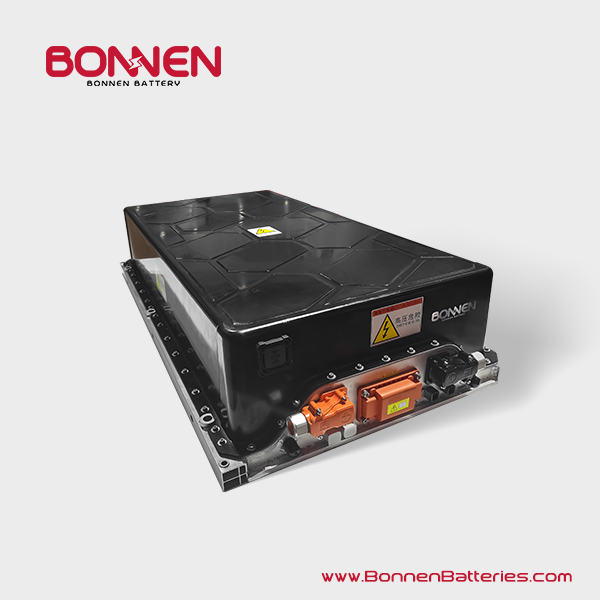
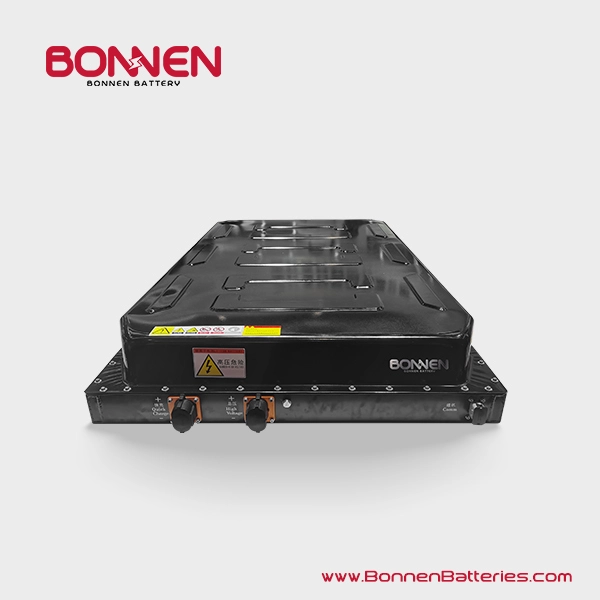
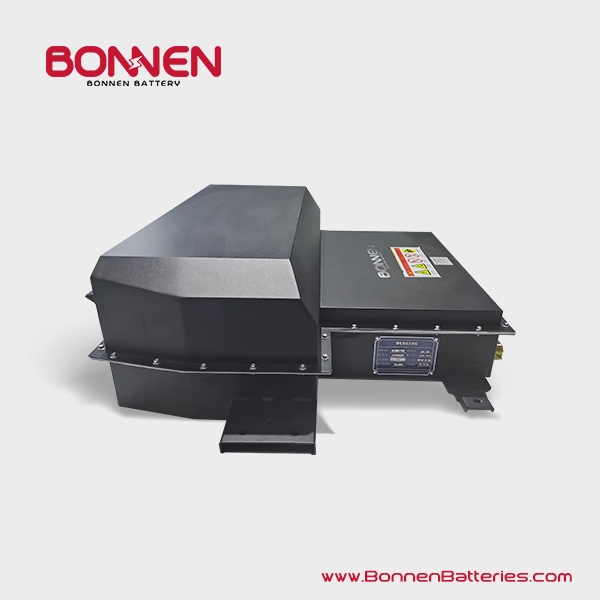
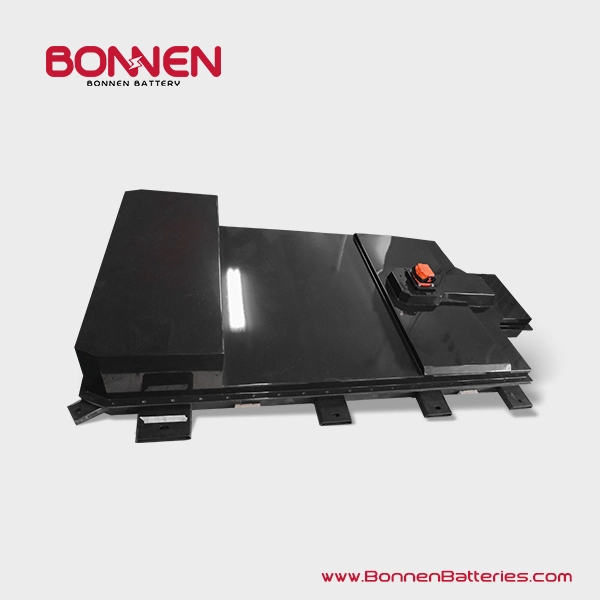
A battery pack is not just a box of cells; it is a complete energy delivery system that decides whether lithium power is safe, efficient, compact, durable, and truly fit for the product it serves. That is why ev battery packs can be heavy and complex, a phone battery can be ultra-thin, and an energy storage battery cabinet can run for years without drama. The difference is not only cell chemistry. The real difference is custom lithium battery pack engineering: mechanical design, electrical architecture, thermal control, BMS strategy, simulation, validation, and manufacturing discipline. In short, a great pack is built by a custom battery pack manufacturer who knows how to balance performance, safety, cost, and real-world use.
Why battery pack design matters more than most people think
A lithium battery pack is often misunderstood as a simple assembly job. It is not. A custom lithium battery pack is a system-level engineering product. It must turn cell-level energy into usable, stable, controlled power for a specific application.
That is why two packs can use similar cells and still perform very differently. A phone battery must be thin, lightweight, and efficient in a tiny space. An EV pack must survive vibration, crashes, fast charging, and thermal stress. A storage pack must run for a long cycle life with low degradation. A toy battery may be cheap, compact, and adequate for short duty cycles, but it is not designed for the same lifespan or abuse resistance.
A useful definition is this: battery pack design is the process of converting raw cell capability into a safe, application-ready energy system. That sentence captures the whole game.
The “city planning” idea: the best way to understand pack development
The easiest way to understand battery pack design is to imagine building a city.
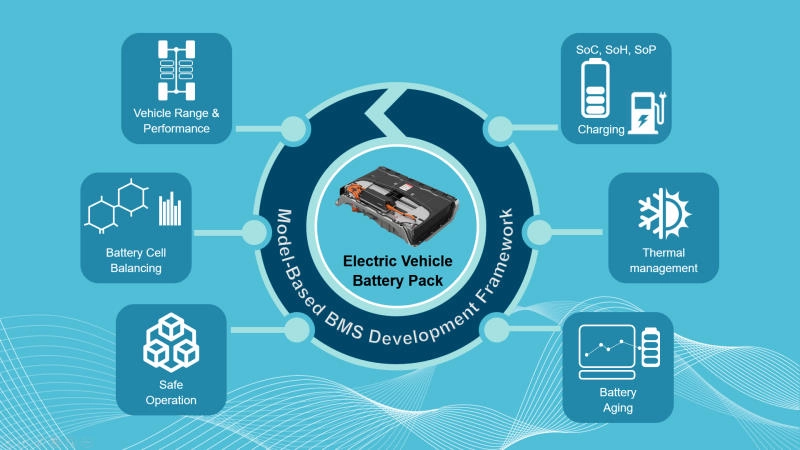
Cells are the energy source. The pack design team is the city planner. Electrical interconnects are the roads. Thermal management is the HVAC and drainage system. The BMS is the city brain. Structural design is the walls, bridges, and disaster defense. Manufacturing ⇱ is the city’s ability to be rebuilt exactly the same way, every time.
If the roads are poorly planned, traffic slows. If cooling is weak, the city overheats. If the safety systems are weak, one failure can spread. If the brain is inaccurate, the whole system becomes unreliable. That is exactly what happens in a battery pack.
Step 1: Start with the real mission, not the datasheet
Every good battery project starts with a deep requirements review. The first job is not choosing cells. The first job is translating the product’s mission into engineering language.

Ask these questions:
| Design question | Why it matters |
| What is the main goal: energy density, low cost, long life, or compact size? | Different goals lead to different cell choices and pack layouts. |
| What voltage and capacity are required? | These define series and parallel structure. |
| What is the peak current and continuous current? | This determines busbar sizing, connector choice, and protection devices. |
| How fast must the battery charge? | Fast charging changes thermal design and BMS strategy. |
| What temperature range will it face? | Cold climates and hot climates need different thermal solutions. |
| Will it vibrate, shock, or move every day? | Mobility applications need stronger structural protection. |
| What safety standard must it meet? | Safety targets affect enclosure, fuse strategy, and validation. |
| What is the target cost? | Cost controls materials, process complexity, and service features. |
–
A useful definition is this: requirements definition is the step where business needs become engineering constraints. Without that step, pack design becomes guesswork.
Step 2: Choose the right cells and the right chemistry
Cell selection ⇱ is the foundation of the pack.
Three choices matter most:
- Chemistry: NMC, LFP, or another chemistry based on energy, safety, or lifespan goals.
- Format: cylindrical, prismatic, or pouch.
- Capacity and consistency: the cell must match the system objective and the production strategy.

Here is the simple rule:
| Application | Common design priority | Typical cell direction |
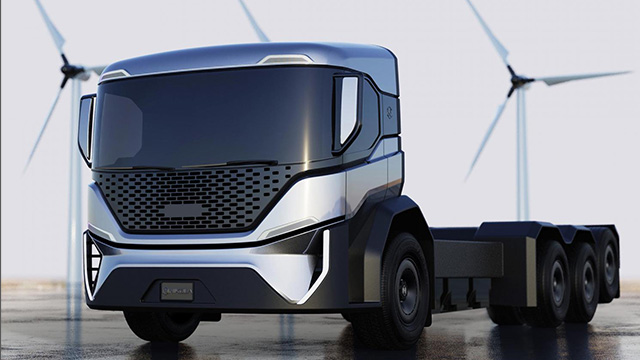
| EV battery packs ⇱ | Power, range, crash safety, thermal stability | Balanced energy and power cells |
| Energy storage ⇱ | Long cycle life, safety, cost efficiency | Long-life, stable chemistry |
| Portable electronics | Thinness, low weight, compact layout | High energy density cells |
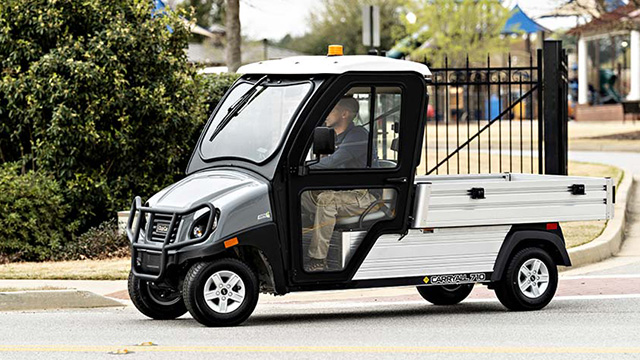
| Industrial equipment ⇱ | Durability, high current, serviceability | Ruggedized cells and enclosure |
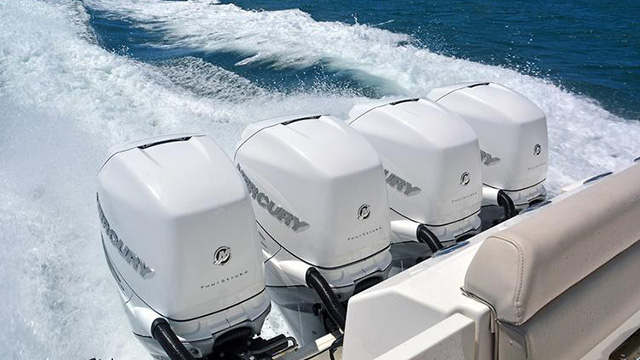
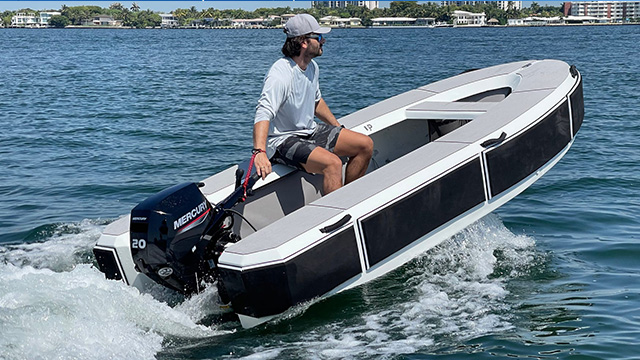
| Marine / off-grid systems ⇱ | Corrosion resistance, safety, reliability | Strong thermal and waterproof design |
–
The cell is important, but the pack makes the cell useful. That is the whole point of a custom lithium battery pack.
Step 3: Build the system architecture
Once the mission is clear, the next move is system architecture.
Three big decisions shape the pack:
1) Series and parallel structure
Series count sets voltage. Parallel count sets capacity and current capability. The wrong topology makes the BMS harder to manage and may create imbalance problems later.
2) Integration strategy
Some products use a traditional cell-to-module-to-pack structure. Others use CTP ⇱, where cells are integrated more directly into the pack. More advanced systems may move toward CTC concepts in some applications. The more integrated the design, the better the space efficiency may be, but the harder the structural, thermal, and service design becomes.
3) Thermal strategy and BMS strategy
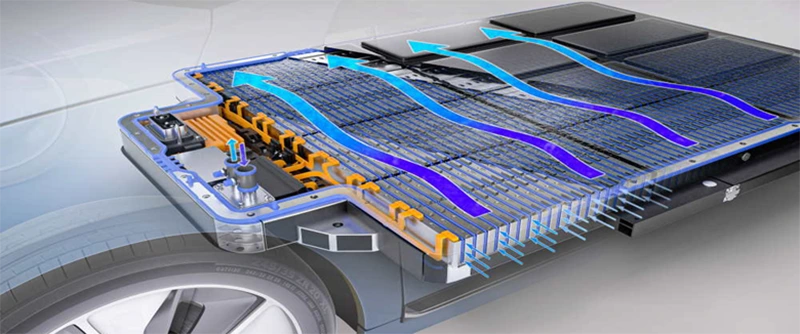
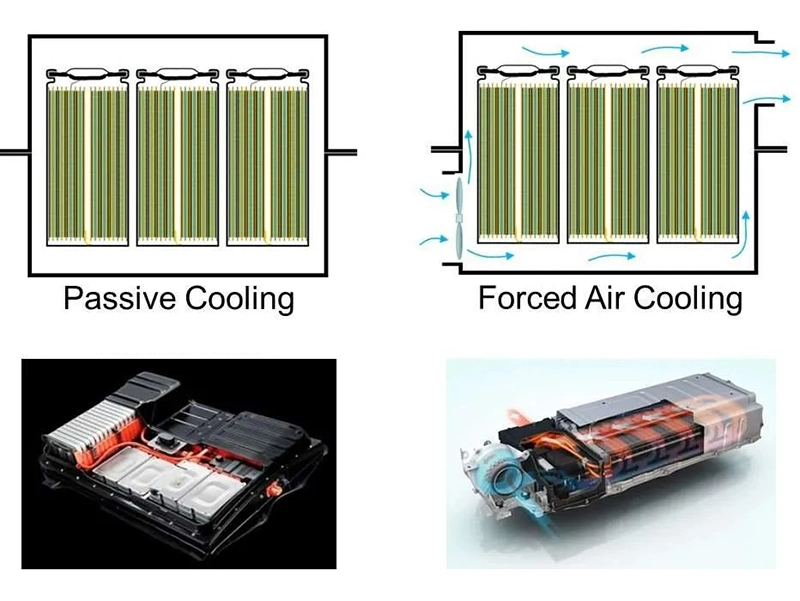
Air cooling, liquid cooling ⇱, or direct cooling each come with trade-offs. Passive balancing, active balancing, and software logic also change cost and performance. A smart design does not chase the newest trend blindly. It chooses the right architecture for the job.
A useful definition is this: battery architecture is the skeleton of the pack, because it defines voltage, capacity, heat flow, and service behavior.

Step 4: Make mechanical, electrical, thermal, and software teams work as one
This is where pack development becomes a true systems engineering job.
Mechanical design
The enclosure ⇱ is not just a container. It is a structural shield, a heat path, a crash barrier, and sometimes a fire-management tool. Material choice matters. Aluminum, steel, and composites each solve different problems. Internal layout matters too, because the pack must make room for wiring, cooling, insulation, sensors, and safe clearances.
Electrical design
Electrical design is about low resistance, stable current flow, and safe interruption under fault conditions. Busbars, connectors, fuses, contactors, and insulation monitoring all need to work together. Good electrical design is often invisible when it works and extremely obvious when it fails.
Thermal design
Thermal design keeps every cell inside a usable temperature window. That means avoiding hot spots, reducing cell-to-cell temperature spread, and heating the pack when it is too cold. A battery does not like being cooked, frozen, or forced to operate unevenly. Thermal management is not a luxury; it is life extension.

BMS design
The BMS is the pack’s brain and nervous system. It estimates SOC, monitors SOH, watches voltage and temperature, and reacts fast when something goes wrong. A good BMS does more than protect. It helps the pack behave predictably over time.
A useful definition is this: BMS design ⇱ is the control layer that makes a lithium battery safe enough to use and smart enough to trust.

Step 5: Use simulation before you build hardware
A mature custom battery pack manufacturer does not rely on first samples alone. It simulates first.
Simulation can test:
- structural deformation under crash or vibration,
- heat distribution during fast charging,
- airflow or coolant behavior,
- fault current response,
- thermal runaway ⇱ propagation paths.(According to NASA research, thermal runaway propagation remains one of the biggest safety challenges in high-energy lithium battery packs.)
This matters because a simulation is far cheaper than a failed prototype. Good simulation does not eliminate testing, but it reduces wasted time and helps the team make better design decisions before metal is cut.
A useful definition is this: simulation is the rehearsal before the real performance. It helps engineering teams find problems before they become expensive.

Step 6: Prototype, test, fail, improve, repeat
After simulation comes the real world.
A prototype must prove itself in several ways:
- performance testing,
- abuse testing ⇱,
- environmental testing,
- vibration testing,
- cycle-life testing,
- safety validation.
This stage is where theory meets reality. Sometimes a design that looks perfect on paper fails under heat. Sometimes a layout that saves space creates service problems. Sometimes a connector choice that works electrically creates a mechanical headache. That is normal. Pack development is an iterative process.
A useful definition is this: prototype testing is the bridge between design intent and real-world trust.

Step 7: Scale the design into production without losing quality
Many products look good as samples but fail in mass production because the design is not manufacturing-friendly.
Production success depends on:
- repeatable assembly,
- consistent welding or fastening,
- stable insulation control,
- traceability for cells and components,
- end-of-line testing,
- quality control at every step.
A pack design must be buildable at scale. A smart design is not just elegant. It is repeatable.
| From lab to mass production | What must stay consistent |
| Cell sorting | Voltage, capacity, internal resistance |
| Welding or connection quality | Low resistance, strong mechanical integrity |
| Thermal assembly | Even heat transfer and safe spacing |
| BMS calibration | Accurate protection and measurement |
| Final testing ⇱ | Voltage, insulation, communication, and fault checks |
| Traceability | Batch records, component history, and test results |
–
A useful definition is this: manufacturing-ready design is the point where engineering can be copied without becoming weaker.
Why EV battery packs look huge while phone batteries look flat
This is one of the most common questions, and the answer is simple.
A phone battery is optimized for thinness, light weight, and short-to-medium runtime. A vehicle battery must deliver much more total energy, support high current, survive vibration and crash loads, and manage heat much more aggressively. The physical shape follows the mission.
So yes, both are lithium batteries. But they are solving different problems.
Phone battery = compact energy storage.
EV battery pack = high-power, high-safety, system-level energy platform.
That difference is exactly why ev battery packs and consumer batteries do not look alike.
Why some storage battery cabinets last 10 years while toy batteries swell quickly
The difference usually comes down to engineering discipline.
A long-life pack typically has:
- conservative current loading,
- stable thermal management ⇱, (Studies published on ScienceDirect show that maintaining uniform battery temperature distribution is critical for extending EV battery pack lifespan.)
- strong cell matching,
- proper SOC control,
- protection against overcharge and overdischarge,
- a chemistry chosen for cycle life.
A short-life or low-cost pack often sacrifices one or more of these factors. Swelling, early capacity fade, and premature failure are usually symptoms of design mismatch, poor quality control, heat stress, or abusive operating conditions.
A useful definition is this: battery longevity is usually a system outcome, not a single-cell feature.
FAQ
1. What is a custom lithium battery pack?
A custom lithium battery pack is a battery system designed for one specific product, voltage, size, current, and environment. It is not a generic battery. It is a fit-for-purpose energy solution.
2. Why do EV battery packs need so much more engineering than phone batteries?
Because EV battery packs must deliver higher energy, higher current, stronger safety, better thermal control, and longer life. A phone battery is small and simple by comparison.
3. What does a custom battery pack manufacturer actually do?
A custom battery pack manufacturer turns application requirements into a battery system by handling cell selection, pack design, BMS integration, thermal design, mechanical structure, validation, and production.
4. What is the first step in lithium battery pack development?
The first step is requirements definition. That means understanding voltage, capacity, current, size limits, charging behavior, environment, safety targets, and cost goals.
5. How do I choose the right cell for a custom lithium battery pack?
Choose the cell based on chemistry, format, energy density, safety needs, cycle life, current capability, and manufacturing fit. The right cell depends on the application, not on popularity.
6. What is the difference between cell selection and pack design?
Cell selection chooses the energy building block. Pack design turns that building block into a safe, usable, mounted, cooled, and controlled system.
7. Why is thermal management so important in lithium battery packs?
Because heat affects performance, safety, aging, and consistency. Good thermal management keeps cells within a stable operating window and reduces uneven degradation.
8. What is BMS design in a custom lithium battery pack?
BMS design is the process of creating the battery’s control and protection system. It monitors voltage, current, temperature, SOC, and faults, then responds when conditions become unsafe.
9. What is the best pack structure: cell-to-module-to-pack or CTP?
There is no universal best choice. Traditional structures may be easier to service, while CTP can improve space efficiency. The right answer depends on the product goals.
10. How do engineers test a battery pack before mass production?
They test capacity, power, charging, thermal behavior, abuse conditions, vibration, temperature cycling, sealing, and life cycle performance. The aim is to find weak points before scaling up.
11. Why do some lithium battery packs fail early even when the cells are good?
Because pack failure is often caused by poor heat management, weak BMS logic, bad interconnects, bad matching, or manufacturing inconsistency. Good cells alone cannot save a weak design.
12. Can a custom lithium battery pack be made smaller without losing performance?
Sometimes yes, but only with careful trade-offs. A smaller pack may need better cells, better cooling, smarter layout, and stricter protection. Size reduction always has engineering consequences.
13. What should I ask before ordering a custom battery pack manufacturer project?
Ask about cell sourcing, design process, simulation, prototype testing, safety strategy, certification support, production traceability, and after-sales support. These questions reveal whether the supplier is truly engineering-driven.
14. How long does battery pack design and validation usually take?
It depends on complexity, certification needs, and product maturity. A simple pack may move faster, while EV battery packs or industrial systems often need a longer design-test-revision cycle.
15. What makes a lithium battery pack suitable for harsh environments?
Rugged structure, good sealing, stable thermal design, reliable BMS protection, strong vibration resistance, and components chosen for the real operating environment.
16. Is a higher-capacity pack always better?
No. Bigger is not automatically better. The best pack is the one that matches the product’s real power, space, weight, cost, and safety requirements.
17. How do I know whether I need a standard battery or a custom lithium battery pack?
If your product has unusual voltage, size, runtime, current, safety, or mounting needs, a custom lithium battery pack is usually the better path.
18. Why should I work with Bonnen Battery for a custom lithium battery project?
Because Bonnen Battery focuses on application-specific battery solutions, including EV battery packs and other lithium battery systems, with a custom-engineering approach built around real project requirements.
The real takeaway
A lithium battery pack is only as good as the engineering system behind it. The best packs are not just assembled; they are designed, simulated, tested, refined, and then manufactured with discipline. That is why the gap between a phone battery, a toy battery, a storage cabinet, and ev battery packs is so large even when lithium chemistry is shared.
In the end, battery pack design is about one thing: delivering the right energy, in the right shape, at the right time, with the right level of safety.
If your project needs a custom lithium battery pack, or you are looking for a reliable custom battery pack manufacturer for EV, marine, industrial, or storage applications, contact Bonnen Battery. Our team can help translate your technical requirements into a practical battery solution that fits your product, your schedule, and your budget.
Contact Bonnen Battery↓ now and let us help you power your adventures with the best lithium battery technologies.
© [Bonnen Battery] and [www.bonnenbatteries.com]. Unauthorized use and/or duplication of this material without express and written permission from this site’s author and/or owner is strictly prohibited. Excerpts and links may be used, provided that full and clear credit is given to [Bonnen Battery] and [www.bonnenbatteries.com] with appropriate and specific direction to the original content.
EVs Lithium Batteries from Bonnen Battery
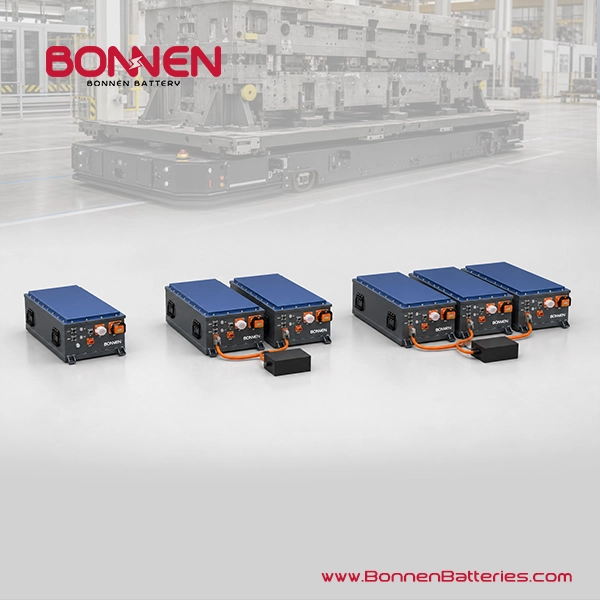
600V 614V 500Ah LiFePO4 Battery System: The Essential Heavy Equipment Lithium Battery for Construction, Agricultural, Mining, and Traction Applications

High Voltage 400V 420Ah LiFePO4 Battery System: Heavy Equipment Lithium Battery for Construction, Agricultural, Mining, and Traction Battery Packs

Lithium Electric Car Battery, 72V Lithium Battery For Low-Speed Vehicles, Sightseeing Cars, Tourist Vehicles, High Performance Battery System For EV

EV Lithium Ion Battery, 72V 150AH High Performance Lithium Ion Battery For Electric Golf Carts, Neighborhood Electric Vehicles (Nevs), Electirc-Tricycles, Low-Speed Vehicles, UTVs
Application Category
Get In Touch Bonnen Battery
Xiangfeng Science Industrial Park, Changsha City, Hunan Province, China
Email: [email protected]