
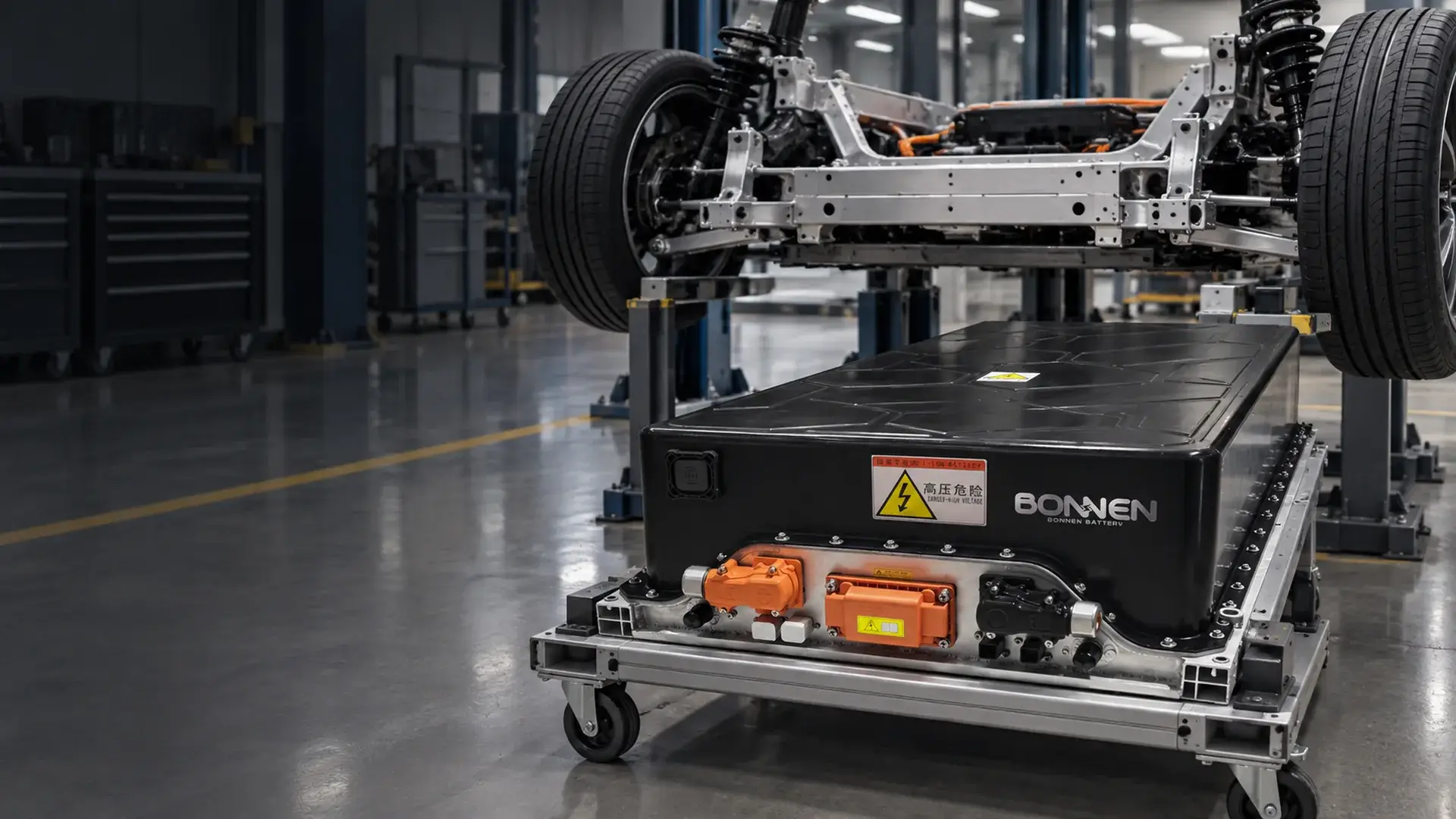
EV TRACTION BATTERY ENGINEERING
Lithium Battery Systems for Electric Vehicles
Custom LFP and NMC battery systems for electric cars, commercial vehicles, EV conversions, utility vehicles, tuk-tuks and specialty electric vehicles — from low-voltage platforms to high-voltage traction systems.
VEHICLE-FIRST ENGINEERING
EV Battery Platforms Built Around Your Vehicle
Battery selection starts with vehicle voltage, motor and controller, installation space, peak current, range target, charging architecture and communication requirements. Bonnen can begin with an existing platform and adapt the final system around the vehicle instead of forcing every project into one fixed enclosure.
EXISTING EV PLATFORMS
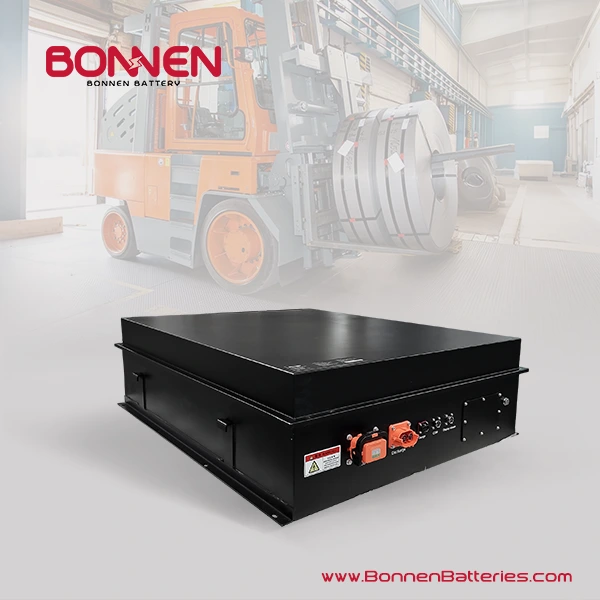
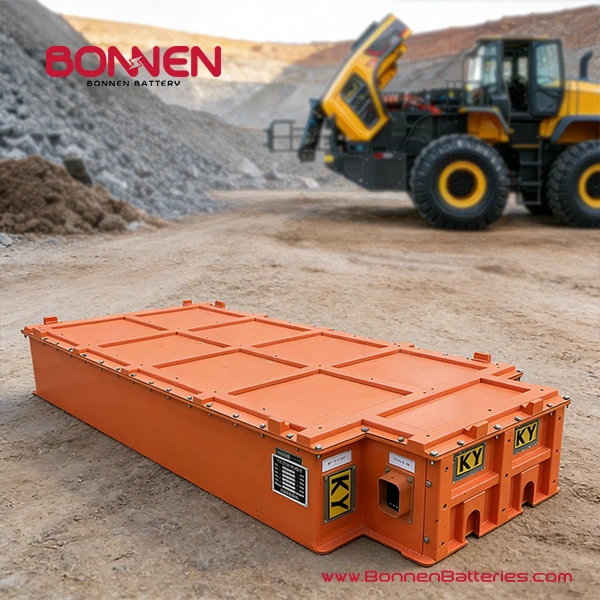
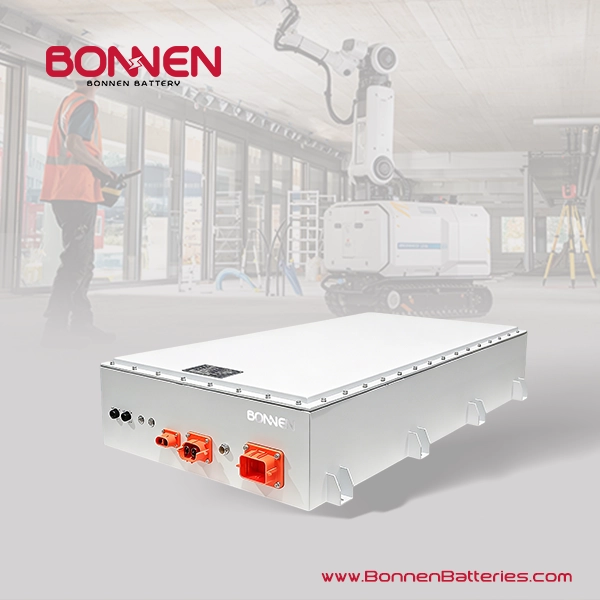
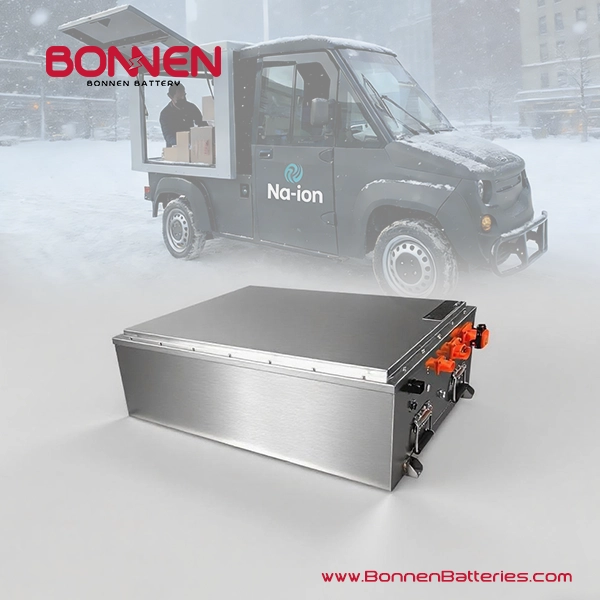
Explore Our Electric Vehicle Battery Systems
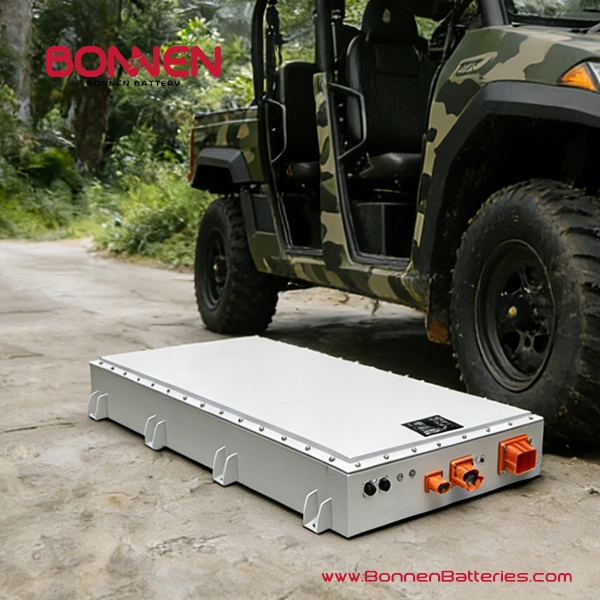
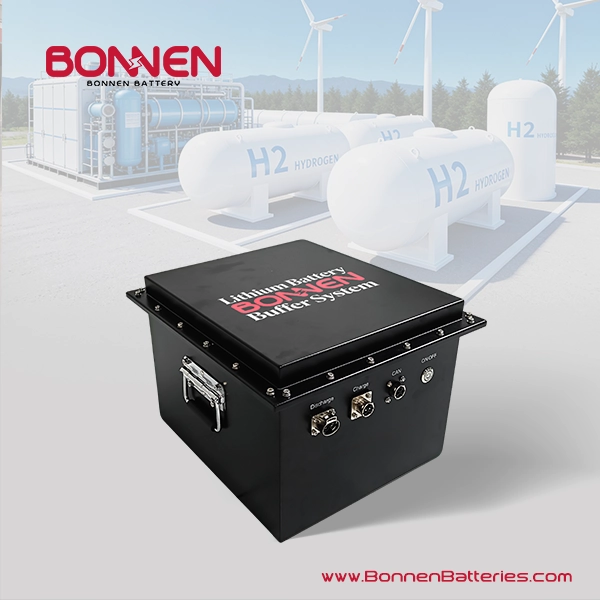
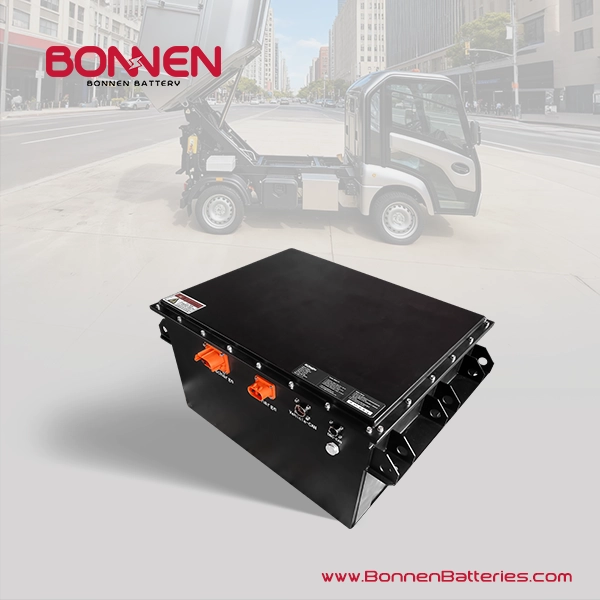
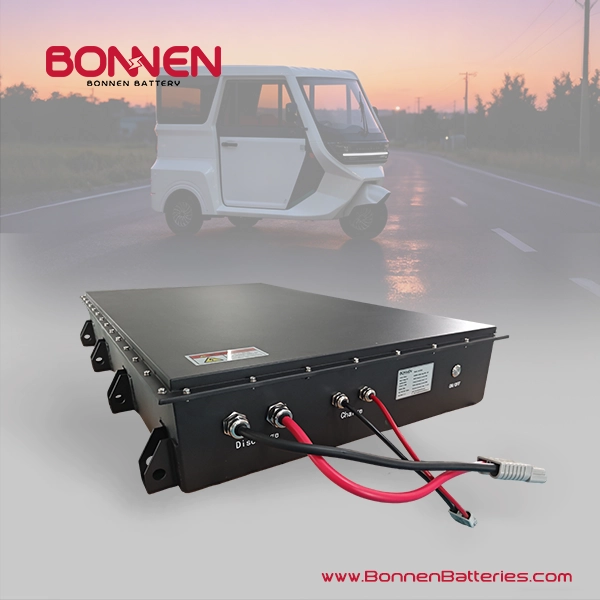
Browse our existing EV battery platforms below. Voltage, capacity, enclosure, BMS, communication and interfaces can be adapted to the final vehicle requirements.
Don’t see an exact match? Send us your motor/controller specifications and available battery space.
Share your current specifications →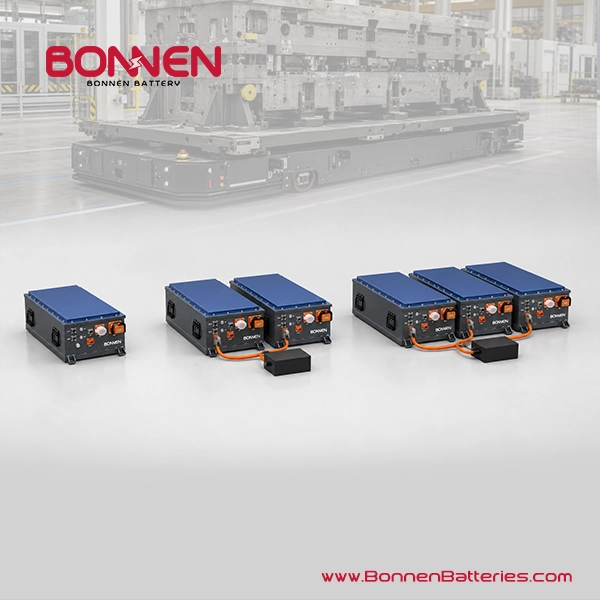

APPLICATION FIT
EV Battery Systems for Different Vehicle Platforms
Vehicle layout, duty cycle, voltage, current demand and production programme all influence the final battery architecture.
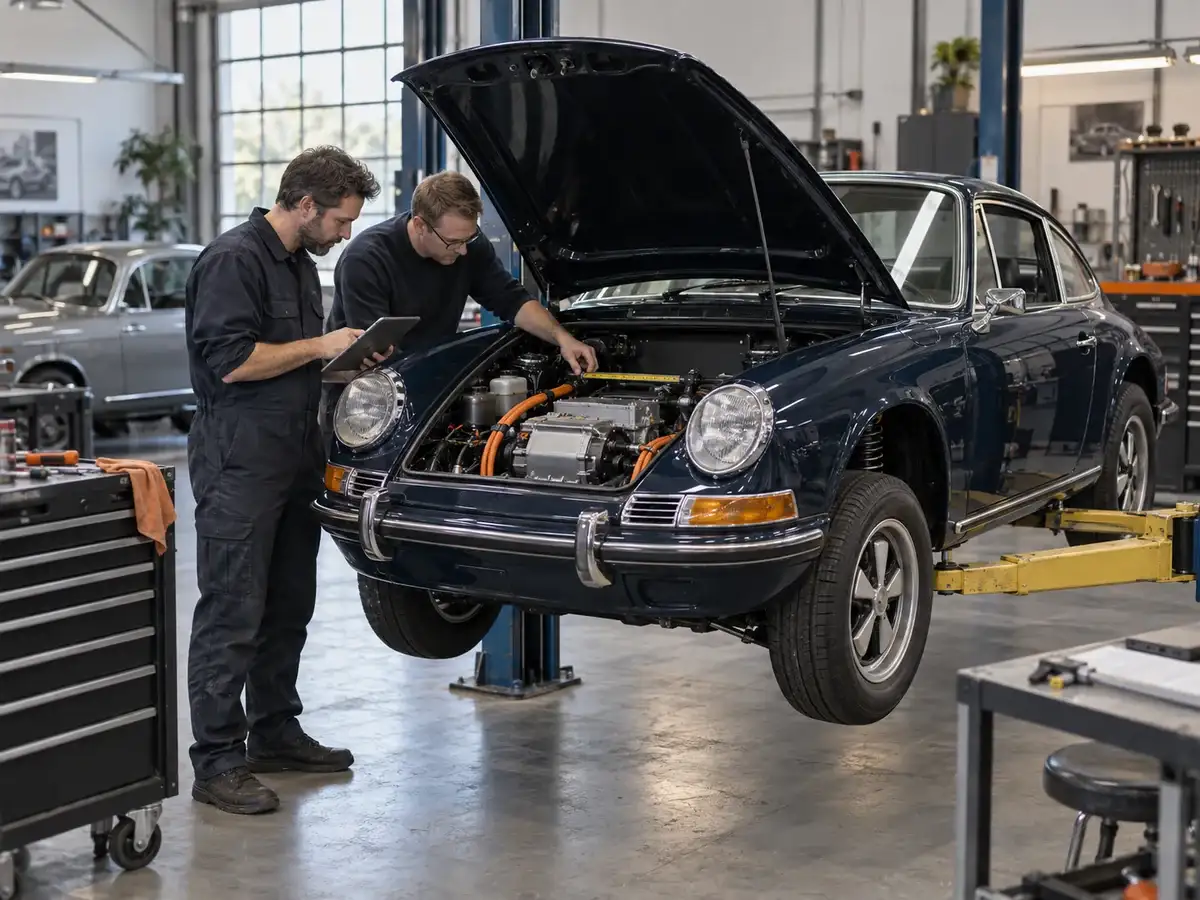
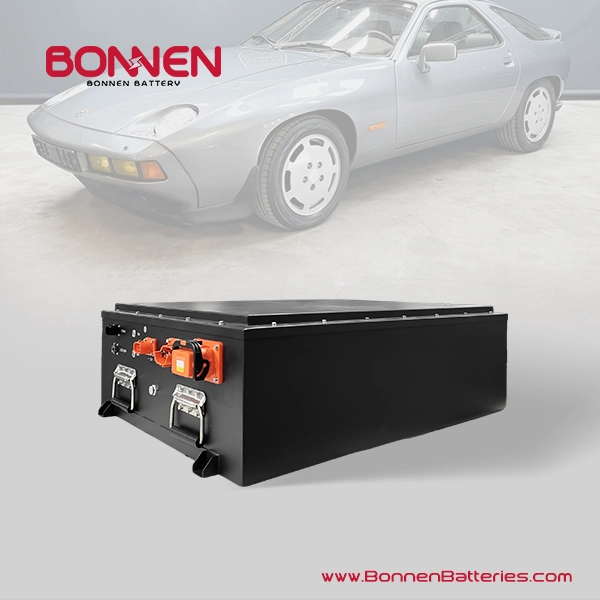
Passenger & Classic Car Conversion
Custom traction battery systems for EV conversions and low-volume vehicle programmes.
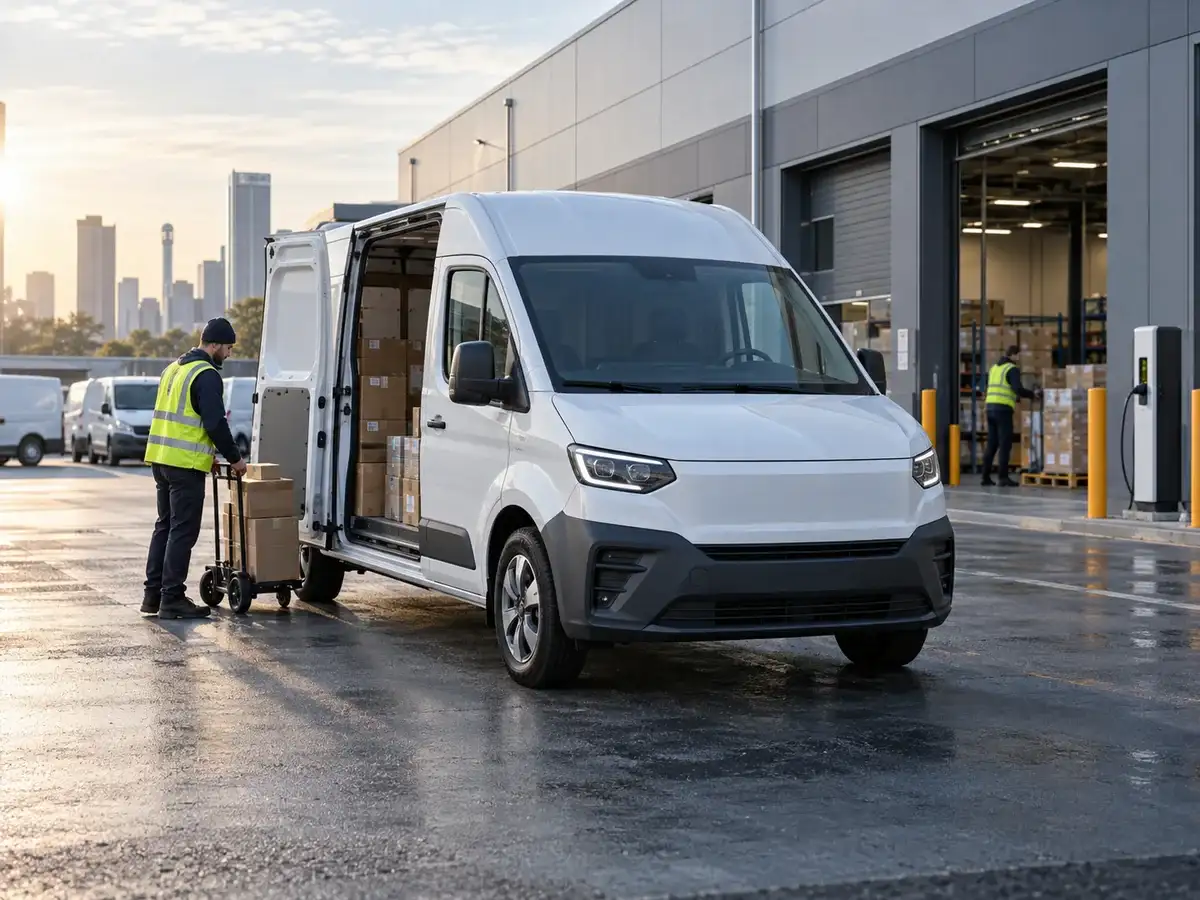
Light Commercial EVs
Battery platforms for vans, delivery vehicles, utility vehicles and municipal fleets.
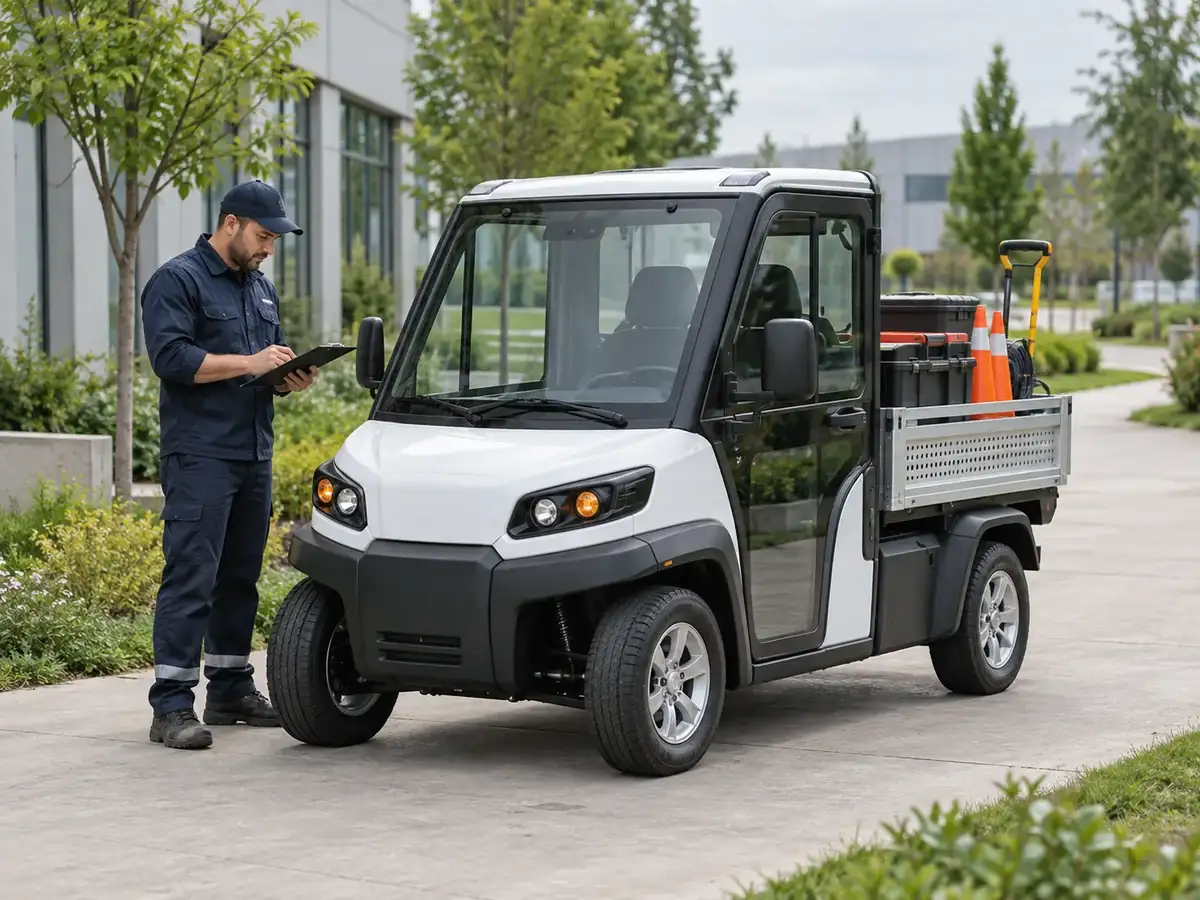
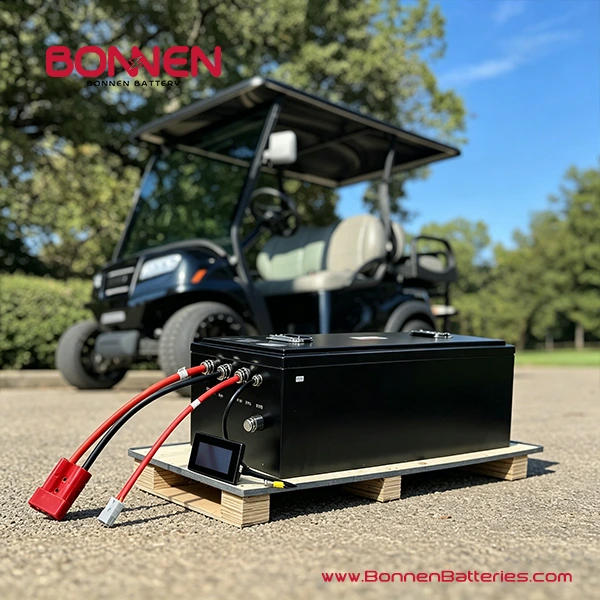
Low-Speed & Utility Vehicles
Solutions for LSVs, patrol vehicles, sightseeing vehicles and utility EVs.
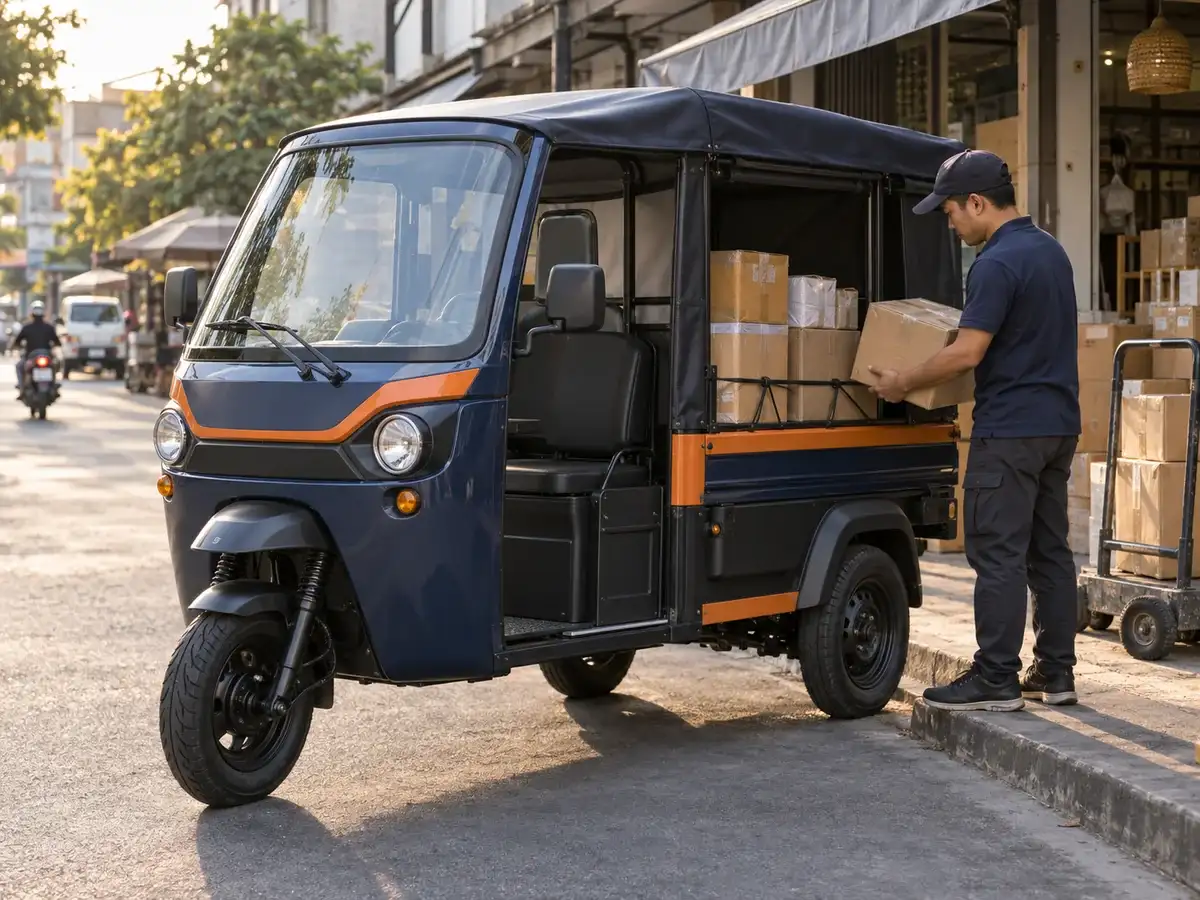
Tuk-Tuks & Three-Wheelers
72V and 96V platforms for passenger, cargo and commercial three-wheel vehicles.
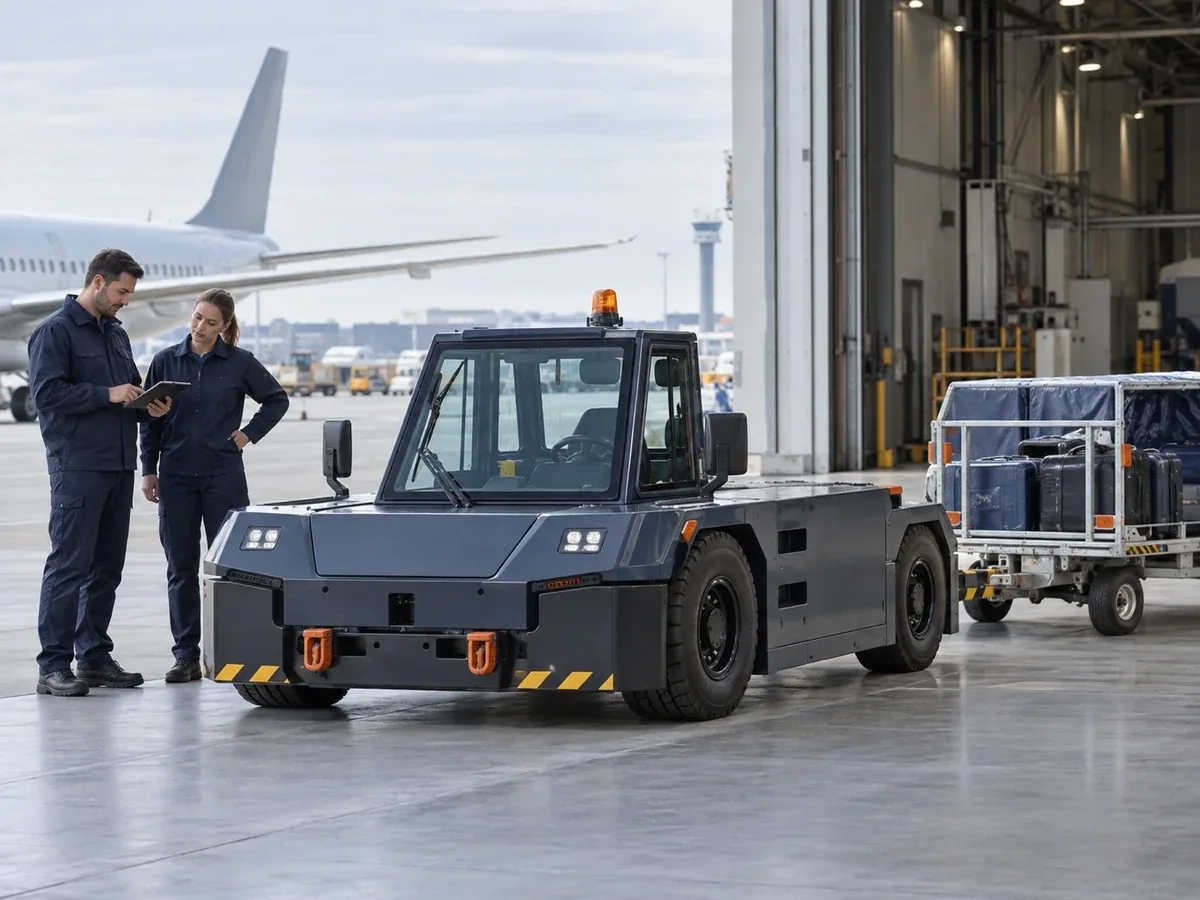
Specialty Electric Vehicles
Custom battery architectures for unconventional vehicle layouts and OEM projects.
VOLTAGE ARCHITECTURE
EV Battery Systems Across Multiple Voltage Platforms
These ranges show typical project directions. Final system voltage must be confirmed against the motor, controller, charger, current demand and complete vehicle architecture.
Typical, not fixed: vehicle type and voltage range do not have a one-to-one relationship. Every project requires system-level confirmation.
PROJECT PATH
Start With an Existing Platform — or Build Around Your Vehicle
Existing Battery Platform
A practical starting point when the vehicle can work within an established electrical and mechanical envelope.
- Compatible voltage range
- Flexible installation envelope
- Current demand within an existing platform
- Shorter development path
Custom EV Battery
Use a vehicle-specific architecture when packaging, interfaces or electrical demand fall outside an existing platform.
- Fixed or irregular installation space
- Special enclosure geometry or mounting
- Specific CAN protocol and vehicle interfaces
- High continuous or peak current
- Custom HV distribution or thermal management
PROJECT BRIEF
What We Need to Size Your EV Battery
Don’t have all of this information yet? That’s fine. Send the specifications you currently have, and our engineering team can help identify the remaining battery requirements.
Send Available Project Data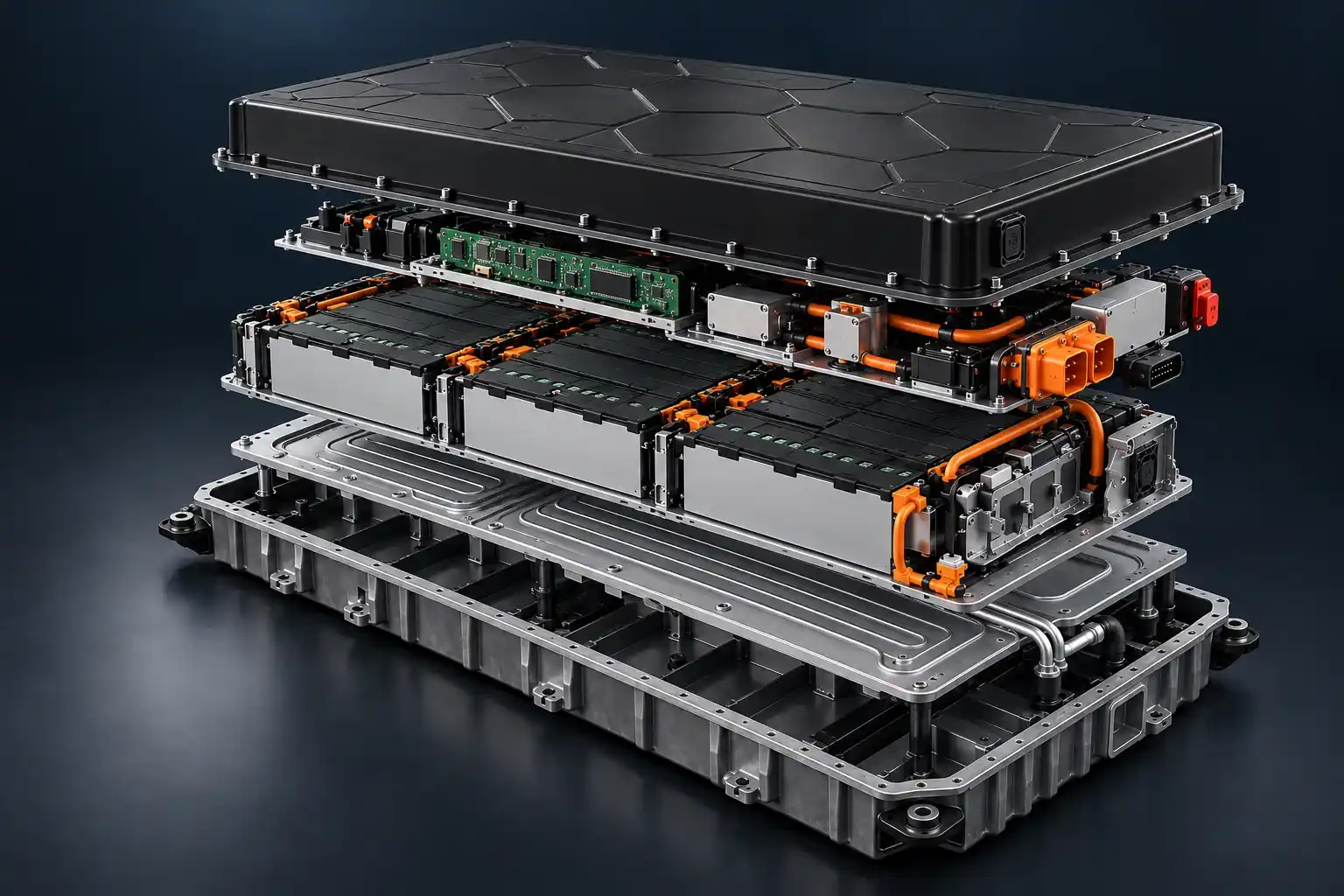
COMPLETE SYSTEM ARCHITECTURE
More Than Cells and an Enclosure
A vehicle battery is a complete electrical and mechanical system. Bonnen engineers the cell configuration, BMS, HV protection, communication, enclosure, thermal management and vehicle interfaces as one integrated battery architecture.
VERIFIED PROJECT DIRECTIONS
EV Engineering Examples
Three examples supplied for this page show how vehicle constraints translate into different battery architectures.
96V Classic Car Conversion
- Initial constraint
- Limited installation space and compatibility with the existing conversion drivetrain.
- Engineering response
- Custom 96V traction battery platform with vehicle-specific enclosure and BMS configuration.
332.8V Light Commercial EV
- Initial constraint
- Higher-energy traction system within a defined commercial vehicle chassis envelope.
- Engineering response
- 332.8V battery architecture developed around vehicle power, current and installation requirements.
72V Electric Tuk-Tuk
- Initial constraint
- Daily commercial operation requiring reliable cycle life and practical vehicle integration.
- Engineering response
- 72V LFP battery system optimized for three-wheel vehicle packaging and operating profile.
DEVELOPMENT PROCESS
From Vehicle Data to Production Battery
Each stage resolves electrical, mechanical and integration questions before the programme advances.
Requirements
Vehicle, motor, controller and battery space.
Battery Architecture
Voltage, capacity, cells and BMS.
Mechanical Engineering
Enclosure, mounting and interfaces.
Prototype & Validation
Electrical, communication and environmental checks.
Production
Pilot batch to planned production.
MANUFACTURING & VALIDATION
Engineered for Vehicle Integration and Production
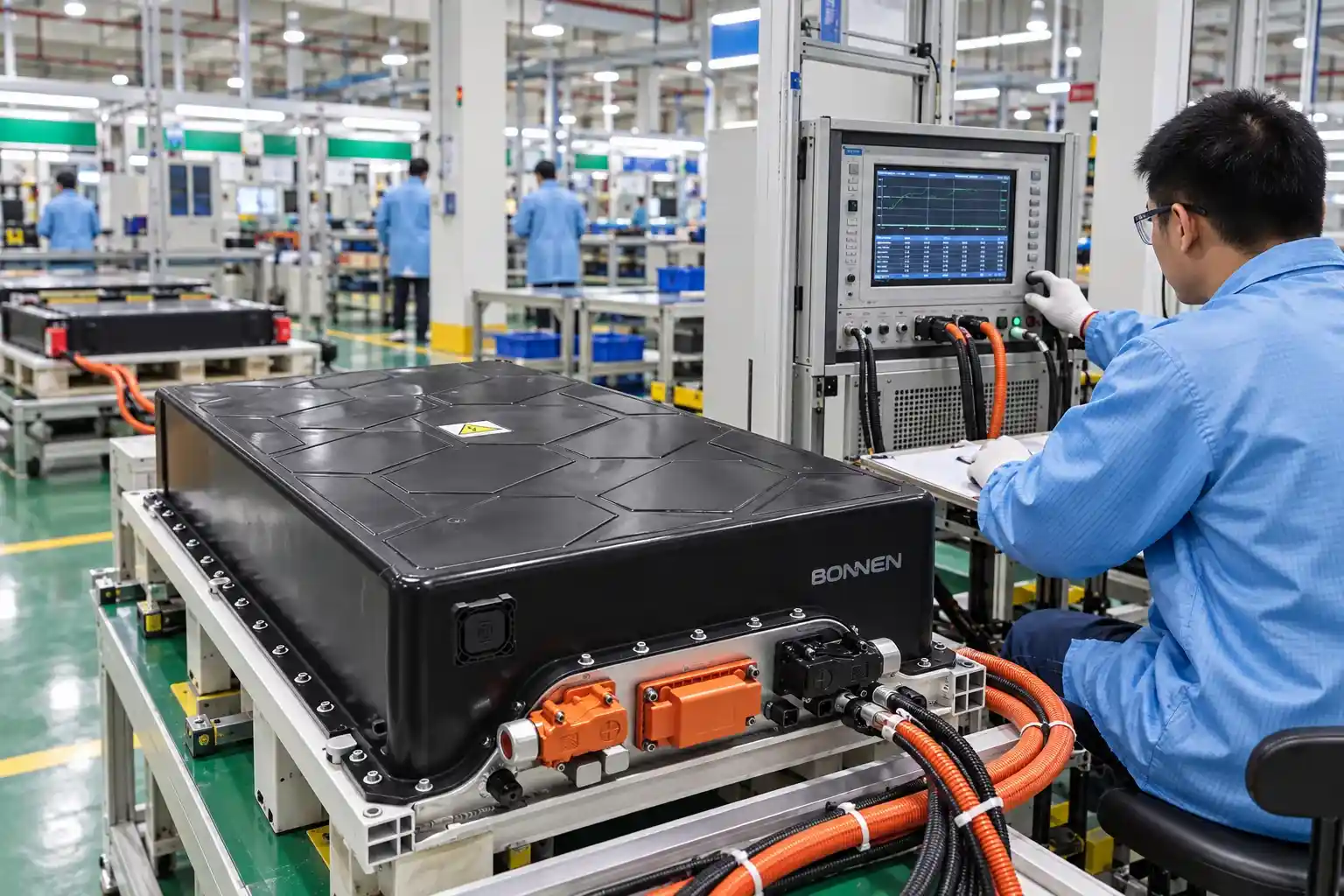
Production planning connects pack assembly, control-system integration and defined end-of-line checks to the agreed vehicle and programme requirements.
FAQs About Lithium Battery Systems for Electric Vehicles
Practical answers to common questions about EV battery selection, system integration, customization, BMS communication and project development.
START YOUR PROJECT
Have an EV Project? Start With the Vehicle Requirements.
Send us your motor/controller specifications, target voltage, required range or battery energy, and available installation space. Our engineers can evaluate an existing platform or develop a custom EV battery system for your vehicle.