
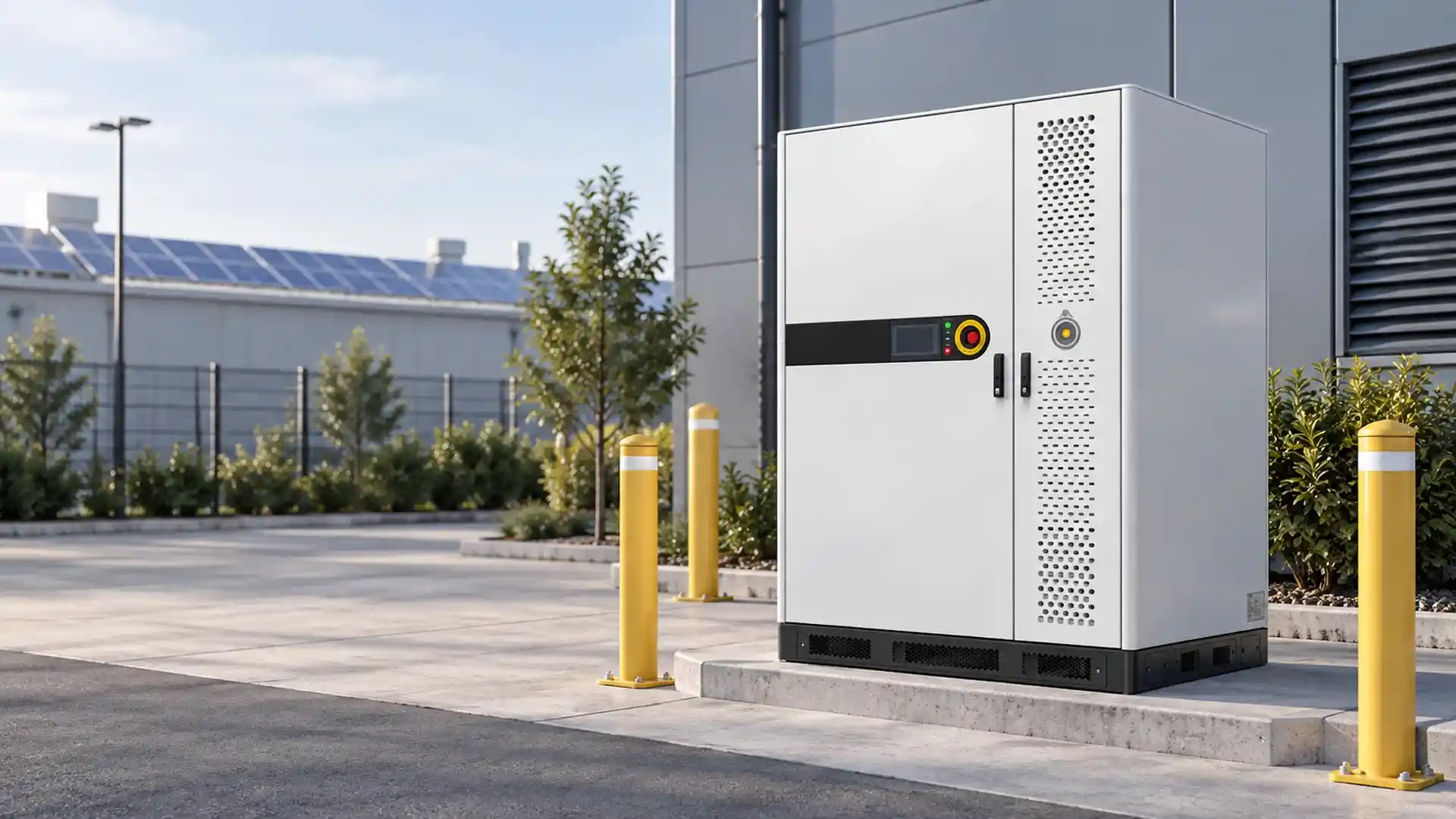
COMMERCIAL & INDUSTRIAL ENERGY STORAGE
Commercial & Industrial Energy Storage Systems
Configurable battery energy storage platforms for peak shaving, backup power, renewable integration, load management and industrial energy projects.
Bonnen Battery supports projects from battery and cabinet configuration through BMS, thermal management, PCS coordination and EMS communication.
Quick Capability
Scalable C&I Capacity
Configured around project energy and power requirements.
High-Voltage Architectures
Designed for compatible PCS and site-level integration.
Air or Liquid Cooling
Thermal management selected for the system and environment.
LFP & Sodium-Ion Options
Chemistry evaluated according to project priorities.
SYSTEM FAMILIES
Choose the Right Energy Storage Architecture
C&I storage is not selected by kWh alone. Power, PCS topology, installation environment, thermal management, communication and future expansion all shape the appropriate system.
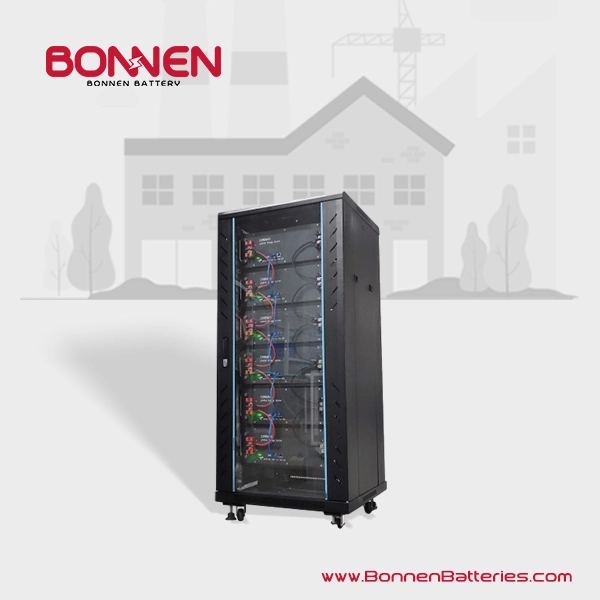
Battery Cabinet Systems
Modular battery cabinets for distributed commercial storage, system expansion and project-specific integration.
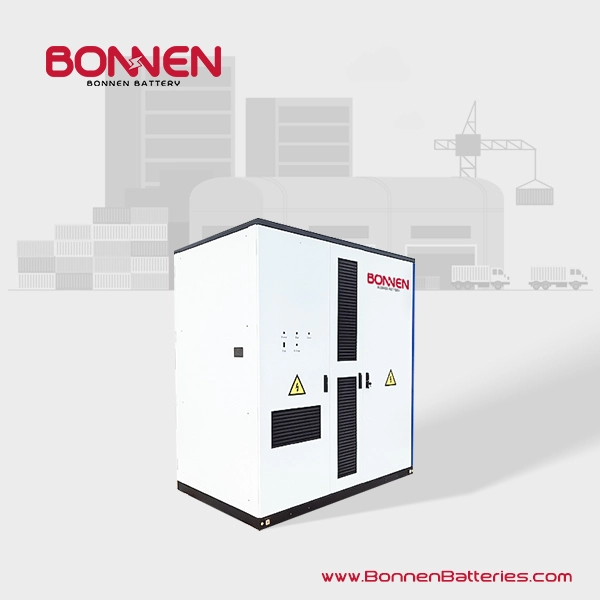
All-in-One ESS
Integrated battery, BMS, thermal management and power-conversion architecture for streamlined deployment.
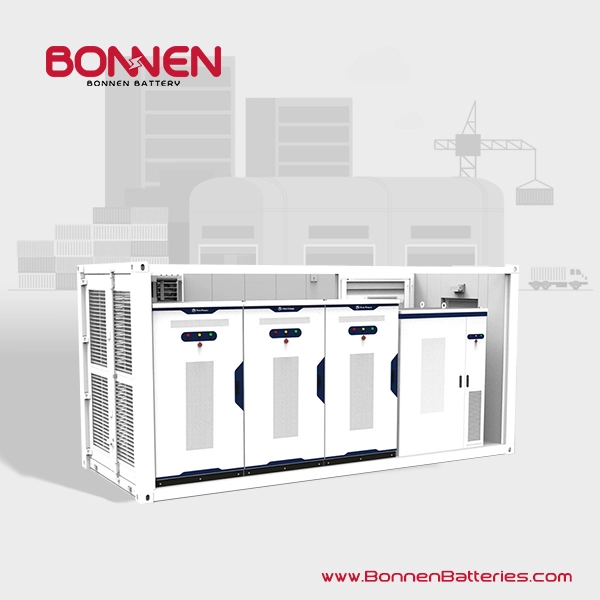
Liquid-Cooled BESS
High-capacity outdoor systems designed for tighter thermal control and demanding C&I operating conditions.
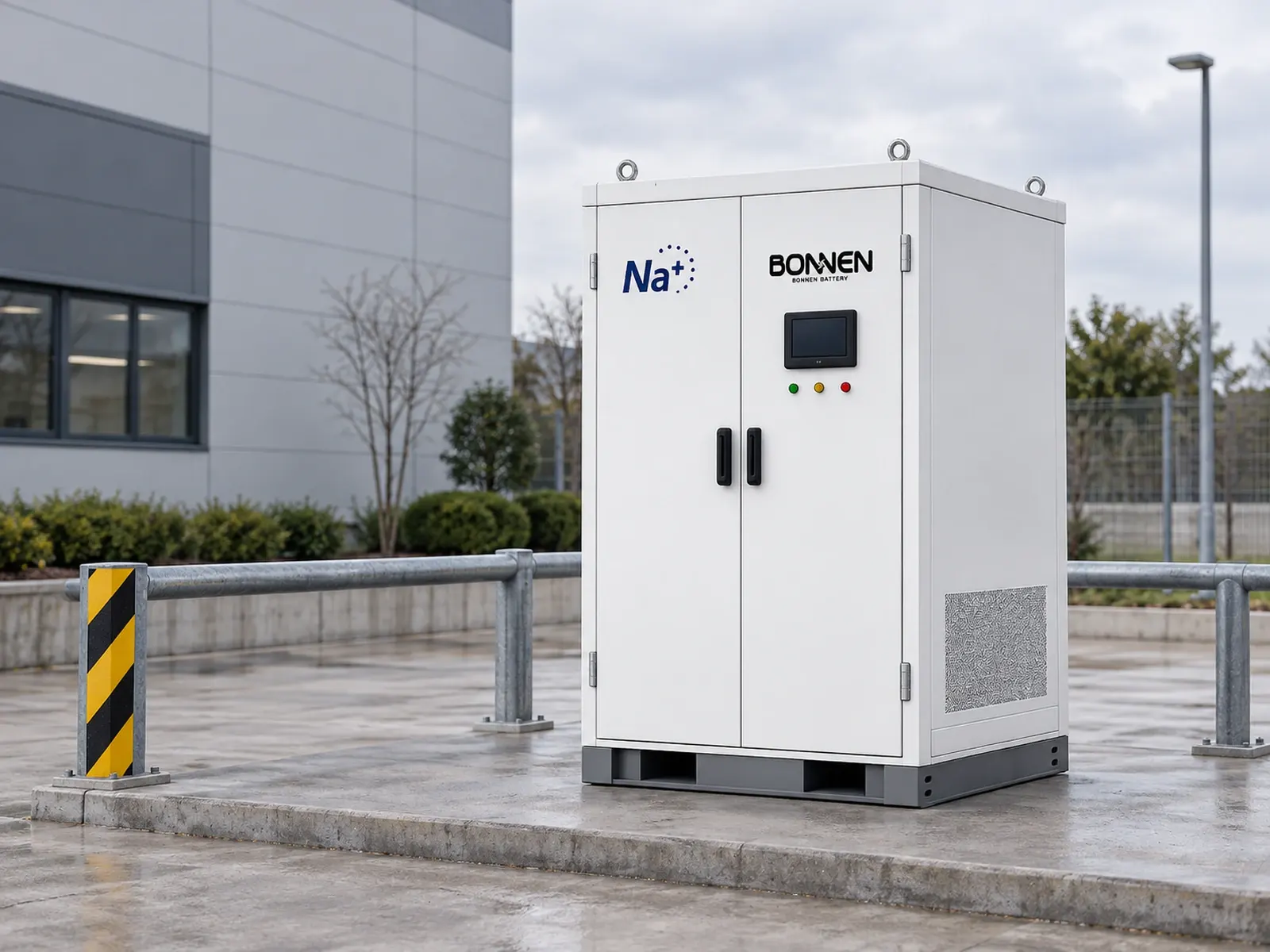
Sodium-Ion Energy Storage
An alternative stationary-storage chemistry for selected projects where operating conditions and project priorities support its use.
OPERATING SCENARIOS
Built for Commercial and Industrial Energy Projects
Storage architecture should follow the site's load profile, resilience needs, renewable resources and electrical interface.
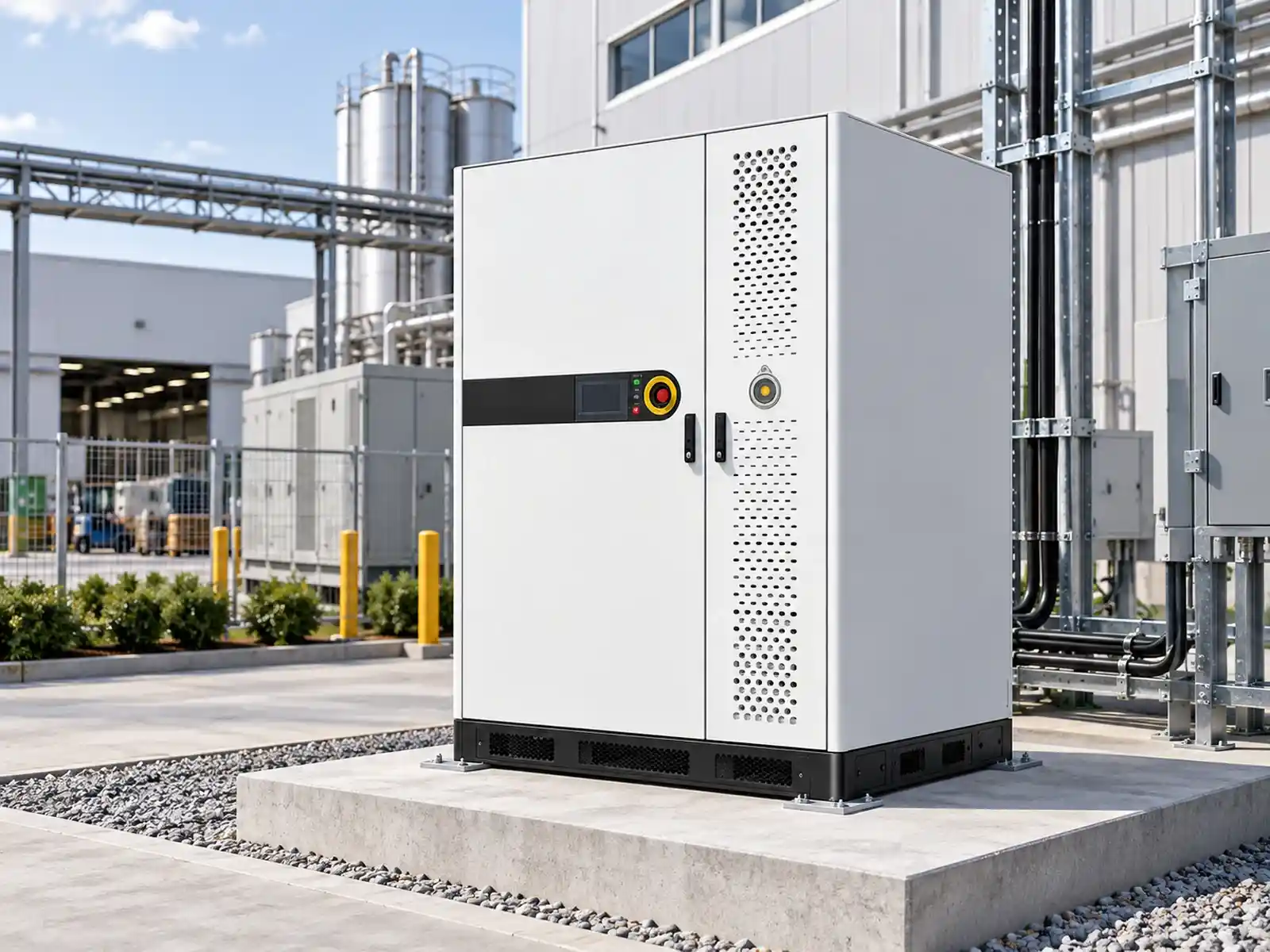
Manufacturing Facilities
Coordinate storage with production loads, demand peaks and operational resilience planning.
Application visualization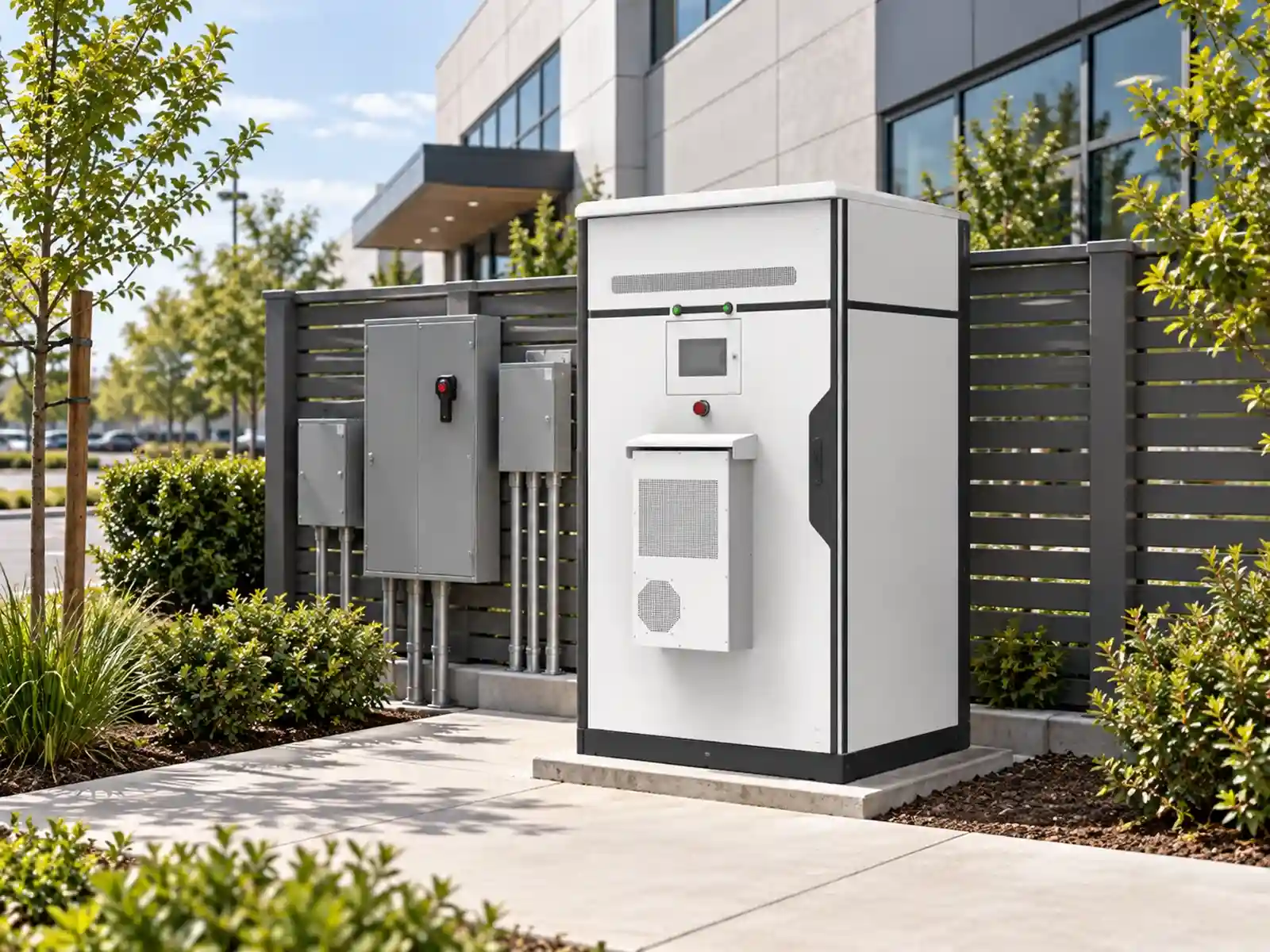
Commercial Buildings
Support load management, distributed energy strategies and site backup planning.
Application visualization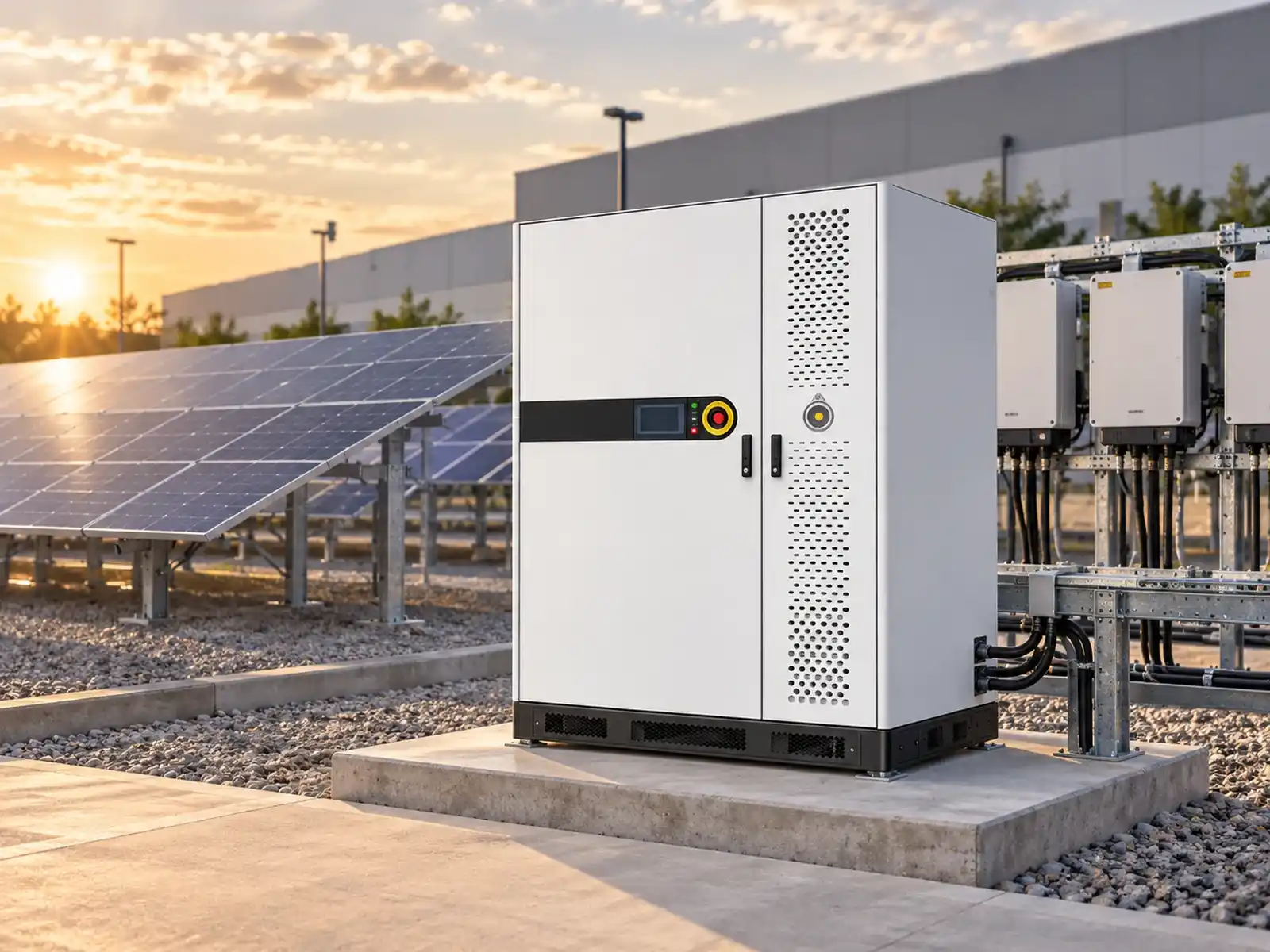
Solar + Storage
Align battery operation with photovoltaic generation, site demand and the selected PCS strategy.
Application visualization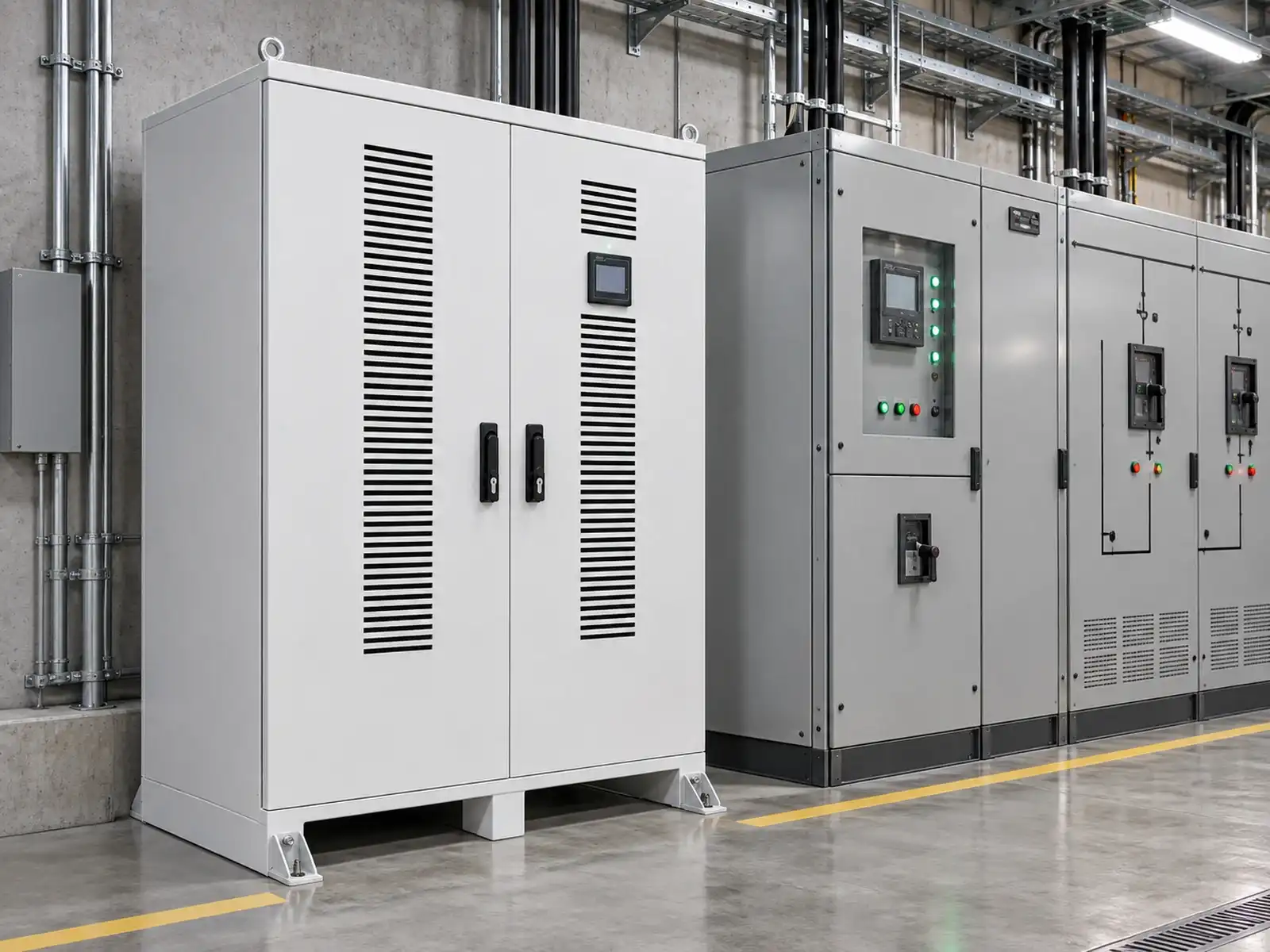
Peak Shaving & Load Shifting
Schedule charging and discharging around site demand and applicable tariff structures.
Application visualization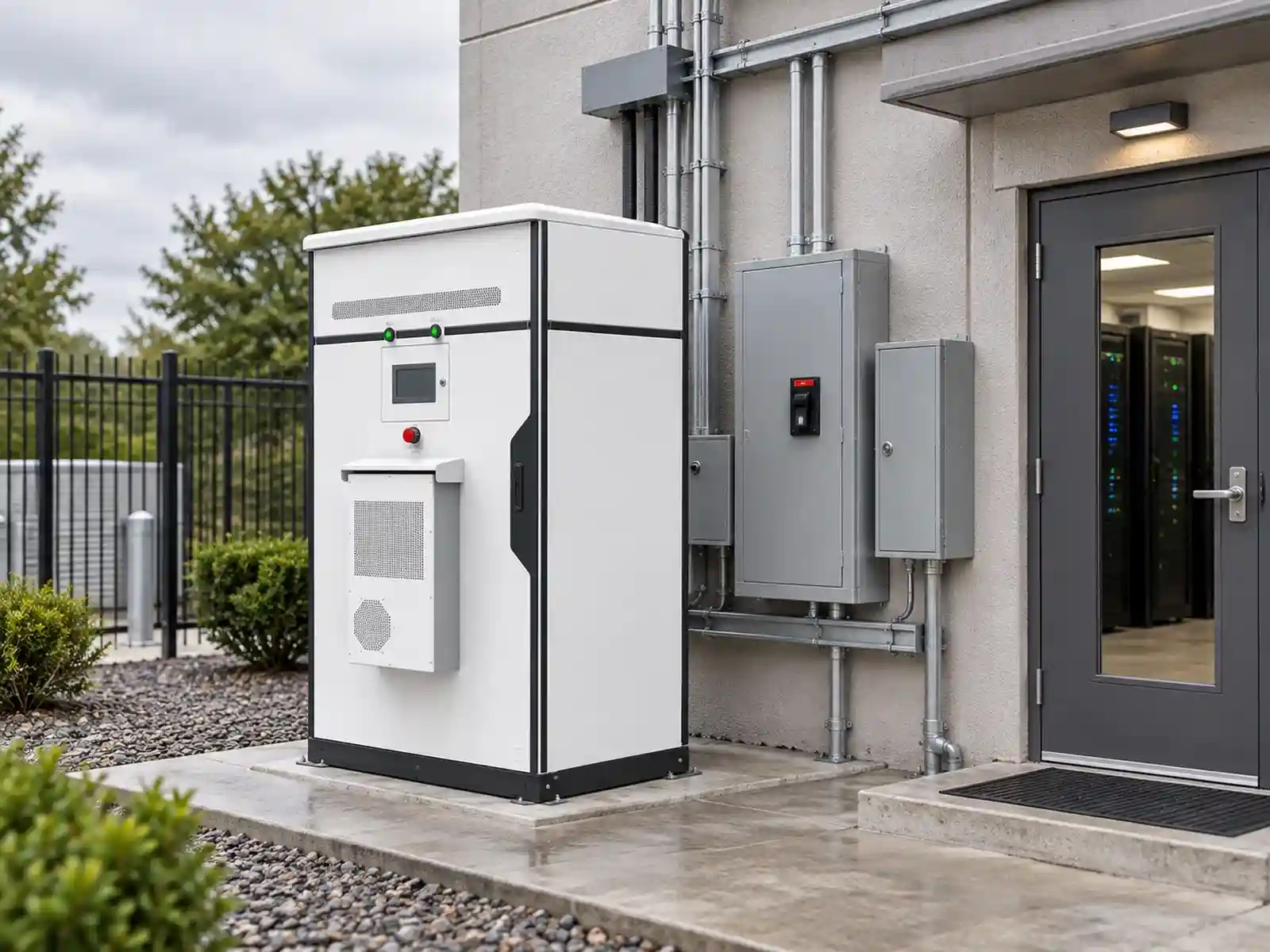
Backup Power
Define critical loads, required duration and transfer strategy before selecting system capacity.
Application visualization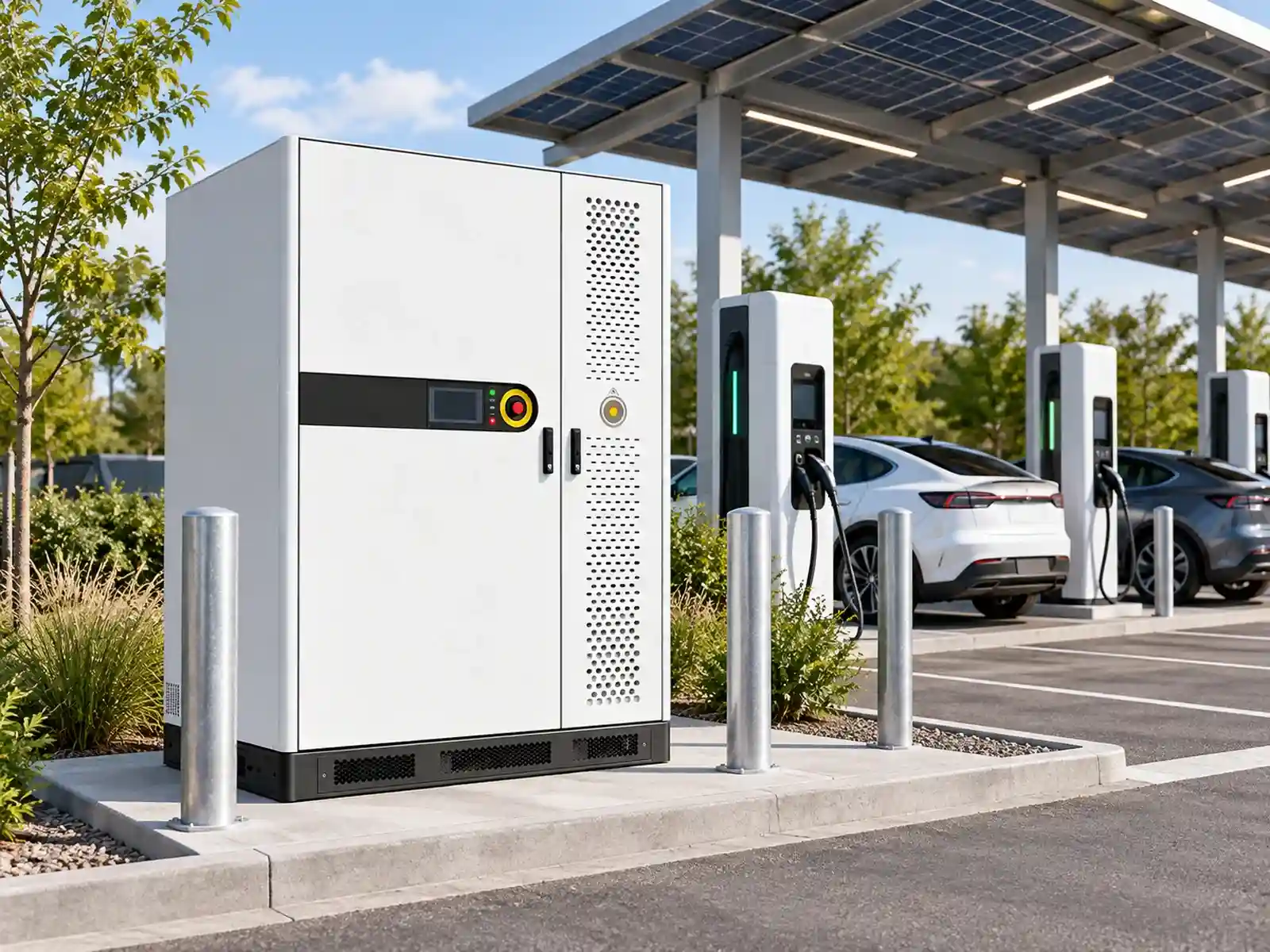
Microgrids & Charging Infrastructure
Coordinate storage with generation, charging loads and site-level controls.
Application visualizationAVAILABLE PLATFORMS
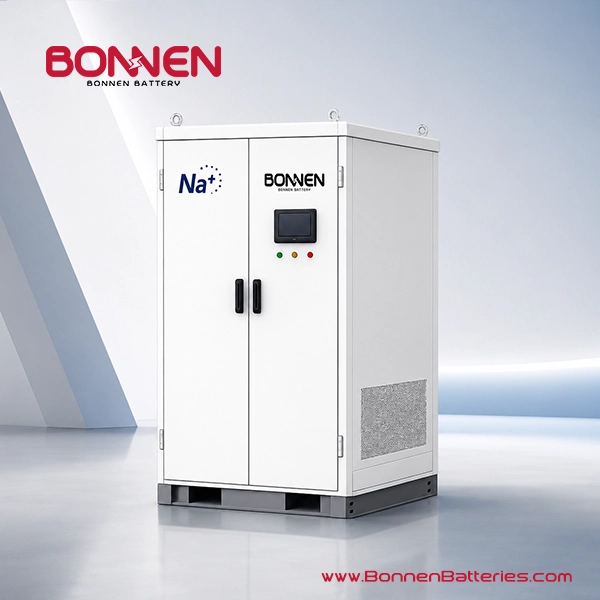
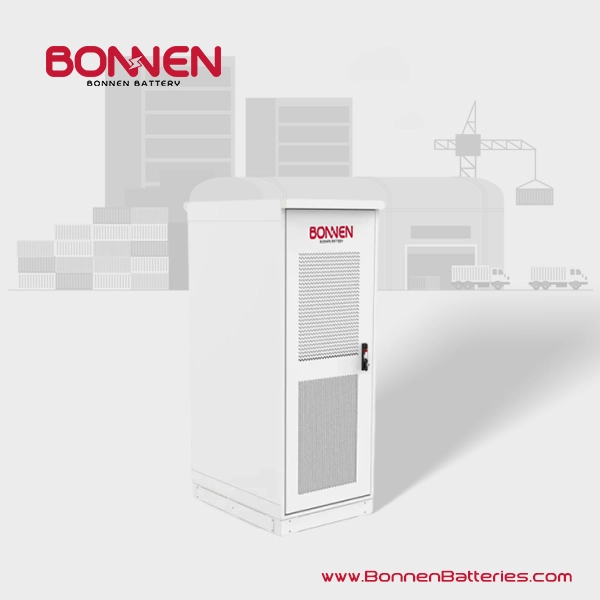
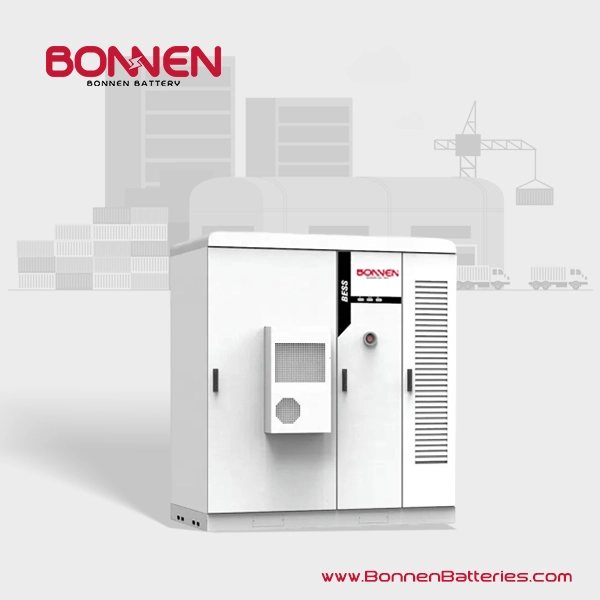
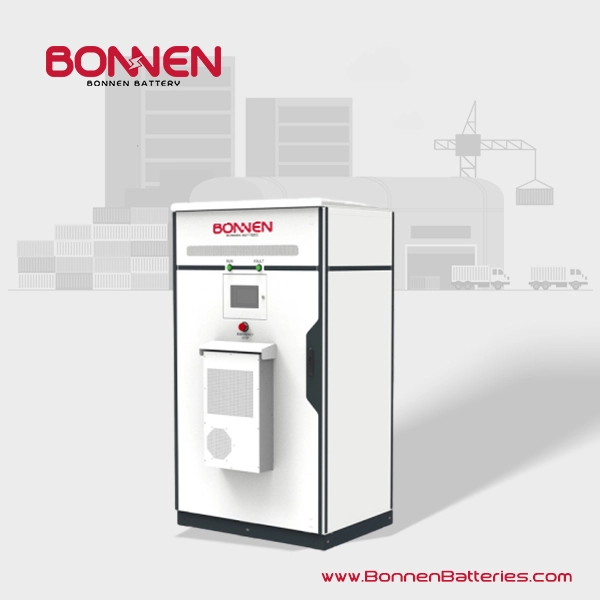
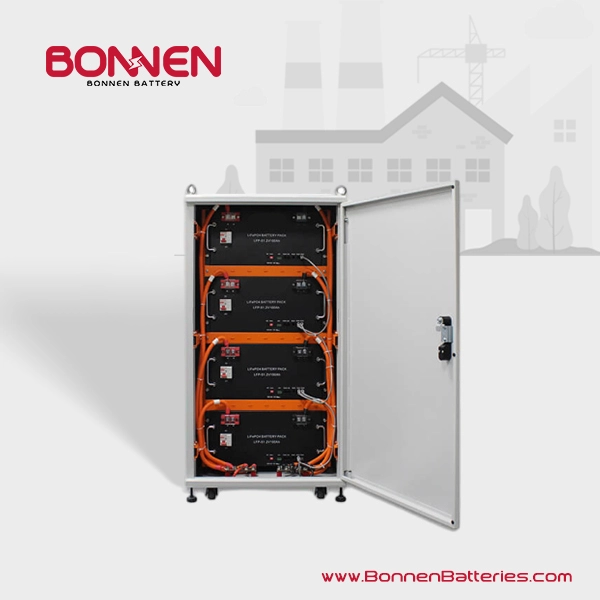
Explore Our Commercial & Industrial Energy Storage Systems
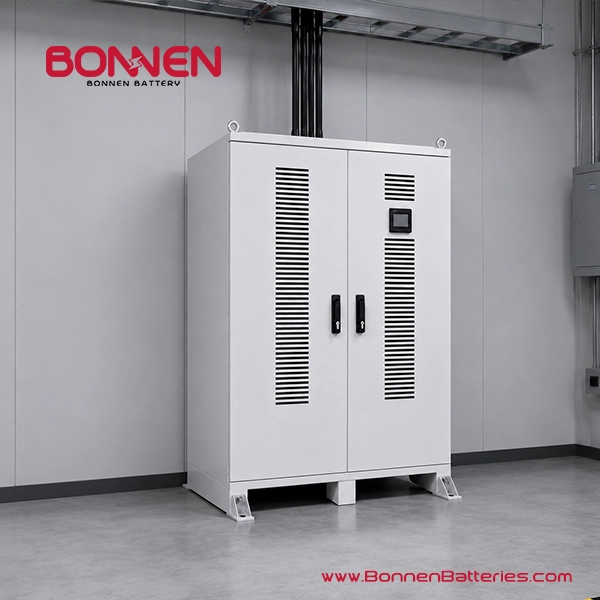
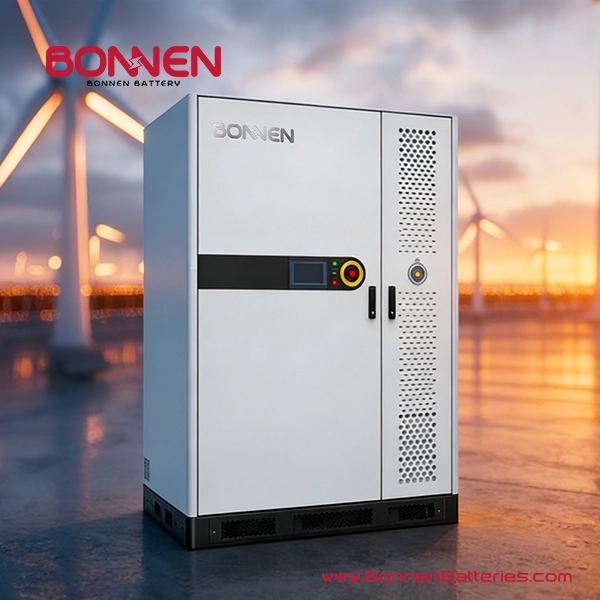
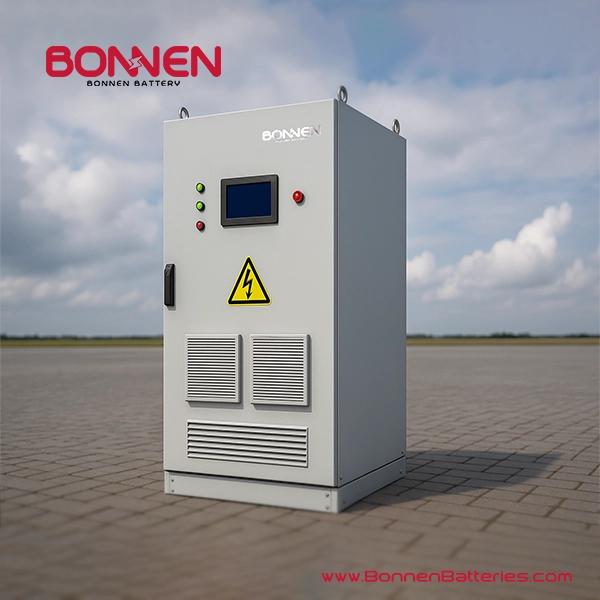
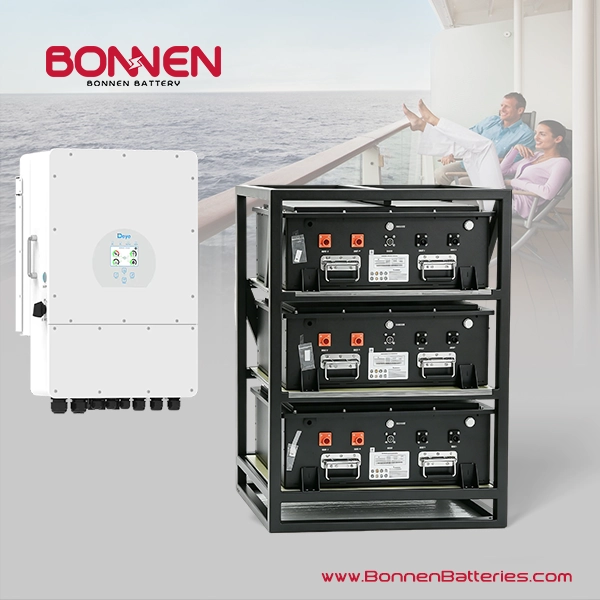
Compare available Bonnen Battery ESS platforms by capacity, architecture, cooling method and intended application. Final system configuration can be evaluated around your site, load profile, PCS requirements and operating conditions.
SELECTION FRAMEWORK
How Do You Choose the Right Energy Storage System?
A useful system definition connects energy, power, operating strategy, electrical integration and real installation conditions. Comparing kWh alone is not enough.
Energy Requirement
Define usable energy, backup duration and the expected daily cycle target.
Power Requirement
Identify continuous power, peak power and the required charge or discharge rate.
Operating Scenario
Clarify peak shaving, backup, renewable integration, load shifting or microgrid priorities.
Electrical Integration
Confirm grid voltage, PCS topology, AC or DC coupling strategy and site controls.
Installation Conditions
Review indoor or outdoor placement, temperature, footprint, access and environmental requirements.
SYSTEM RELATIONSHIPS
More Than a Battery Cabinet
A C&I ESS operates inside a site electrical and control architecture. Power conversion, battery management and site-level coordination have different responsibilities.
Typical architecture shown for reference. Final topology and component scope depend on the selected product, PCS strategy, grid requirements and project design.
PROJECT ENGINEERING
Engineered Around Your Project
The final battery system should be evaluated against the operating profile, electrical interface, physical site and control requirements.
Energy & Power
Capacity, usable energy, charge and discharge power, C-rate and operating profile.
Electrical Architecture
System voltage, PCS coordination, HV distribution, protection and interface definition.
Mechanical & Thermal Design
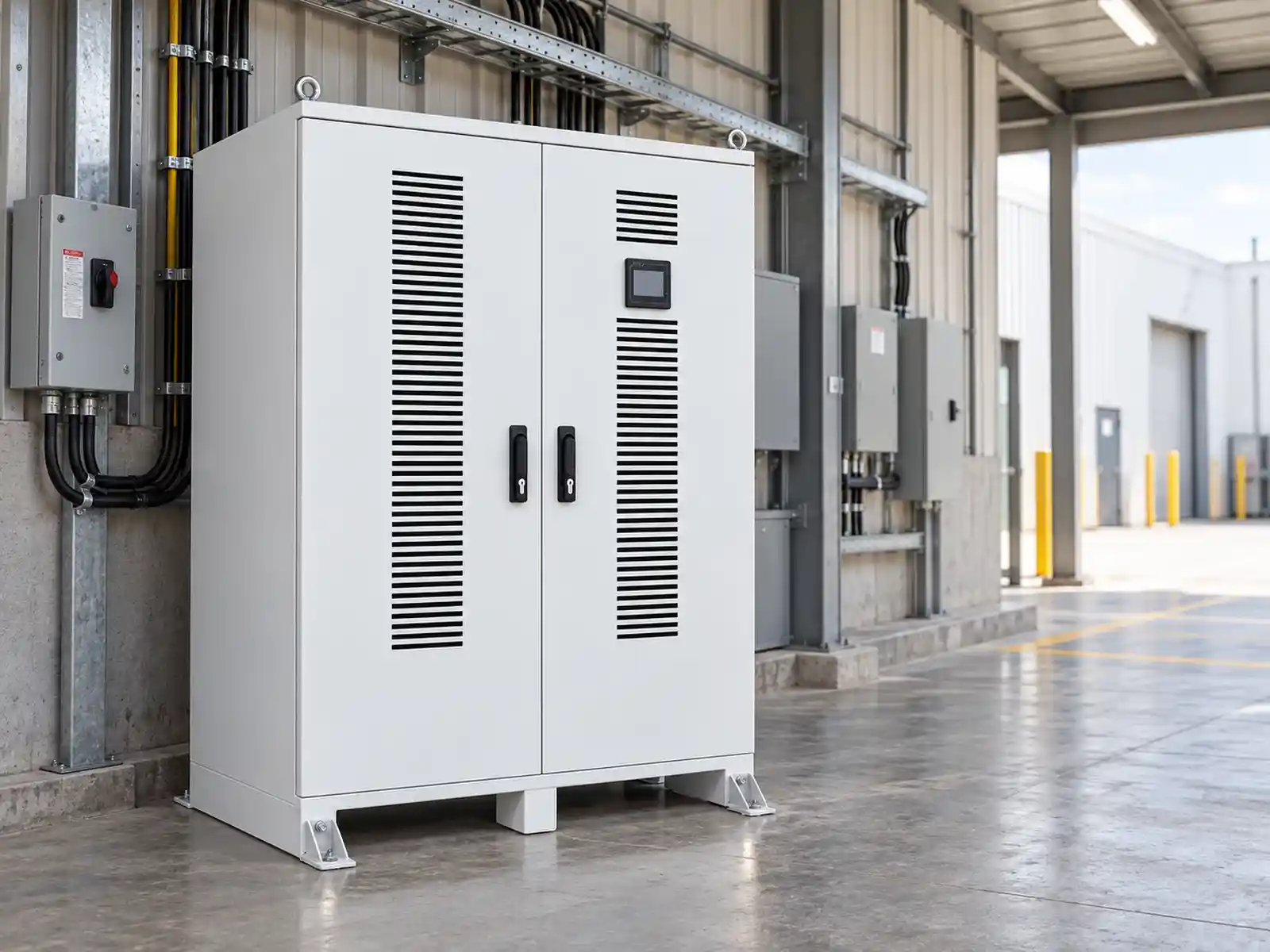
Cabinet layout, installation footprint, service access, air or liquid cooling and environmental conditions.
Communication & Controls
BMS hierarchy, CAN, RS485 or Ethernet interfaces, Modbus where applicable, alarms and project-specific EMS integration.
SYSTEM OPERATION
Designed for Reliable Long-Term Operation
Battery Management System
Cell monitoring, protection, balancing, SOC and SOH estimation, and system communication.
Thermal Management
Air or liquid cooling selected around system heat load and the operating environment.
Electrical & System Protection
Contactors, fuses, isolation or insulation monitoring, and emergency functions according to system design.
Monitoring & Integration
Operating data, alarms, local or remote monitoring, and site-level coordination where supported.
CHEMISTRY OPTIONS
Multiple Chemistry Options for Stationary Energy Storage
Chemistry selection should follow the cell design, operating temperature, duty cycle, supply priorities and complete system architecture.
ENGINEERING COLLABORATION
Why Work With Bonnen Battery?
Battery Engineering
Support from cell and module decisions through cabinet and system-level battery design.
Flexible Configuration
Capacity, voltage, cooling, layout and communication evaluated around the project.
Manufacturing & Testing
Controlled assembly and test processes appropriate to the final system definition.
Project Support
Technical communication from requirement definition through integration and delivery preparation.
PROJECT INPUTS
Tell Us About Your Energy Storage Project
The following information helps the engineering conversation start with the right system boundaries.
Don’t have every specification yet? That’s okay. Share your application, load information, site conditions and what you already know. Our engineering team can help define the next technical questions.
FAQs About Commercial & Industrial Energy Storage Systems
Common questions about system sizing, applications, PCS integration, battery technology, installation and project configuration.
NEXT ENGINEERING STEP
Planning a Commercial Energy Storage Project?
Share your required capacity, power, application and installation conditions. Bonnen Battery can help evaluate a suitable system architecture and the information needed for the next engineering step.