
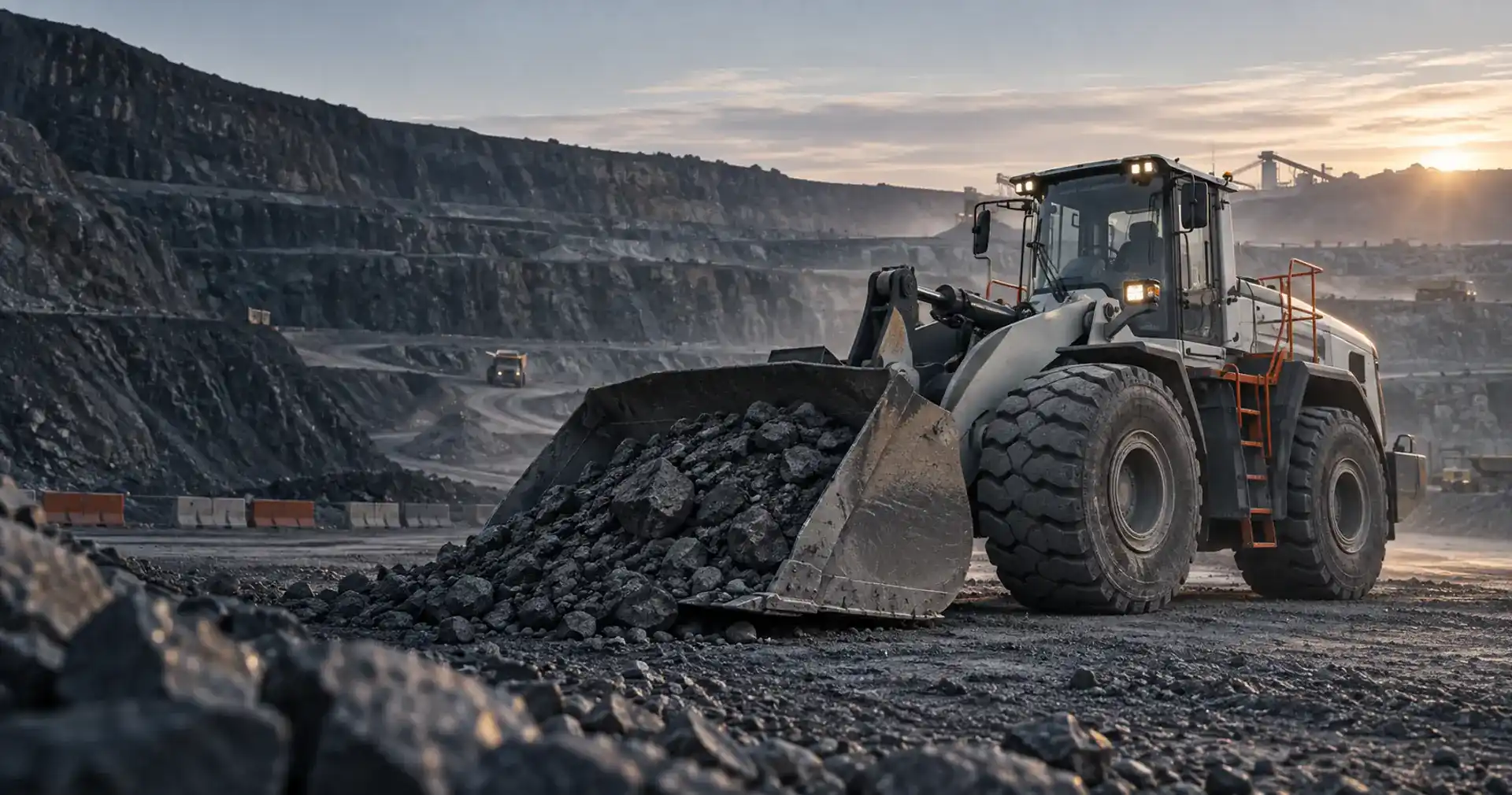
Heavy Equipment Lithium Battery Systems
Purpose-built LFP battery systems for demanding off-highway machines—engineered around voltage, power, duty cycle, packaging, controls, and environmental requirements.
- 48V–700VSystem range
- High-Power OutputFor traction and hydraulics
- CAN / RS485 BMSMachine-level communication
- IP65 / IP67 OptionsFor harsh-duty integration
Built for machines that do real work
A strong battery specification begins with how the machine actually operates—not a catalog voltage and capacity alone.
Traction + Hydraulics
Coordinate propulsion, pumps, auxiliaries, and peak loads within one power architecture.
High Utilization
Support multi-shift duty, opportunity charging, and predictable service windows.
Severe Environments
Engineer for dust, water, vibration, temperature, shock, and industrial handling.
Machine Integration
Align enclosure, mounting, connectors, controls, and thermal interfaces.
One engineering approach, six demanding machine categories
Platform thinking creates consistency while application-specific engineering protects performance.
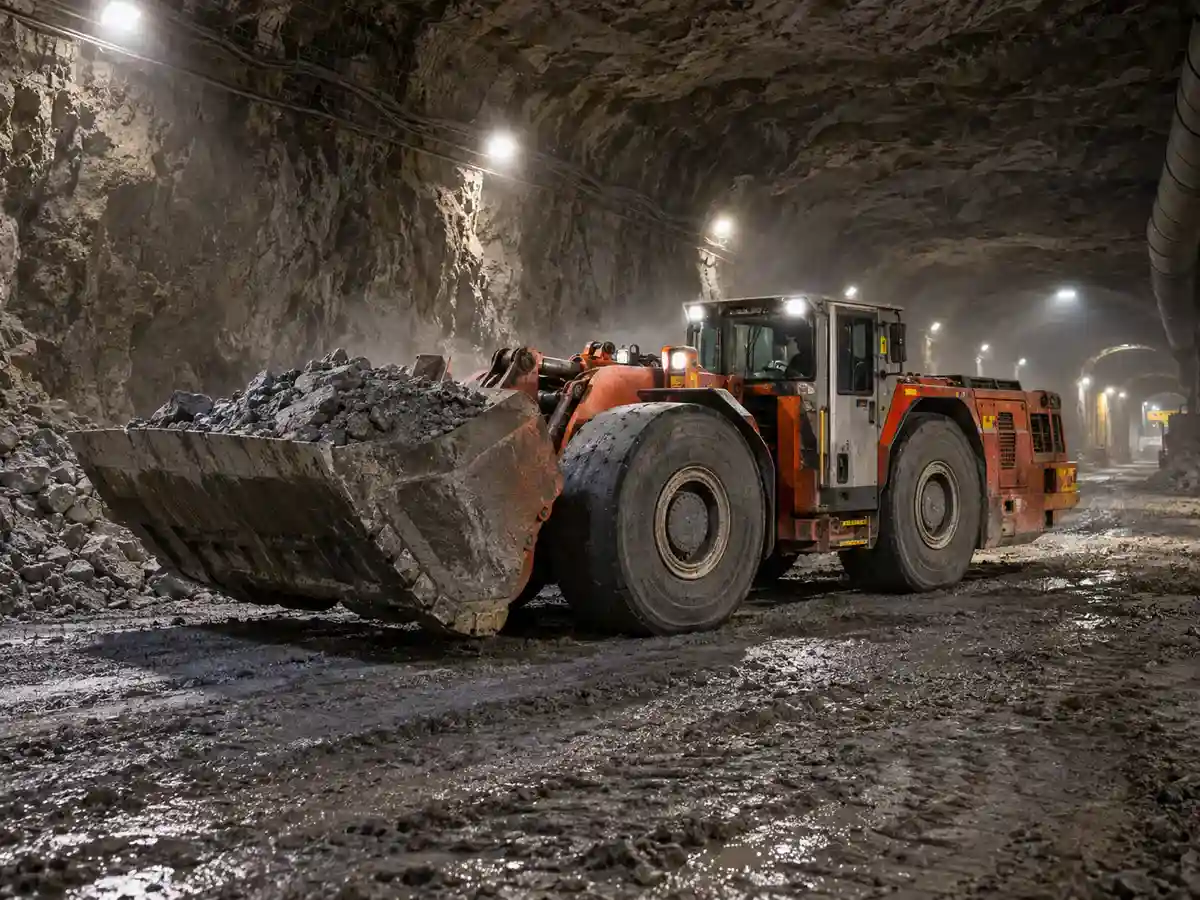
Mining Equipment
Load-haul-dump machines and underground utility equipment.
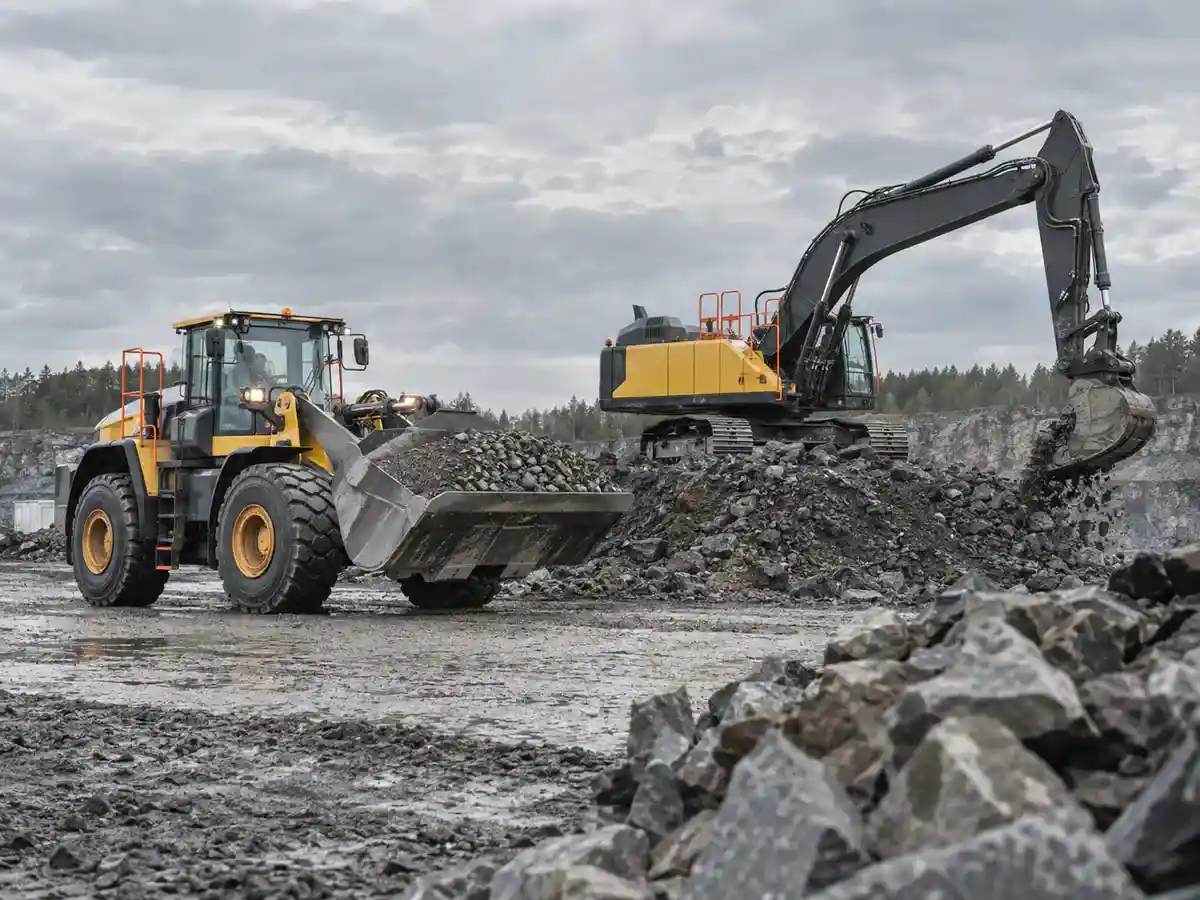
Construction Equipment
Loaders, excavators, compactors, and material handlers.
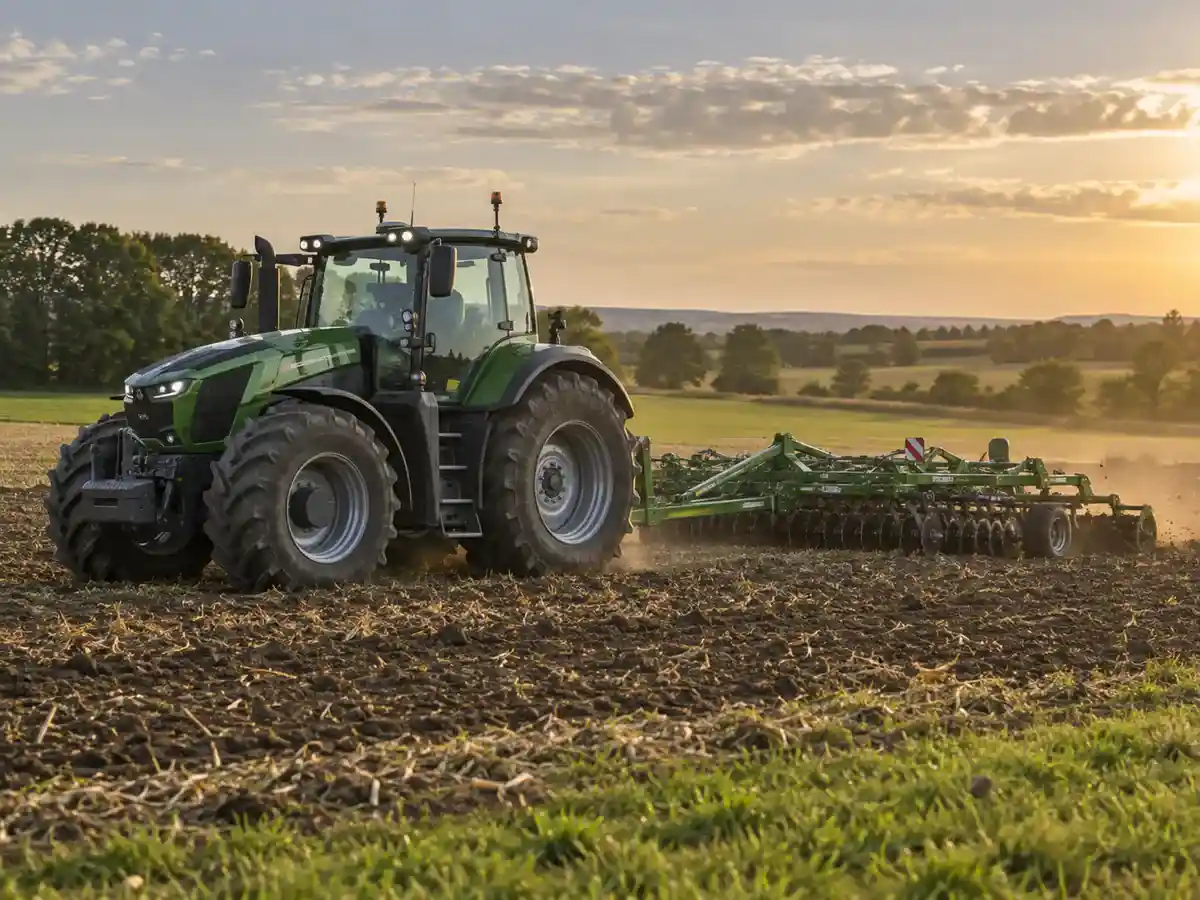
Agricultural Machinery
Tractors, sprayers, harvest-support, and autonomous field platforms.
Port & Terminal Equipment
Yard tractors, terminal tractors, and container-handling auxiliaries.
Municipal & Utility Vehicles
Sweepers, service units, refuse-support, and specialized utility machines.
Special-Purpose Equipment
Custom industrial platforms with unusual packaging or power profiles.
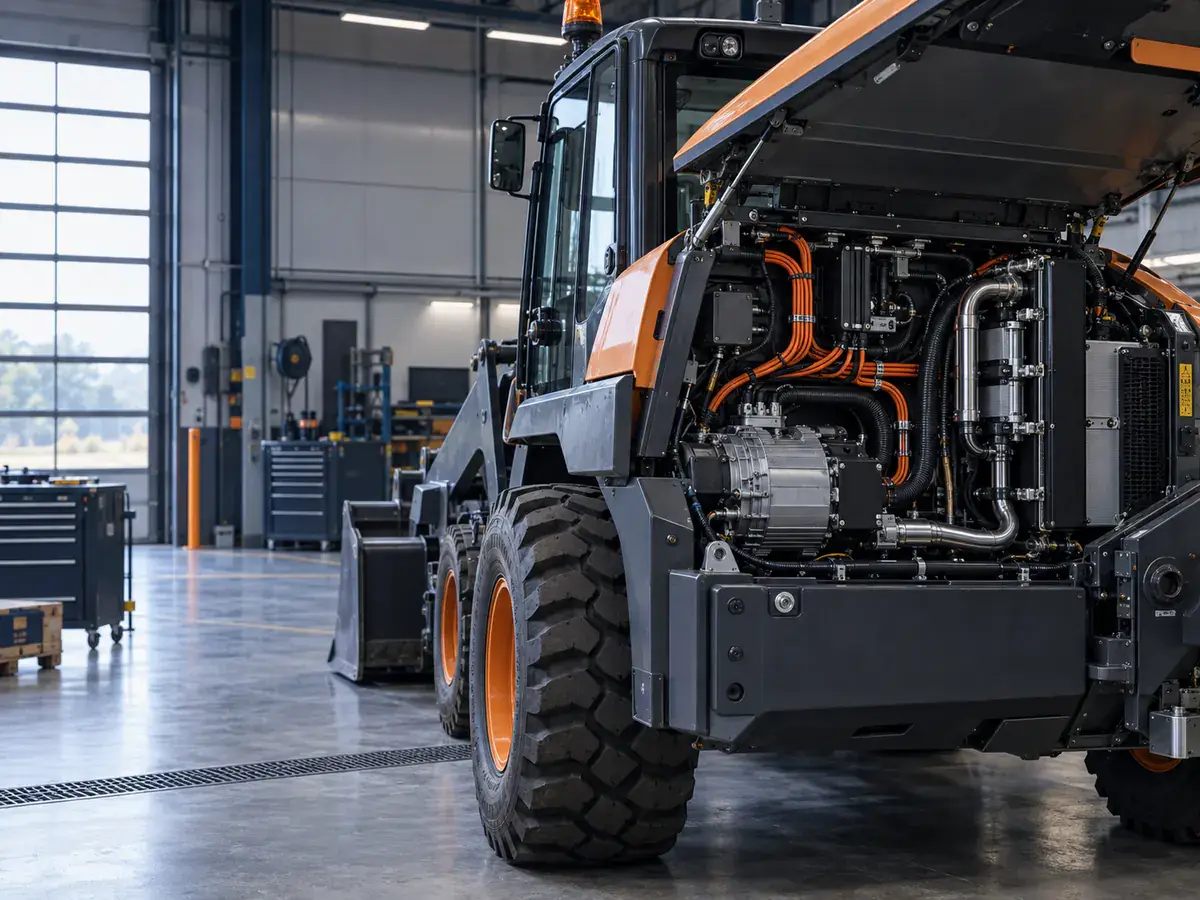
Sized from the machine backward
A reliable solution begins with measured operating demands. Bonnen engineers translate six core inputs into a battery and controls architecture.
The hard parts are connected
Energy capacity is only one variable. The system must manage electrical, thermal, mechanical, and control constraints together.
Peak Power Delivery
Handle traction launch, hydraulic surges, and simultaneous loads without destabilizing voltage.
Thermal Balance
Maintain cell consistency during high-rate discharge, fast charging, and uneven ambient exposure.
Mechanical Protection
Design the enclosure and mounting system for vibration, shock, dust, water, and service handling.
Controls Integration
Coordinate BMS, vehicle control unit, charger, inverter, contactors, and operator diagnostics.
Charging Workflow
Match connector, charger power, charge curve, operating window, and fleet availability targets.
Lifecycle Serviceability
Plan access, isolation, diagnostics, replaceable assemblies, and documentation for field support.
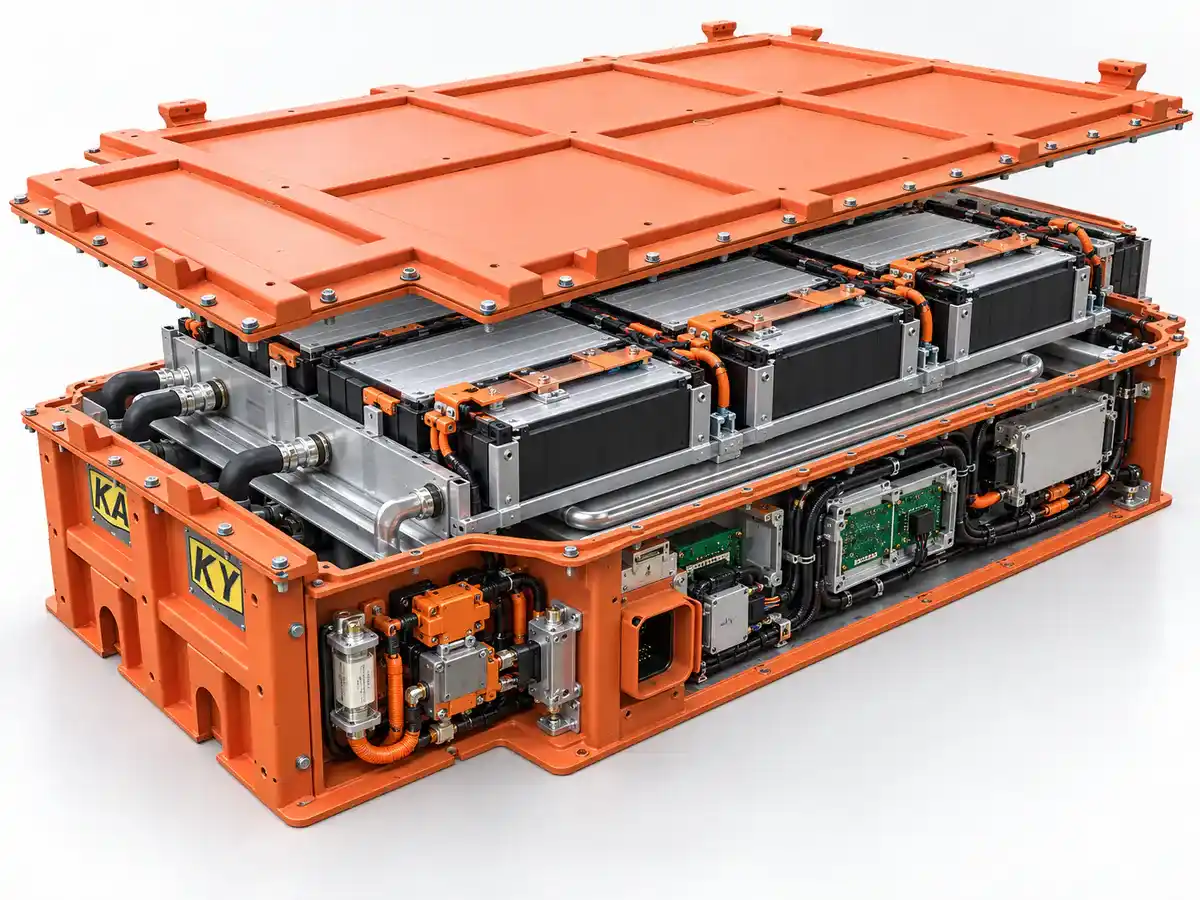
Designed as a complete machine subsystem
Component selection and packaging are developed as one coordinated safety and performance system.
Representative architecture only. Final component layout, redundancy, protection strategy, and interfaces are determined by the machine requirements.
A modular path from 72kWh to 432.7kWh
A common high-voltage module concept can be arranged around power, range, packaging, and redundancy goals.
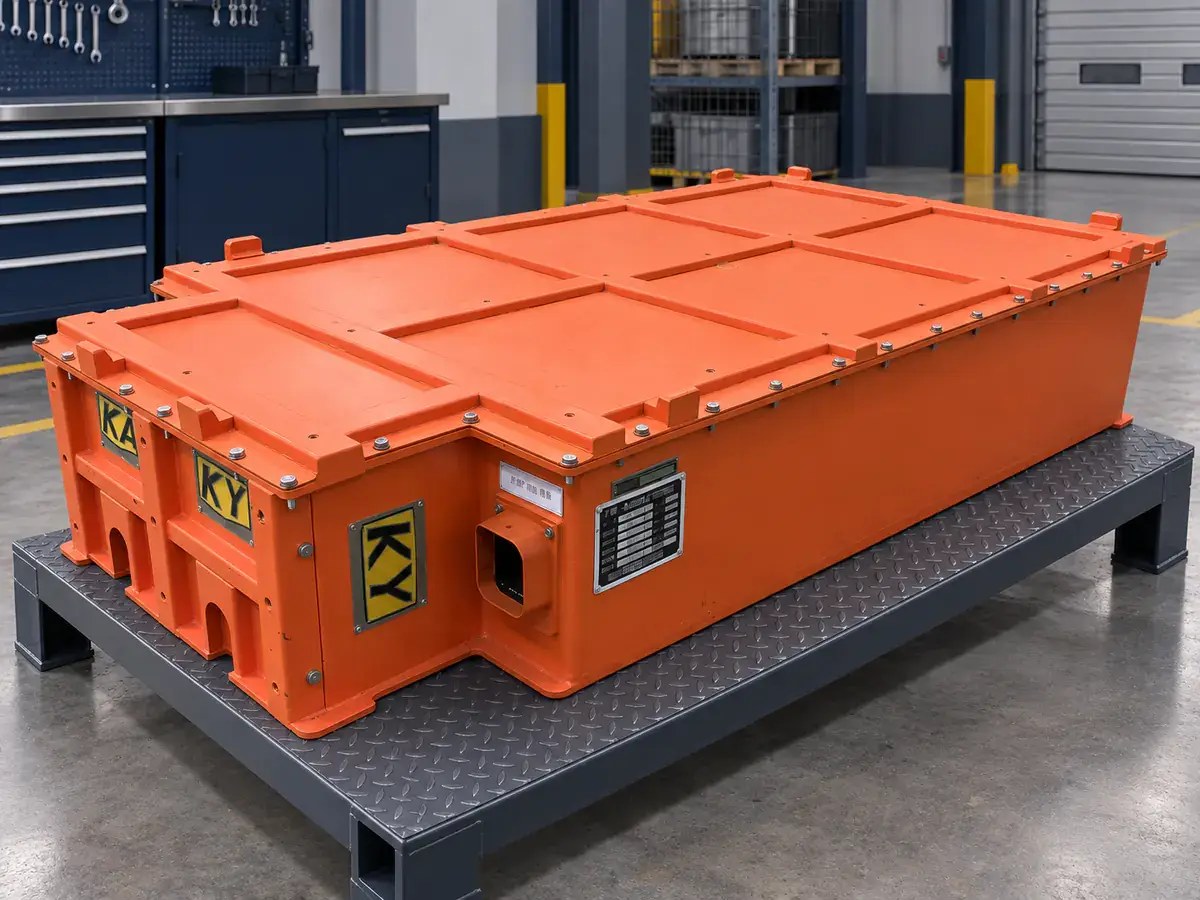
- 150A recommended continuous discharge
- 230A maximum continuous discharge
- 600A peak discharge for 3 seconds
- CAN communication and liquid cooling
- IP67 enclosure target
- More than 4,000 cycles under defined conditions
- Charge temperature: 0–45°C
- Discharge temperature: -20–60°C
Engineering reference: This is a reference configuration used to illustrate scalability. It is not a standard stock product. Ratings and life depend on final cell selection, system limits, operating profile, and validation.
Different machines require different answers
These examples show how packaging and system architecture can change with machine type.
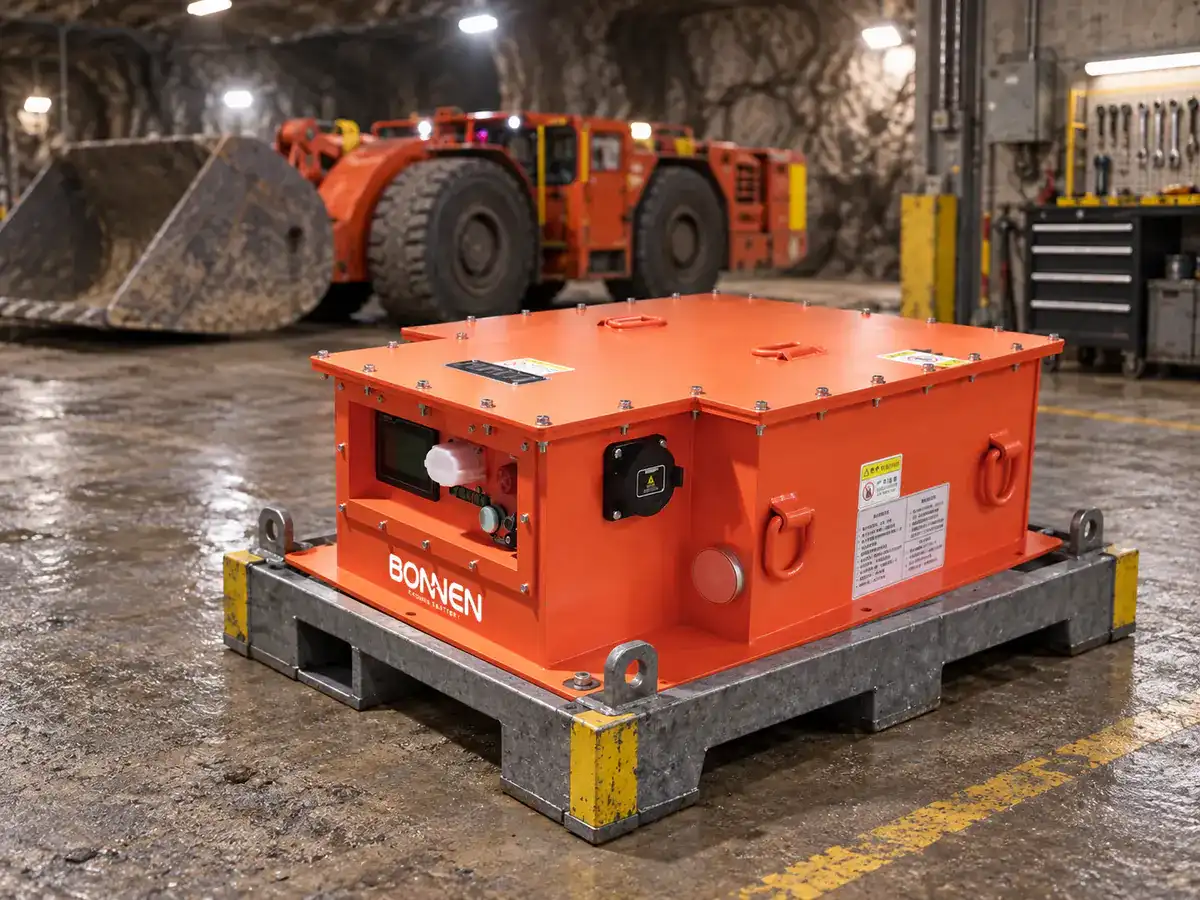
Compact Mining Pack
Low-profile packaging for confined machine spaces with ruggedized service access.
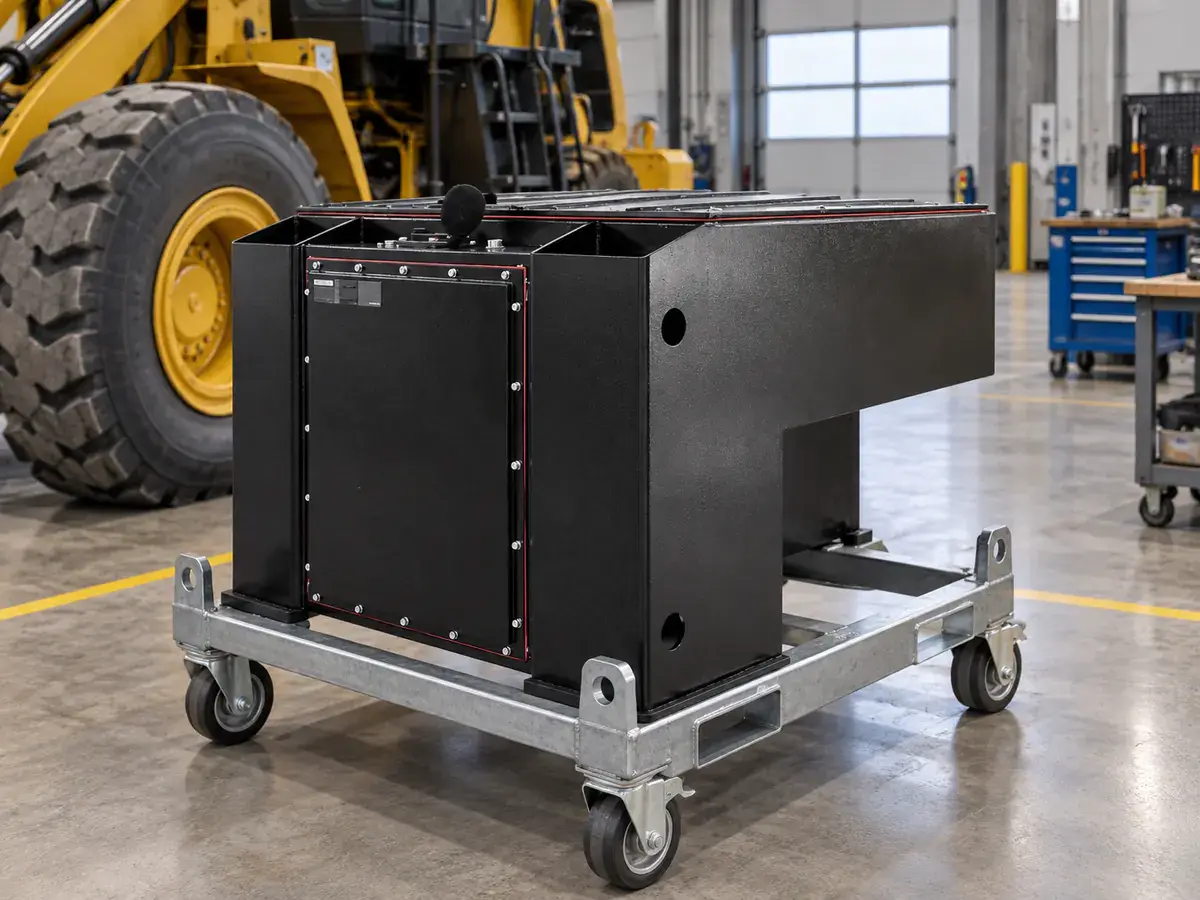
Wheel Loader Integration
Machine-shaped enclosure strategy designed around structure, articulation, and counterweight needs.
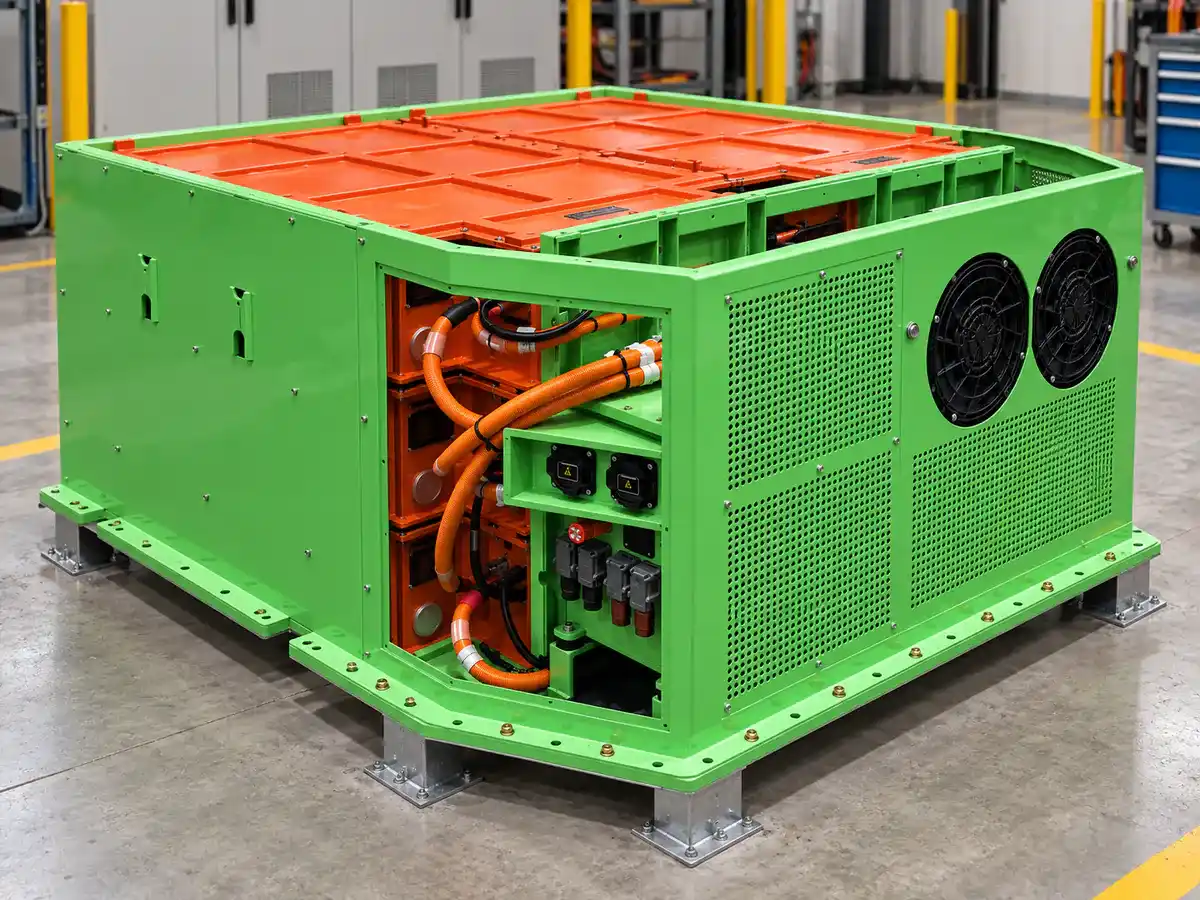
High-Voltage Platform
Scalable pack arrangement for higher-power drivetrains and larger usable-energy targets.
Configurations shown are engineering references for discussion, not certified production specifications or evidence of deployment in a named customer machine. Final performance, dimensions, interfaces, compliance, and warranty terms require project-specific engineering and validation.
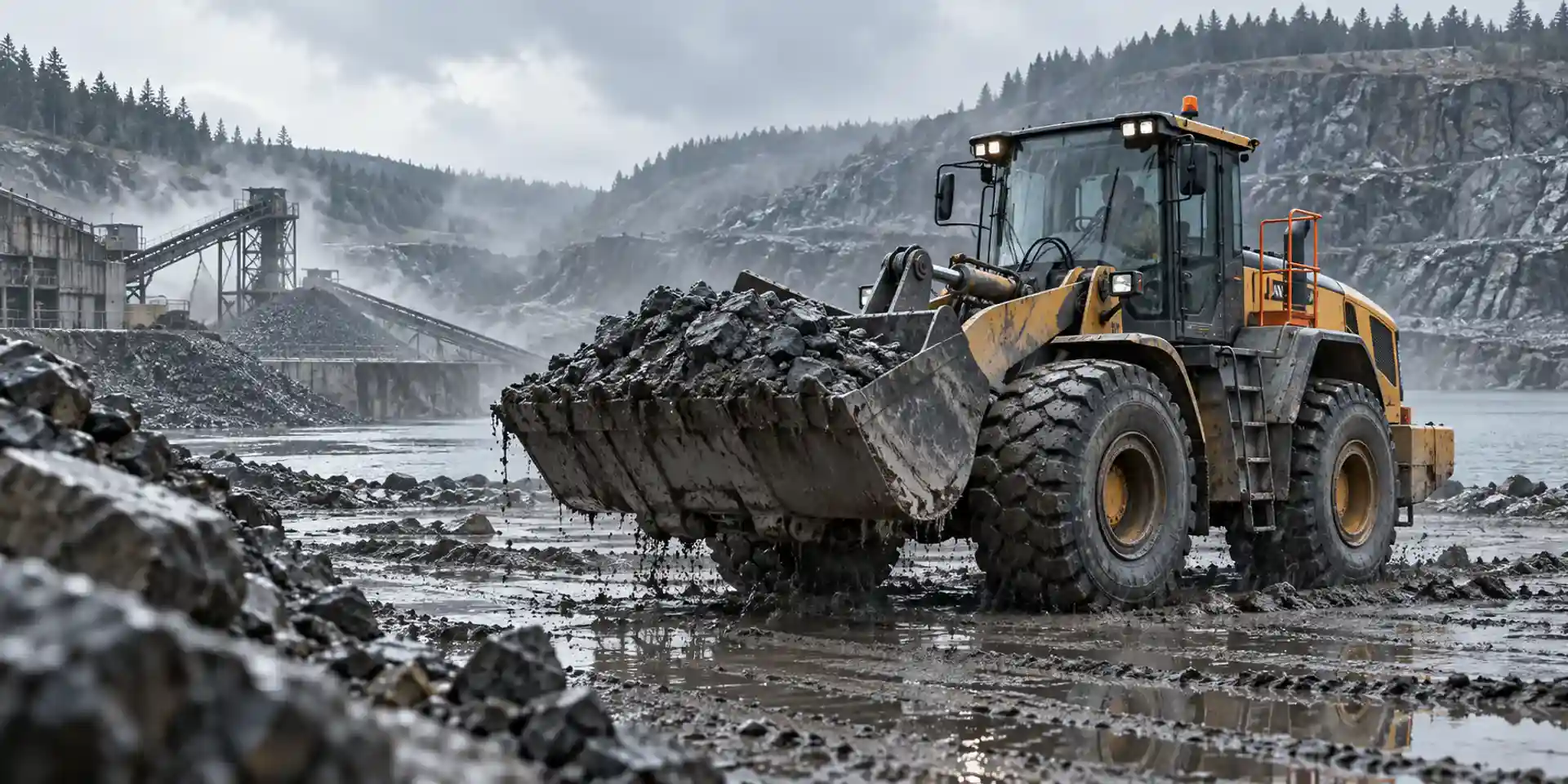
Protection begins before the machine reaches the field
Environmental resilience comes from enclosure engineering, component selection, interface design, and validation as a system.
Why LFP for heavy equipment?
From requirement definition to production support
A practical partner for OEM teams that need battery engineering, integration coordination, and scalable manufacturing under one roof.
Application Engineering
Requirements translated into electrical, thermal, and mechanical targets.
Custom Pack Design
Voltage, capacity, enclosure, connectors, and mounting adapted to the machine.
BMS Integration
CAN / RS485 communication, control logic, diagnostics, and protection coordination.
Thermal Engineering
Passive, air, or liquid-cooling concepts selected for the duty profile.
Prototype Validation
Engineering samples and agreed verification plans before production release.
Manufacturing Support
Design-for-manufacture review, controlled assembly, and traceability planning.
Compliance Planning
Project-specific support for transport, safety, and market requirements.
Charger Coordination
Battery, charging hardware, connectors, and operating strategy aligned.
Lifecycle Collaboration
Technical documentation, change control, and service considerations.
A disciplined path to the right system
Six connected steps keep performance, packaging, controls, and validation aligned.
Requirements
Machine data, use case, constraints, targets.
Concept
Architecture, chemistry, voltage, and capacity.
Integration
Envelope, cooling, interfaces, and controls.
Prototype
Engineering sample and system bring-up.
Validation
Agreed electrical, thermal, and mechanical checks.
Production
Release, quality controls, and lifecycle support.
FAQs About Heavy Equipment Lithium Battery Systems
Answers to common questions about custom battery design, system integration, harsh-environment operation and project development.
Bring us your voltage, power, duty cycle, and packaging constraints
Our engineering team can help turn those inputs into a practical heavy equipment battery-system concept.