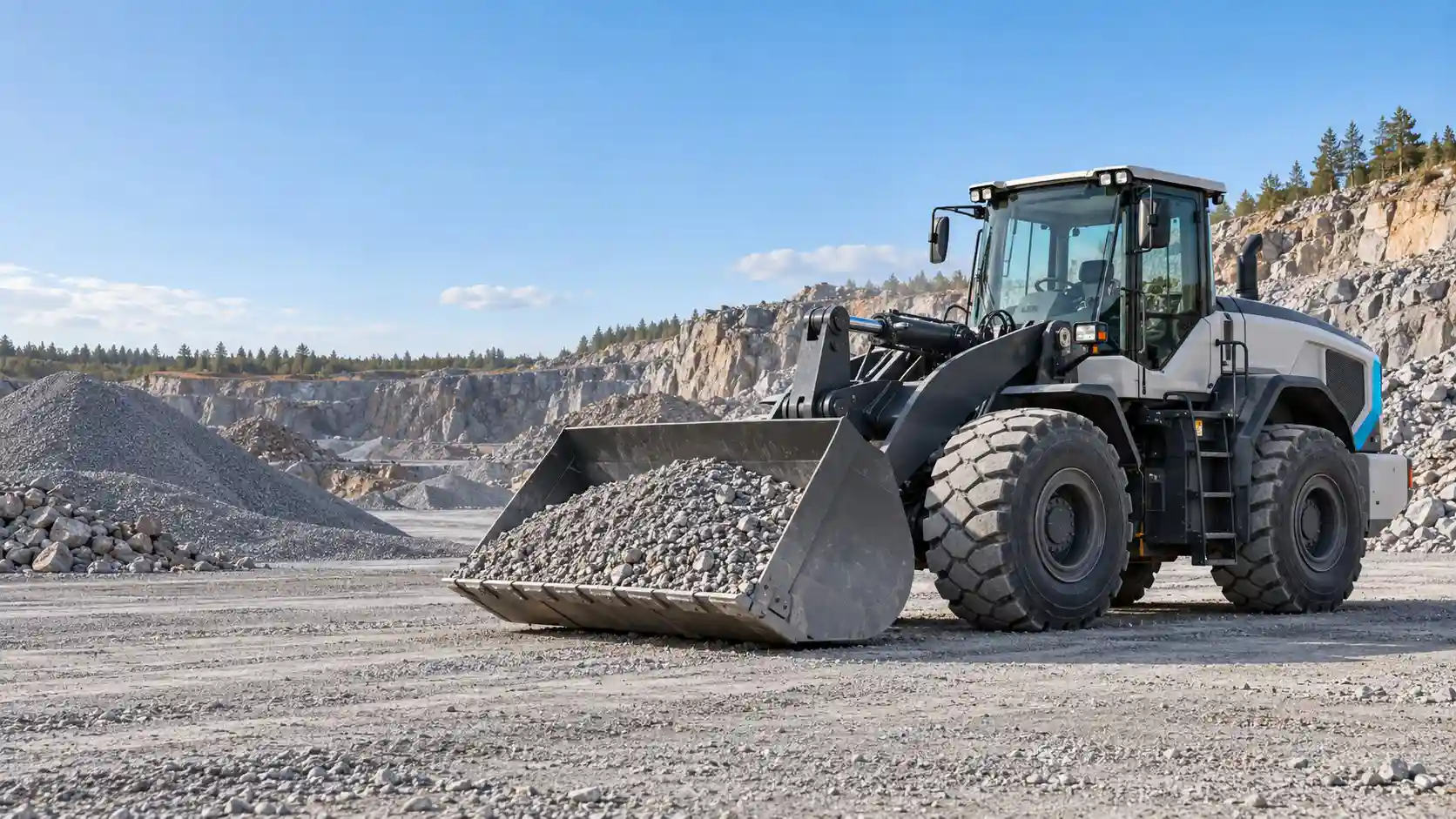
Battery-electric wheel loader working at an aggregate handling site

OFF-HIGHWAY BATTERY SOLUTIONS

Heavy Equipment Lithium Battery Systems

Custom Battery Solutions for Mining, Construction, Agriculture & Off-Highway Equipment

Explore lithium battery systems for demanding off-highway machines. Bonnen develops configurations around your equipment voltage, power demand, duty cycle, installation space and operating environment.

SYSTEM RANGE

48V–700VLow- to high-voltage platforms

POWER

High-Power OutputTraction and hydraulic loads

COMMUNICATION

CAN / RS485Machine control integration

PROTECTION

IP65 / IP67 OptionsProject-specific enclosure design

START WITH THE APPLICATION

Battery Systems Built Around Your Machine

Different machines require different approaches to power, packaging, cooling and charging. Start with your equipment type, then explore a suitable battery platform.
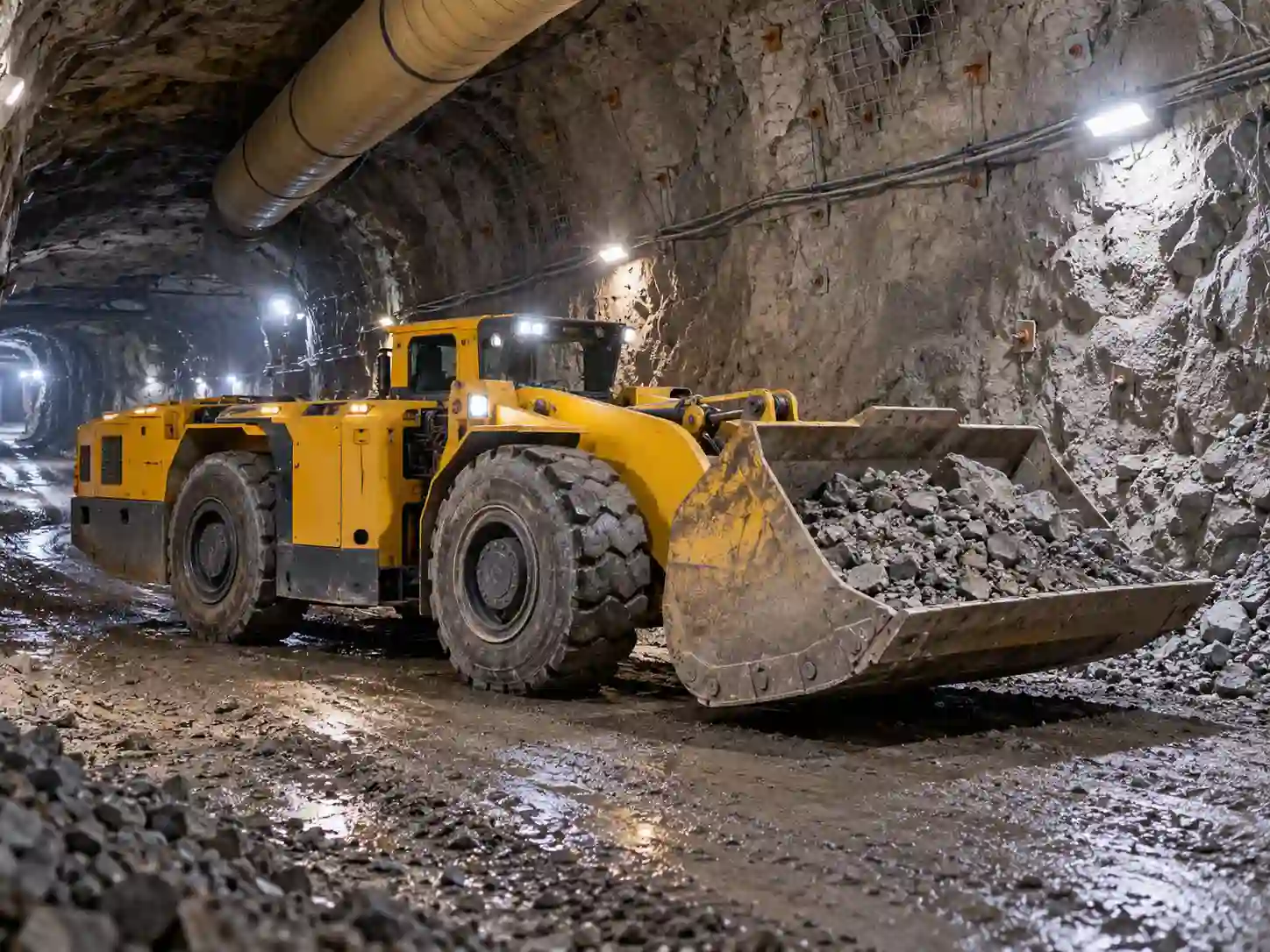
Underground loader operating in a supported mine tunnel

Mining Equipment

Underground loaders, drilling machines and utility equipment.
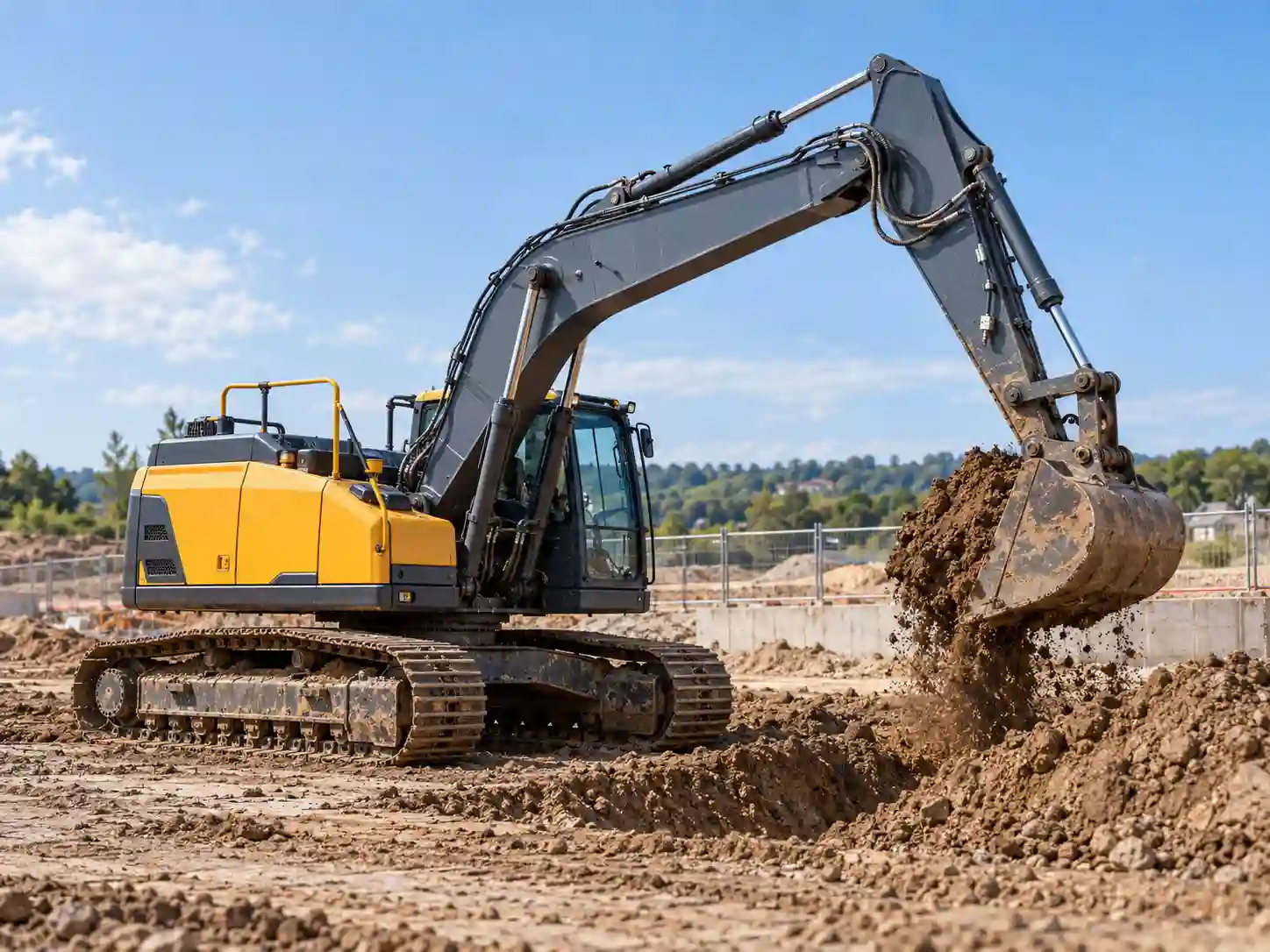
Electric excavator working at a construction site

Construction Equipment

Wheel loaders, excavators, compactors and material handlers.

Electric agricultural tractor working in a cultivated field

Agricultural Machinery

Electric tractors, sprayers and autonomous field equipment.
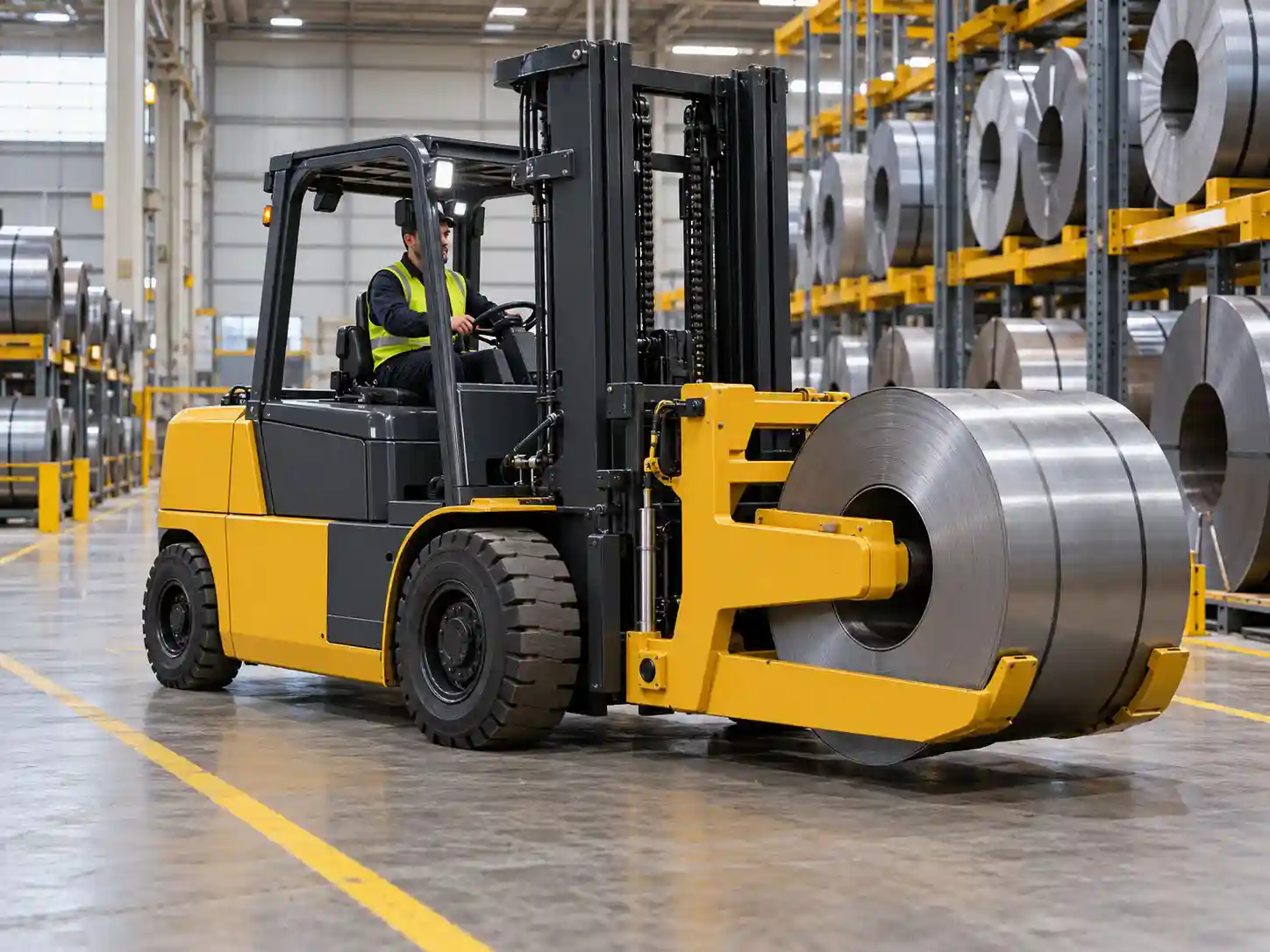
Heavy electric forklift handling a steel coil

Industrial & Material Handling

Heavy forklifts, coil handling and multidirectional equipment.
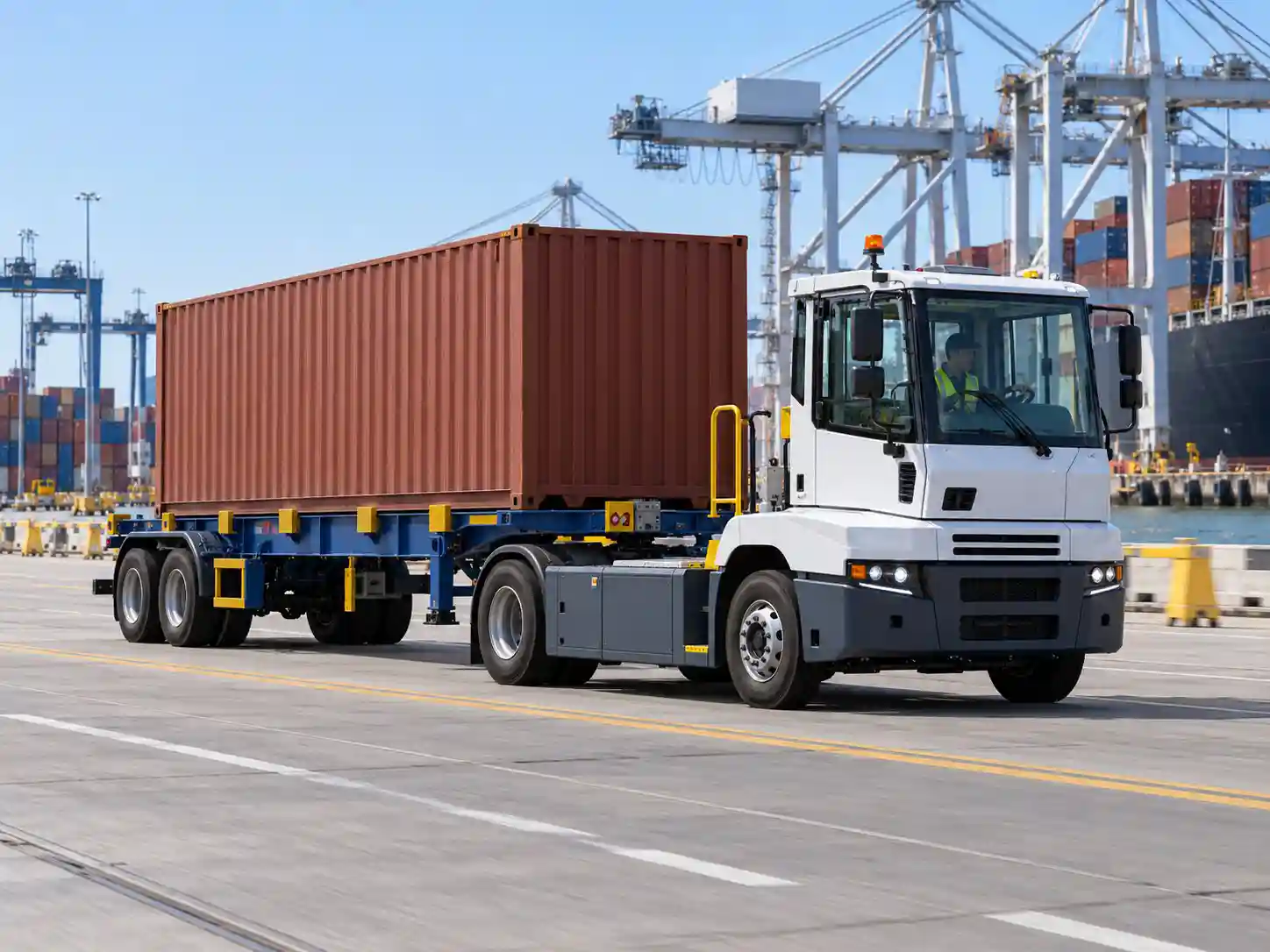
Electric yard tractor moving a container chassis at a port

Port & Terminal Equipment

Yard tractors and container-handling equipment.
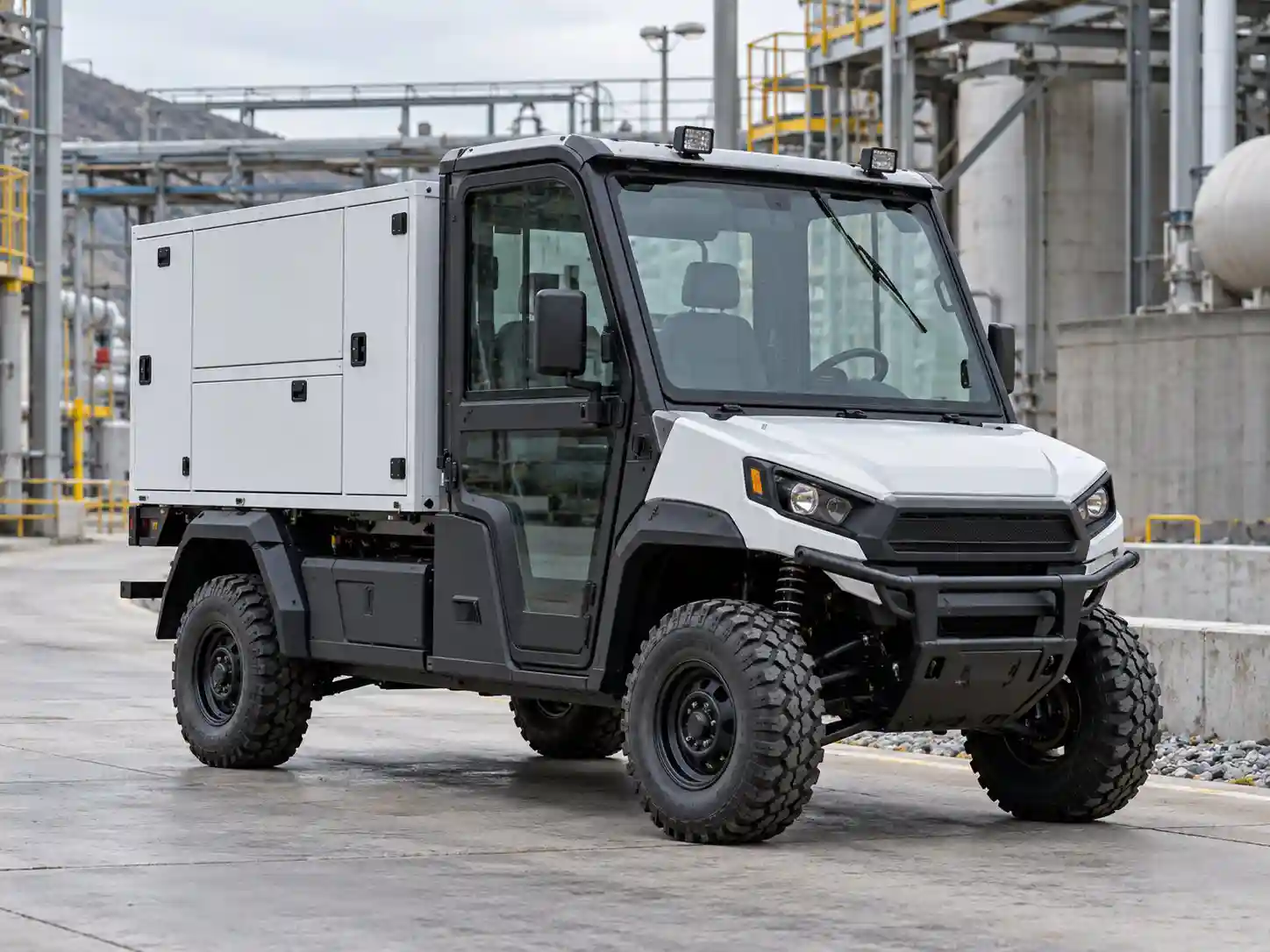
Special-purpose electric utility carrier at an industrial site

Special-Purpose Machines

Custom off-highway and industrial electric platforms.

REFERENCE PLATFORMS

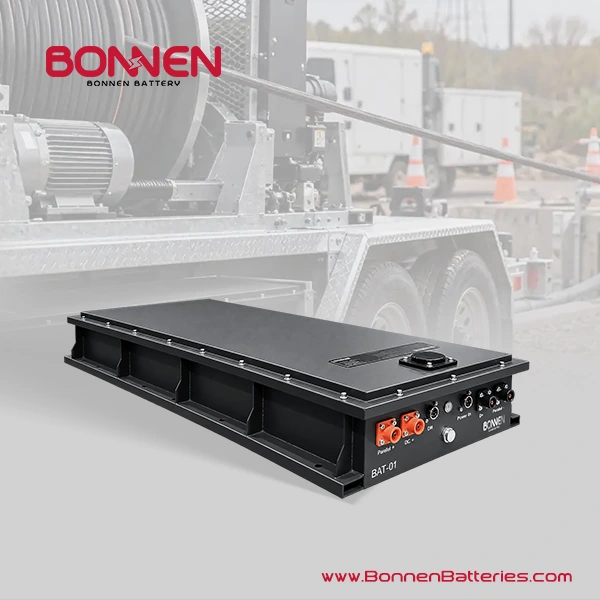
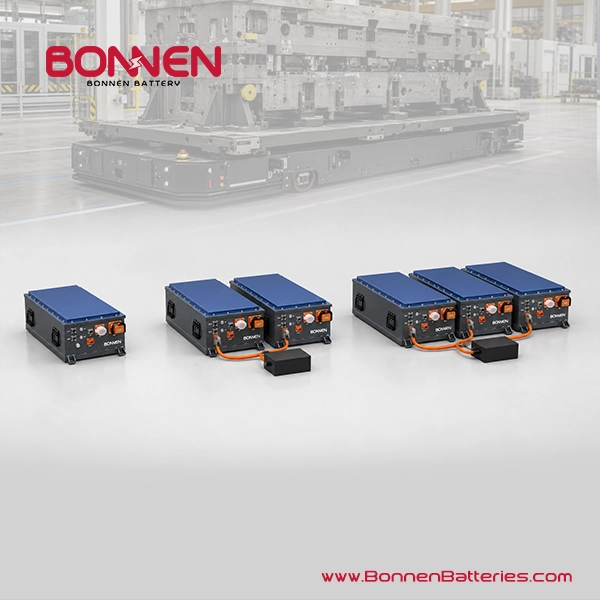
Explore Heavy Equipment Battery Systems

Browse reference battery platforms for different voltage levels, machine sizes and operating requirements. Final voltage, capacity, enclosure, BMS, thermal management and interfaces are developed around your equipment.

Need a different configuration?

Tell us about your machine
ENGINEERING STARTING POINT

What We Need to Size Your Battery System

A useful proposal starts with the machine—not a generic battery. Share the operating data your team already has, and our engineers can define the next technical questions.

01

System Voltage

Nominal and operating voltage window, inverter limits and auxiliary rails.

02

Power Demand

Continuous load, peak current, hydraulic duty and regeneration profile.

03

Duty Cycle

Shift length, idle time, energy use, charging window and daily throughput.

04

Installation Space

Available envelope, mounting points, service clearance and weight targets.

05

Environment

Temperature, dust, water exposure, vibration, shock and altitude conditions.

06

Machine Interface

Controller communication, safety interlocks, charge interface and diagnostics.

HEAVY-DUTY ENGINEERING

Designed for the Machine, Its Work and Its Environment

The final system can be configured around power delivery, enclosure protection, thermal management, functional safety needs and machine communication. CAN / RS485 and IP65 / IP67 are project-specific options—not universal specifications.

Mechanical integrationEnvelope, mounting, center of gravity, service access and connector routing.
Thermal strategyPassive or active approaches selected around load and operating conditions.
BMS & communicationsControl logic, diagnostics and machine-network interfaces defined per project.
Charging architectureOn-board or off-board charging coordinated with the equipment duty cycle.

FROM CELL TO MACHINE

A System Architecture Built as One Engineering Package

The battery pack is only one part of an off-highway energy system. Mechanical, electrical, thermal and control interfaces must be developed together.

01 / ENERGY

Cell & Module Selection

Chemistry and module format matched to energy, power, life and packaging goals.

02 / PACK

Mechanical & Thermal Design

Enclosure, cooling, mounting and service strategy developed around the machine.

03 / CONTROL

BMS & High-Voltage Safety

Monitoring, protection, contactors, pre-charge and diagnostic behavior.

04 / VEHICLE

Machine Integration

Communication, charging and commissioning aligned with the OEM control system.

REFERENCE SYSTEM RANGE

From 48V Platforms to 700V Heavy Equipment Systems

These bands organize the conversation; they are not fixed catalogue products. Final voltage, capacity, power and enclosure depend on the application.

48V–96V

Compact industrial machines, utility platforms and lower-voltage traction systems.

96V–200V

Mid-size equipment requiring more power while retaining a compact architecture.

200V–400V

Higher-power construction, mining and material-handling applications.

400V–700V

Large off-highway machines and multi-pack architectures with demanding loads.

ENGINEERING REFERENCES

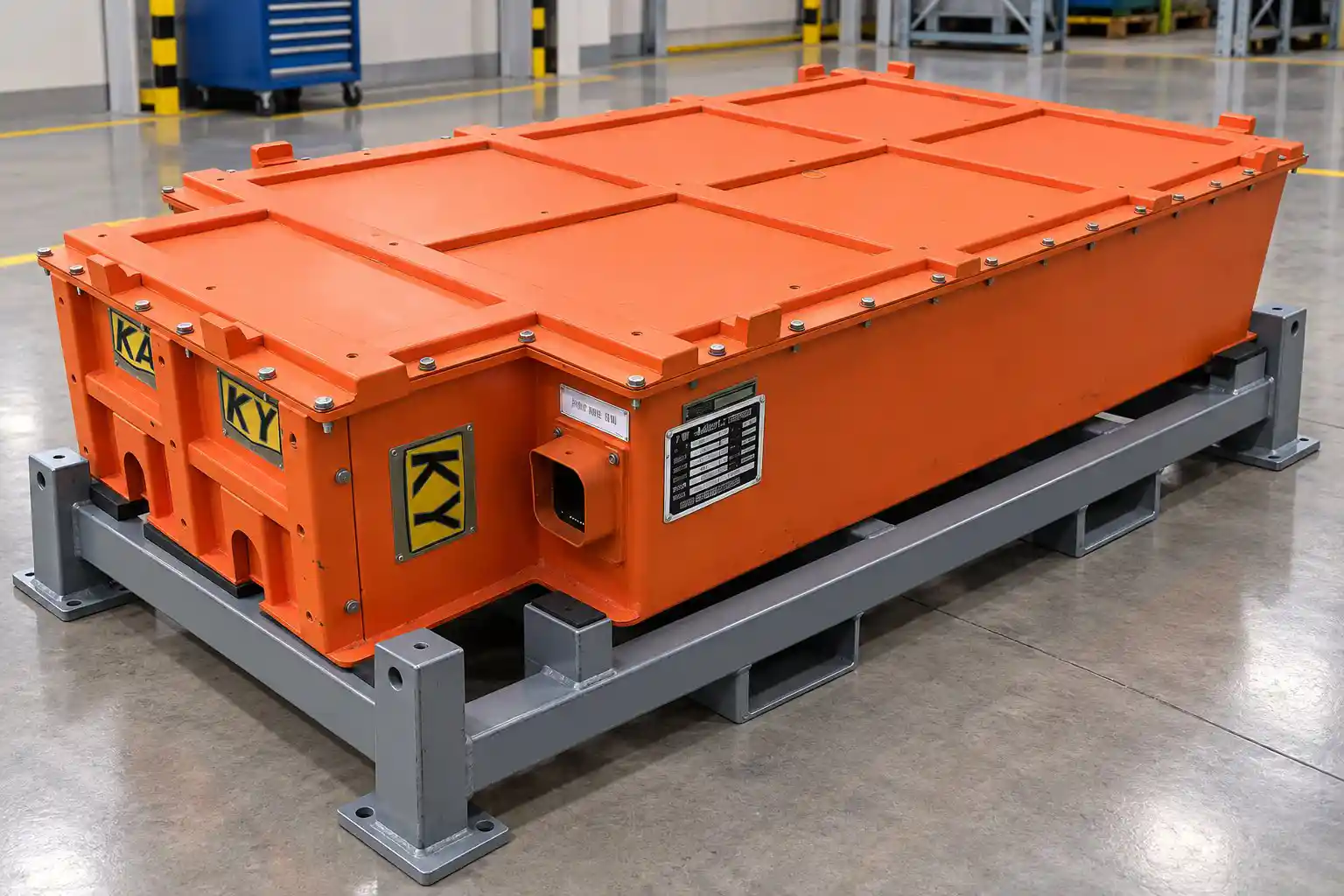
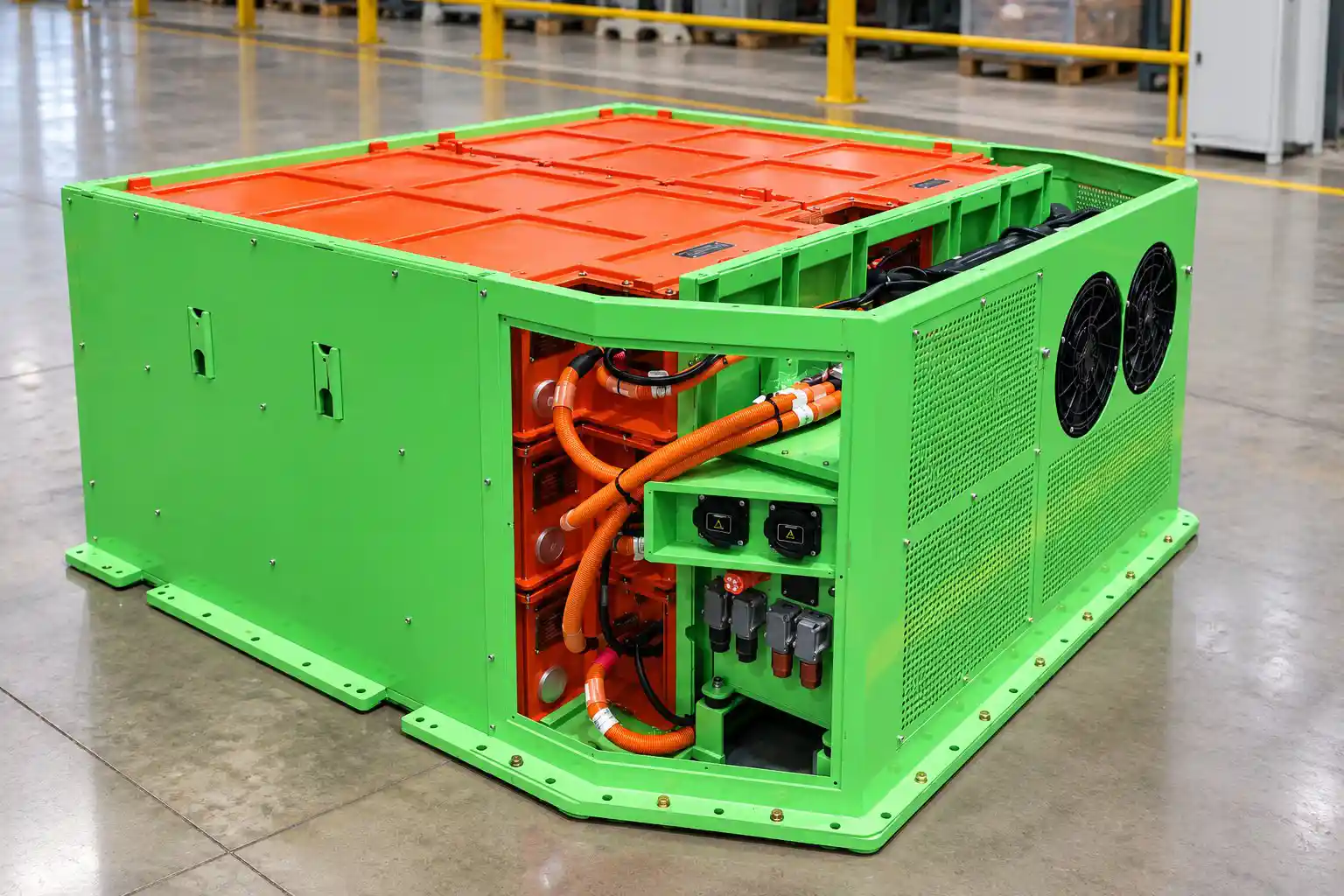
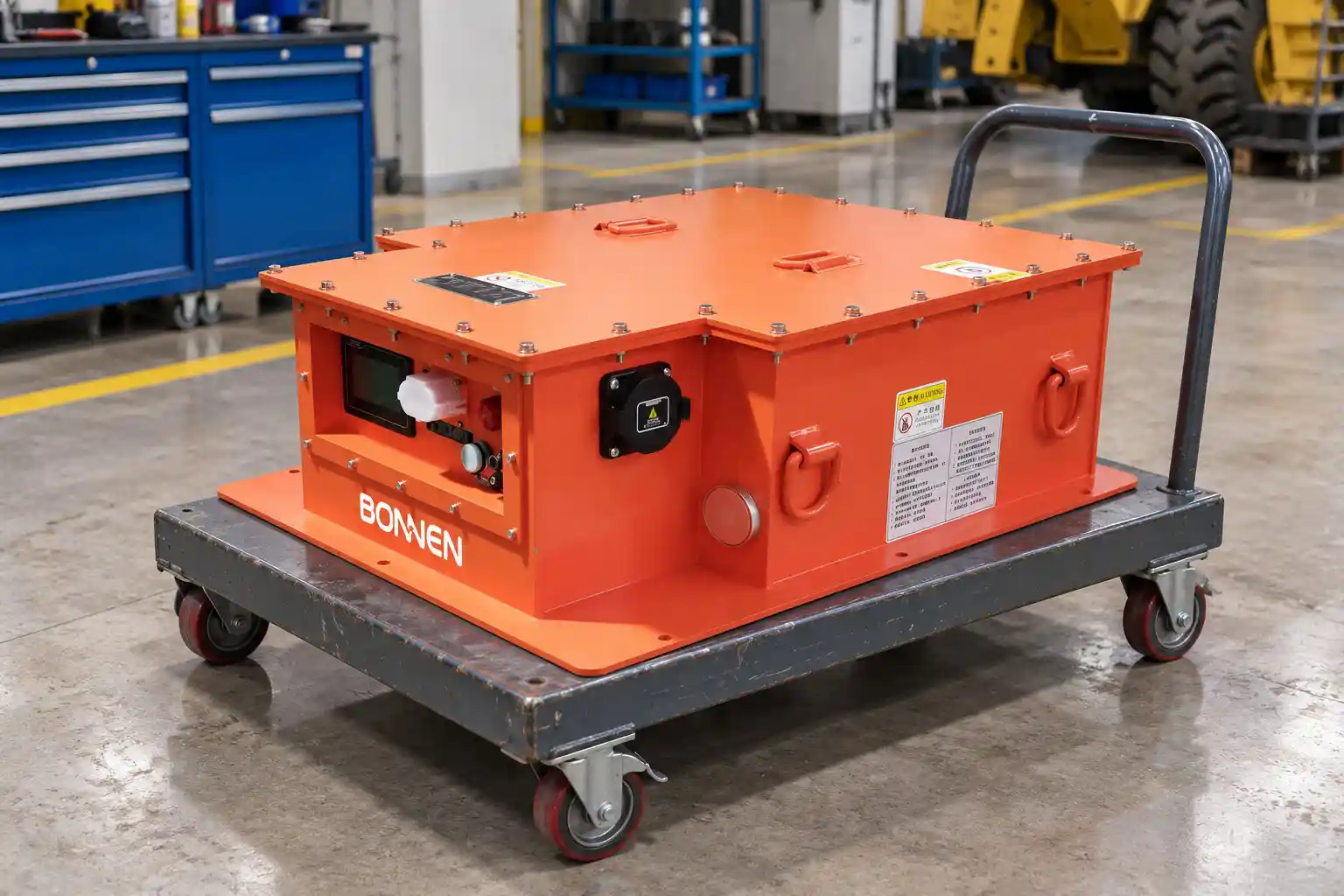
Representative Battery Pack Configurations

Use these visuals to discuss packaging and architecture. Final voltage, capacity, enclosure, thermal management and interfaces are developed around your equipment.
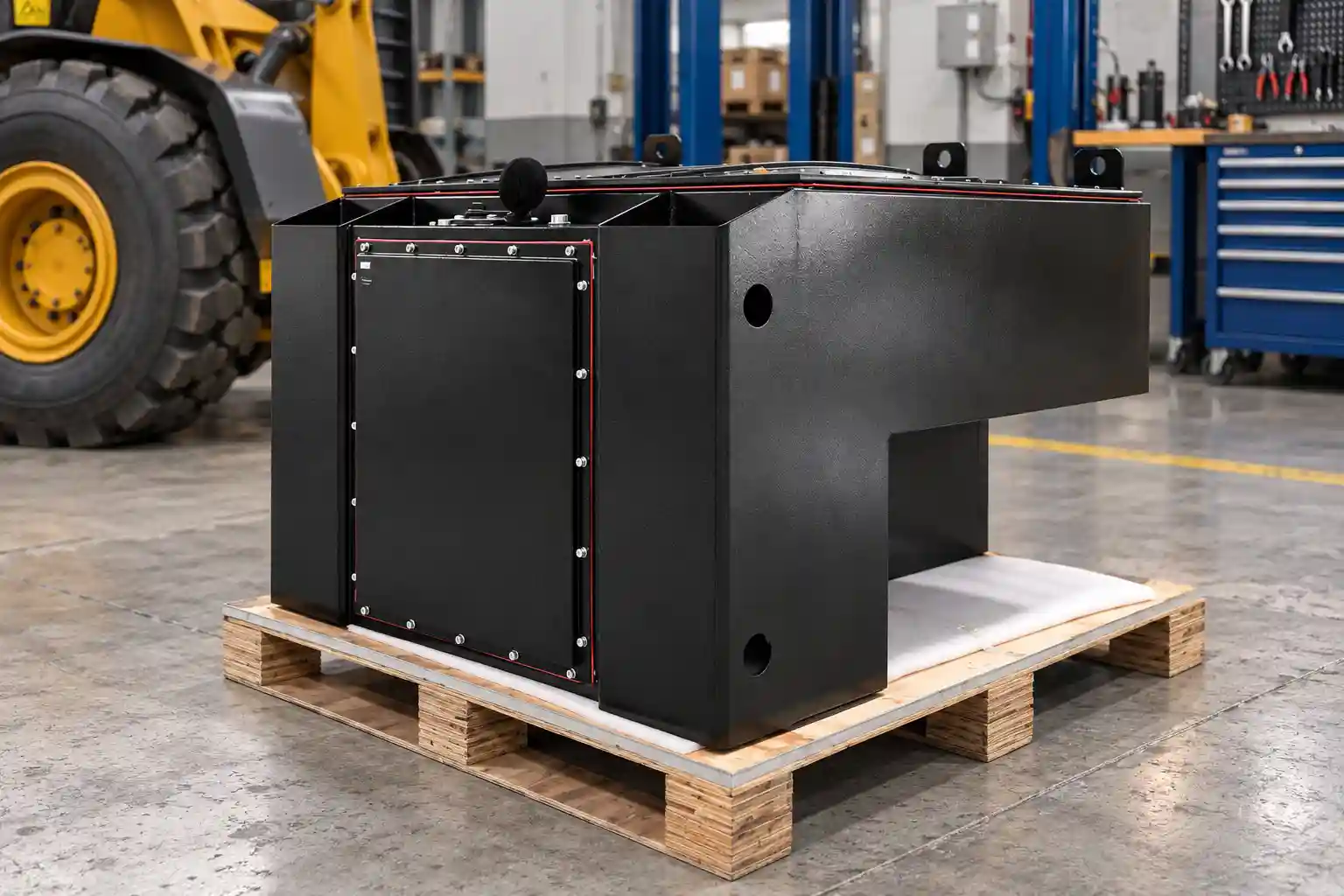
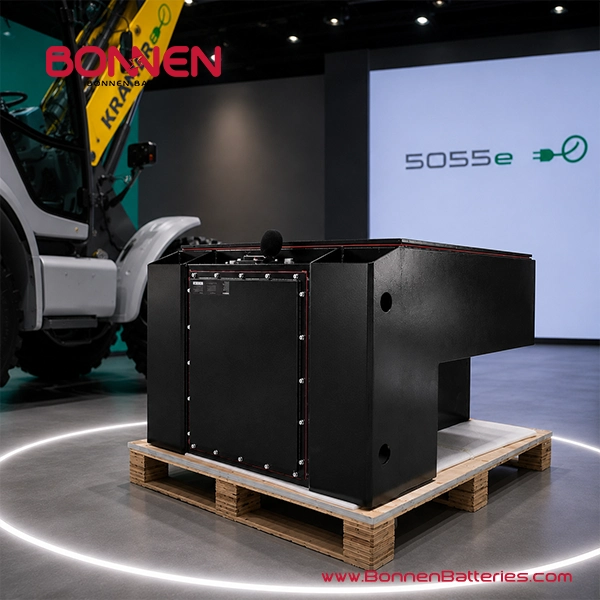
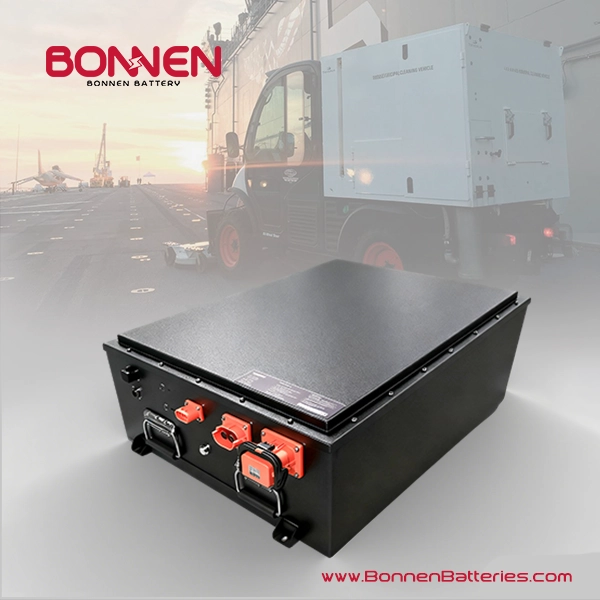
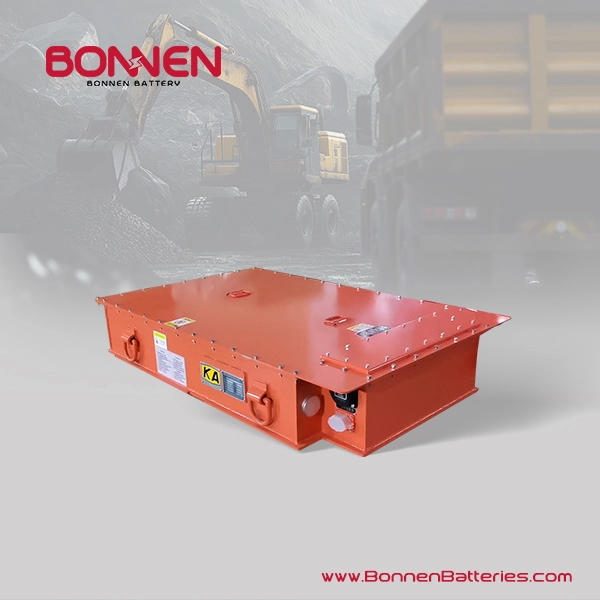
Reference battery pack configuration for wheel loader integration

Wheel Loader Pack Reference

Enclosed traction-battery format for equipment with defined mounting and service zones.
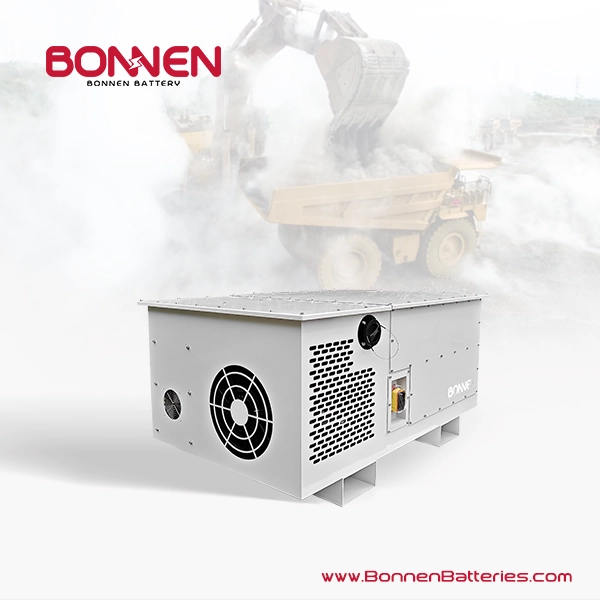
Reference high-voltage battery pack for heavy equipment

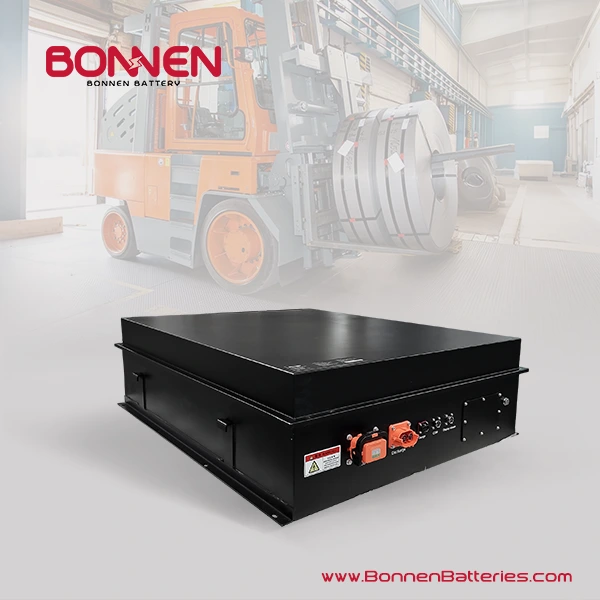
High-Voltage Pack Reference

Heavy-duty enclosure concept for high-voltage machine integration.
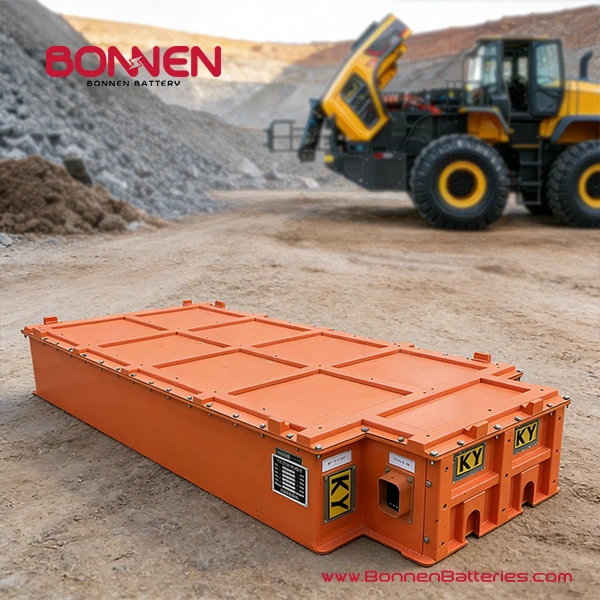
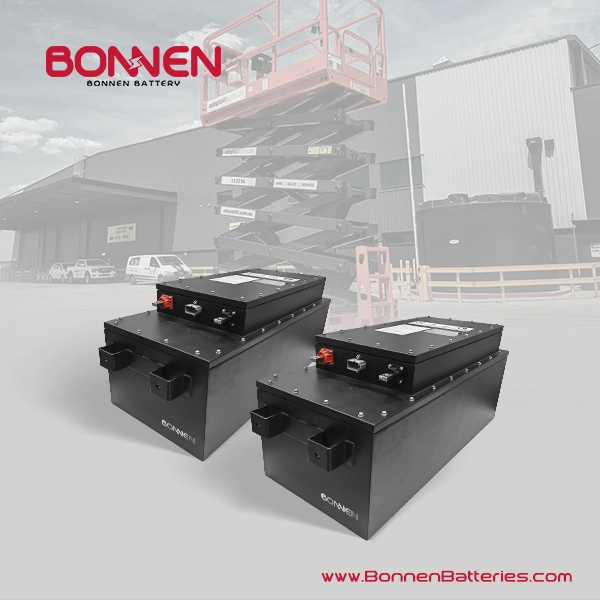
Reference modular multi-pack battery system

Multi-Pack System Reference

Modular arrangement for projects requiring distributed installation or scalable energy.
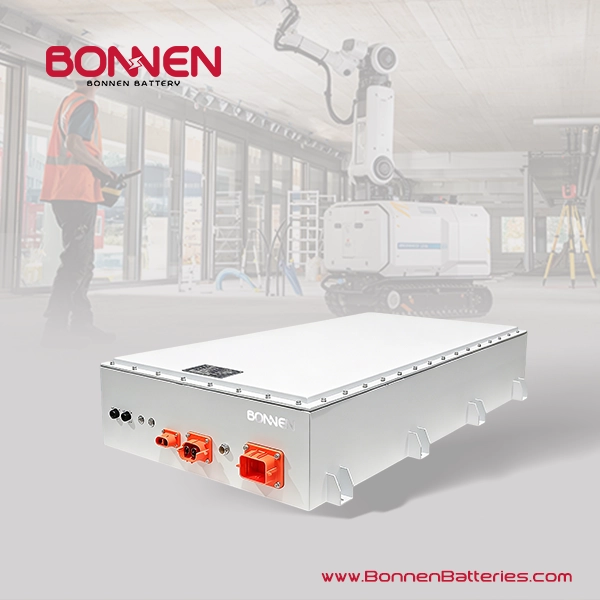
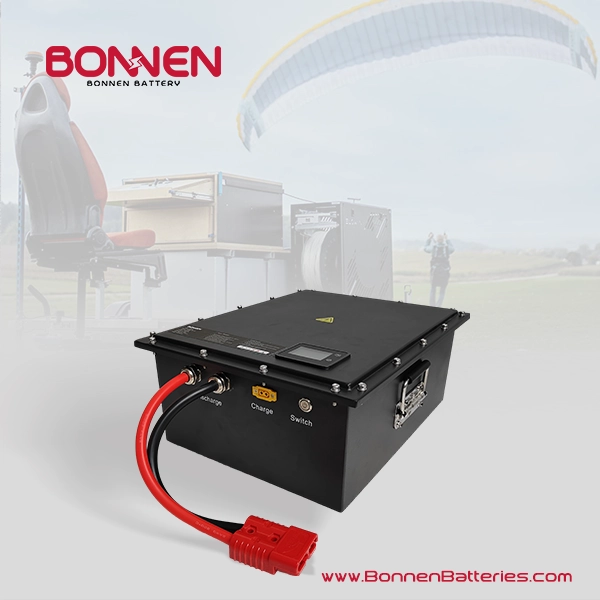
Reference 48-volt mining battery pack

48V Mining Pack Reference

Compact low-voltage pack format for selected mining and industrial equipment concepts.

OEM DEVELOPMENT PROCESS

A Practical Path from Machine Data to Production

Requirements

Review machine, load, duty-cycle, envelope and environmental inputs.

System Proposal

Define preliminary electrical, mechanical, thermal and charging architecture.

Engineering Review

Align interfaces, safety logic, drawings and validation requirements with the OEM.

Prototype & Validation

Build and evaluate the agreed system against the project test plan.

Production Support

Prepare manufacturing controls, delivery coordination and application support.

BUILD & VALIDATE

Manufacturing and Test References

Representative process scenes grounded in supplied Bonnen factory imagery. Actual inspections and validation scope are defined by the project plan.
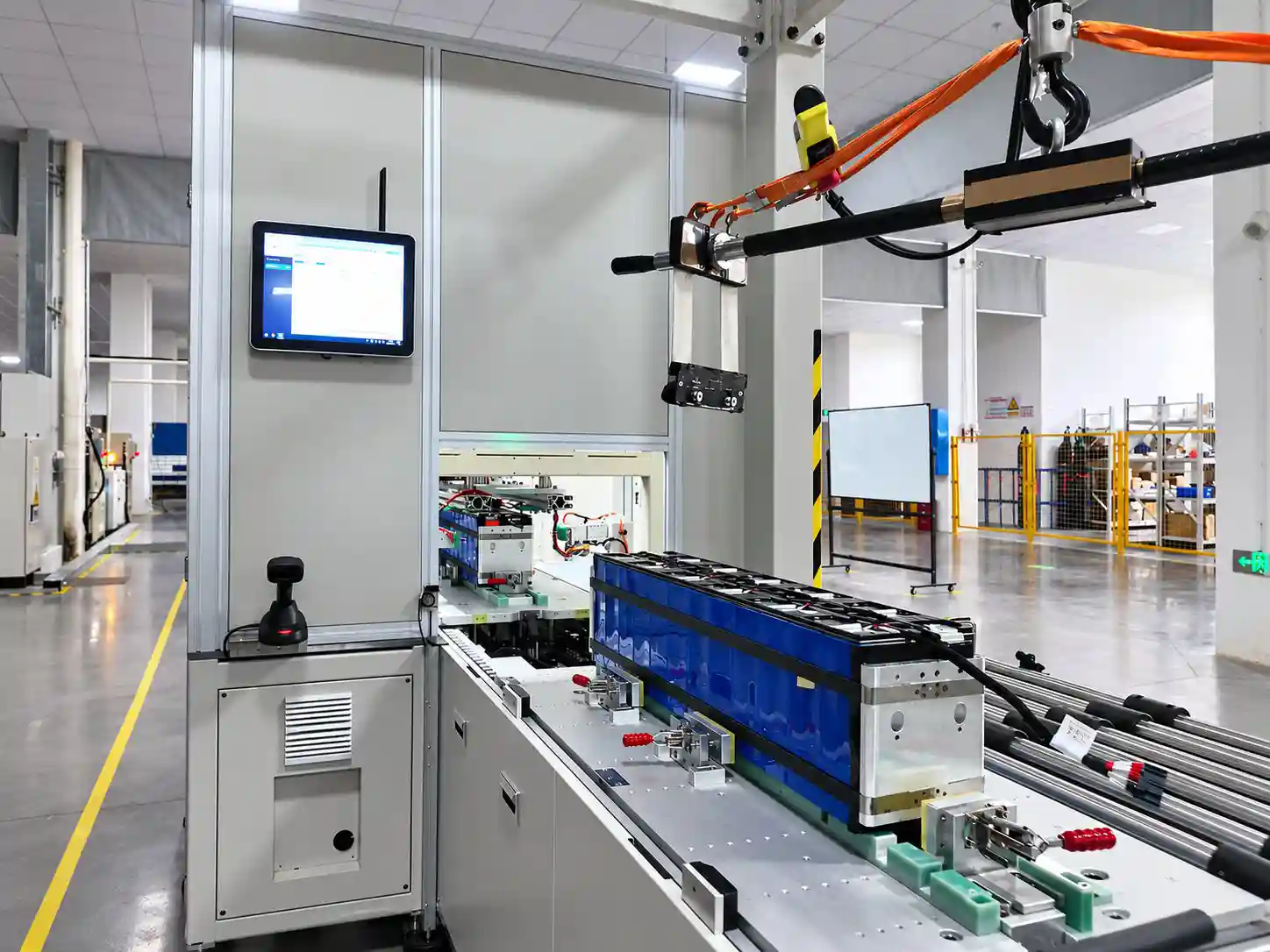
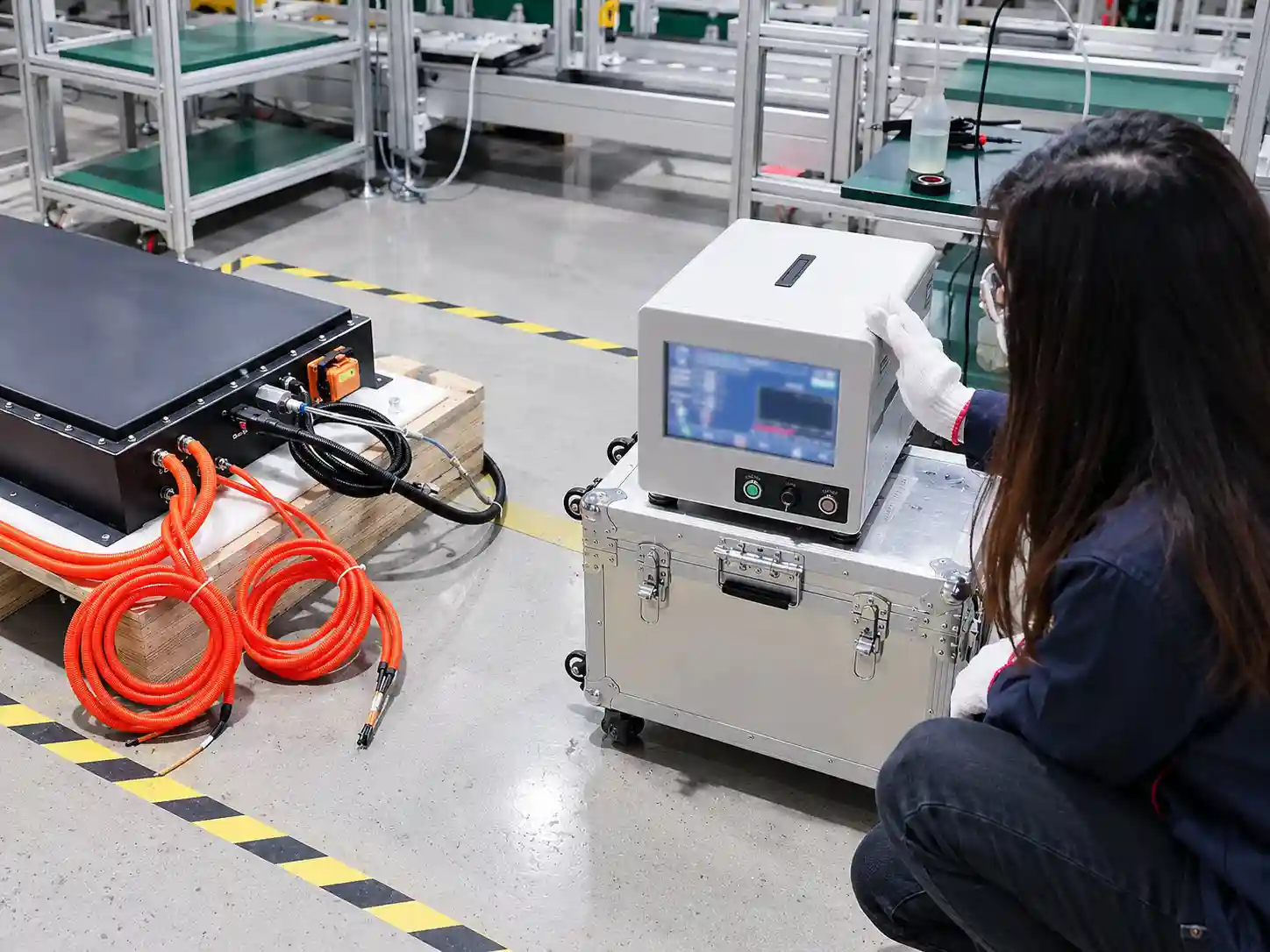
Technician working at a battery module assembly station
Module Assembly Workstation
Battery enclosure connected to leak-check equipment
Enclosure Leak-check
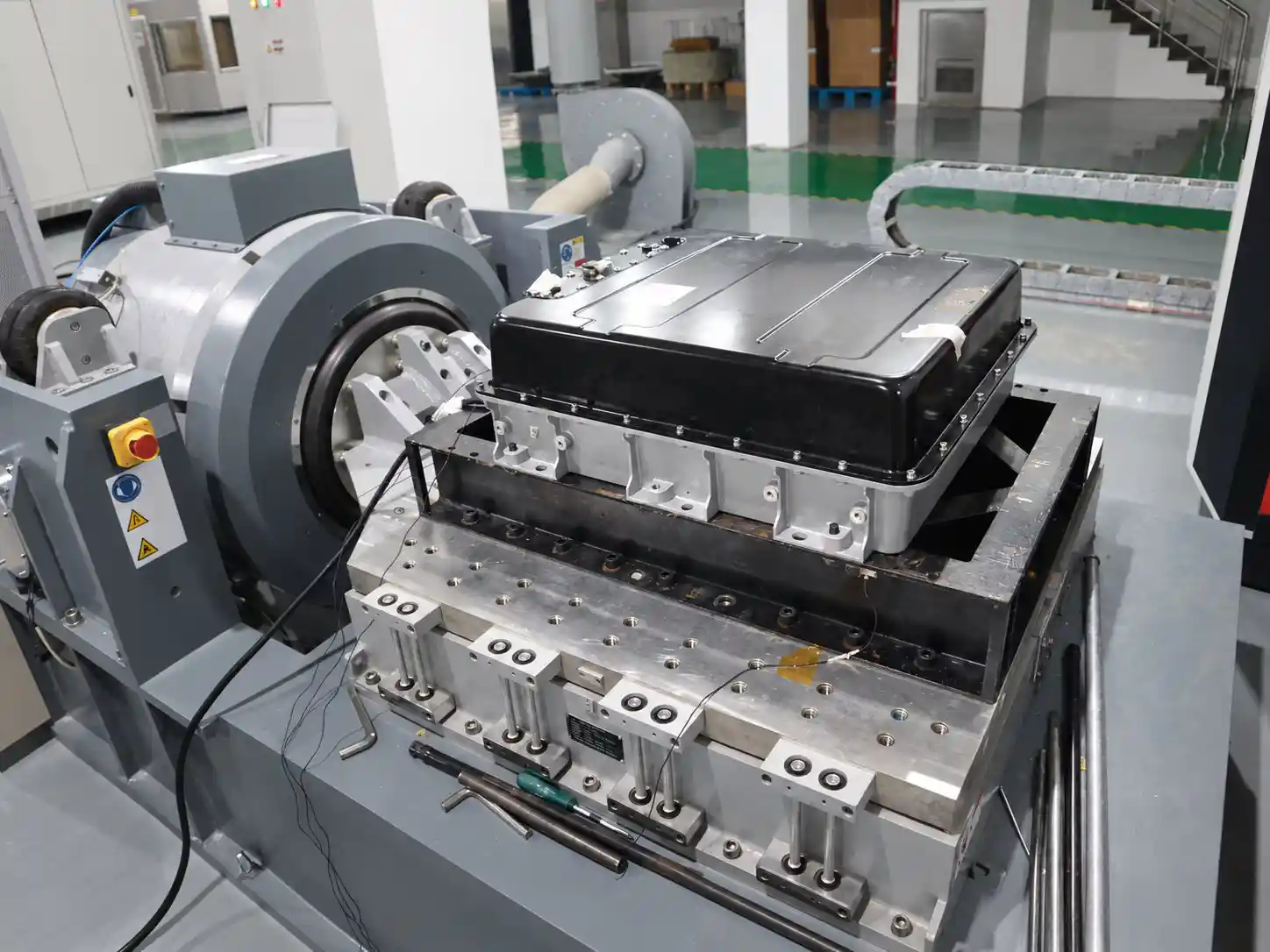
Battery pack mounted on a vibration test fixture
Vibration Test Setup
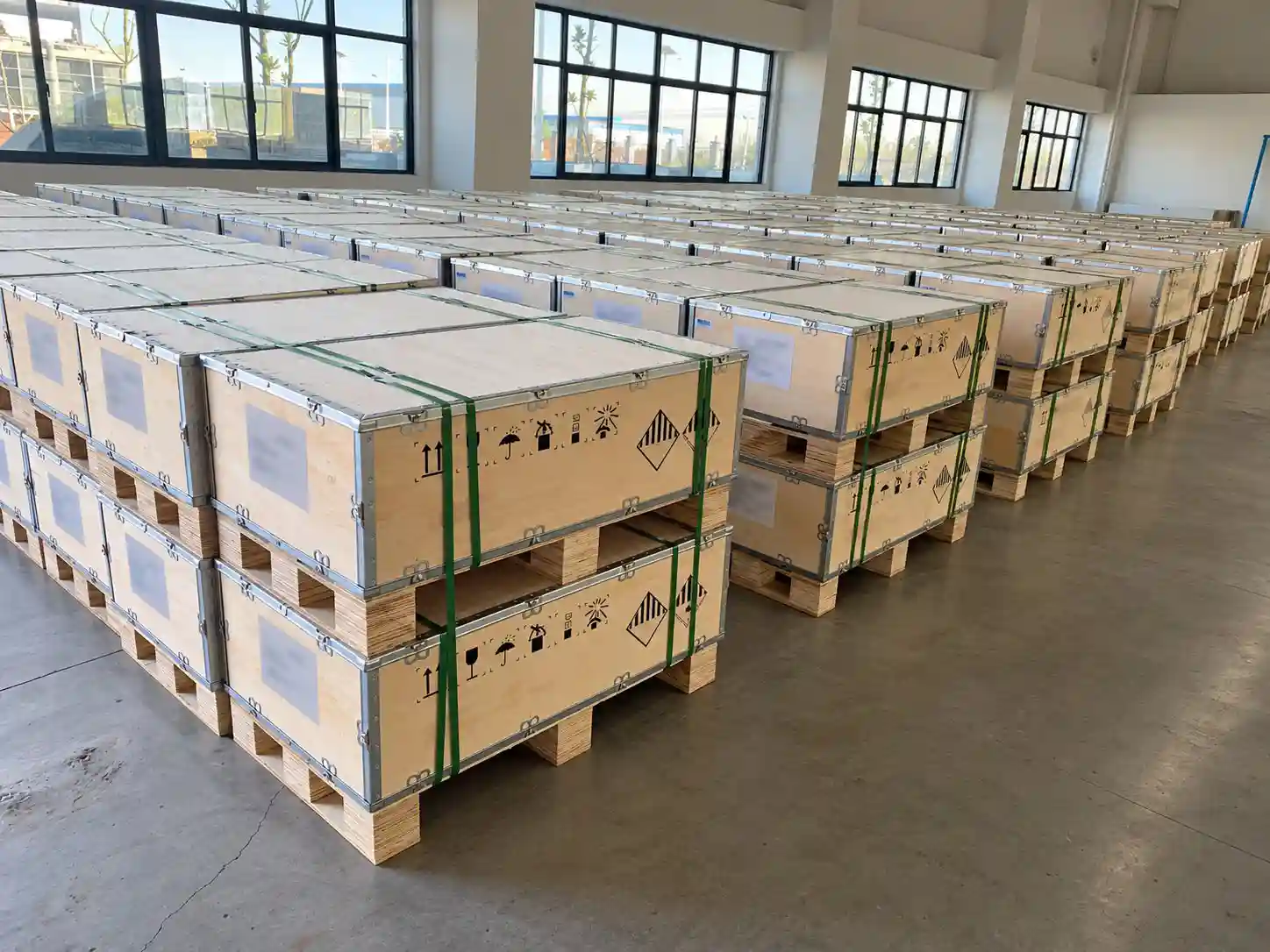
Packaged battery units prepared for shipment
Shipment Preparation

FAQs About Heavy Equipment Lithium Battery Systems

Get practical answers about battery sizing, power requirements, thermal management, BMS communication, charging, harsh-environment protection and custom lithium battery development for electric and hybrid heavy equipment.

Bonnen lithium battery systems can be engineered for a wide range of electric and hybrid heavy equipment, including mining vehicles, construction machinery, electric tractors, agricultural equipment, wheel loaders, excavators, material handling vehicles, port equipment, terminal tractors and special-purpose industrial machines. Because power demand, installation space, operating environment and duty cycle vary significantly between machines, we develop the battery system around the actual equipment requirements rather than relying on a one-size-fits-all battery platform.

Bonnen can develop heavy equipment lithium battery systems across a wide voltage range, typically from approximately 48V up to 700V depending on the vehicle architecture, motor, inverter and auxiliary systems. Lower-voltage platforms are commonly used for smaller industrial vehicles and compact equipment, while higher-voltage systems are better suited to larger machines requiring higher power with lower operating current. The final nominal voltage and operating voltage window are selected according to the electrical requirements of the complete machine.

Battery capacity should be calculated from the machine’s actual energy consumption rather than simply selecting an Ah value. We evaluate motor power, hydraulic loads, continuous and peak current, working hours per shift, duty cycle, idle time, regenerative energy, environmental temperature, charging opportunities and the desired remaining SOC at the end of operation. Based on these inputs, Bonnen can determine the required usable energy in kWh and recommend an appropriate battery capacity with sufficient performance margin for the intended application.

To begin a custom battery project, we normally need the target system voltage, motor or inverter power, continuous and peak current, required operating time, available battery compartment dimensions, maximum allowable battery weight, operating temperature range, charging requirements and communication interface. Information about hydraulic pumps, auxiliary loads, regenerative braking, installation orientation, ingress protection requirements and CAN communication is also helpful. The more complete the machine data is, the more accurately we can optimize battery capacity, power capability, thermal management and mechanical design.

Yes. Heavy equipment often requires much higher discharge power than passenger vehicles because motors, hydraulic pumps and auxiliary systems may operate simultaneously under demanding loads. Bonnen can engineer battery systems for high continuous current as well as short-duration peak current by selecting suitable cells, busbars, contactors, fuses, connectors, cooling solutions and BMS protection parameters. Continuous and peak current capability must always be defined according to the actual duration, frequency, temperature and SOC conditions of the machine.

Yes, provided the battery system is designed for the combined electrical load of the traction motor, hydraulic pump and other auxiliary equipment. In many electric construction, mining and agricultural machines, hydraulic systems can create substantial intermittent or continuous power demand in addition to propulsion. During battery sizing, Bonnen evaluates the simultaneous load profile and peak current conditions so that the battery, BMS, contactors, cables and thermal system are capable of supplying the machine without unnecessary power limitation.

Regenerative braking can be supported when the motor controller, inverter, BMS and battery system are designed to work together. The battery must be able to safely accept the regenerative charging current within the permitted SOC and temperature range, while the BMS may need to limit charging under high SOC, low-temperature or other restricted conditions. For projects using regenerative braking, Bonnen evaluates the maximum regeneration current, operating voltage window and control strategy to ensure that the battery and vehicle control system are properly coordinated.

Yes. Thermal management is selected according to battery power, cell characteristics, ambient temperature, duty cycle, charging rate and installation environment. Some heavy equipment projects can operate reliably with passive cooling or forced-air cooling, while high-power or high-energy applications may require liquid cooling to maintain more uniform cell temperatures. Heating can also be integrated for low-temperature operation when required. Bonnen determines the thermal solution during system engineering rather than applying the same cooling method to every battery.

Heavy equipment batteries can be engineered for demanding temperature conditions, but the exact operating range depends on the selected cell chemistry, discharge rate, charging strategy and thermal management system. For cold environments, battery heating can be added to improve charging and low-temperature performance, while hot-climate applications may require enhanced cooling and temperature monitoring. Bonnen evaluates the real working environment during battery development and defines appropriate temperature protection, current derating and thermal control strategies for the project.

Yes, IP65 and IP67 enclosure designs are available depending on the application and project requirements. Heavy equipment often operates in environments containing dust, mud, rain, water spray or other contaminants, so enclosure sealing, connector selection, pressure balancing and mechanical design are important considerations. The required protection level should be defined according to the actual installation position and operating conditions. Final IP performance and validation requirements are confirmed during the engineering stage for each customized battery project.

Heavy equipment battery systems require stronger mechanical design than batteries used in many light-duty applications. Bonnen considers enclosure strength, internal cell fixation, module mounting, busbar support, connector protection, sealing, vibration isolation and installation points during the mechanical design process. The battery structure can then be evaluated according to the expected shock, vibration, dust, moisture and working conditions of the equipment. Validation requirements are discussed with the customer before prototype testing to ensure that the design matches the intended machine environment.

Our battery management systems can support common industrial communication interfaces such as CAN and RS485, depending on the project architecture and BMS configuration. For OEM heavy equipment applications, the battery may need to exchange SOC, voltage, current, temperature, alarms, charging limits and operating status with the vehicle controller, inverter, charger or display. Bonnen can work with customers on CAN message mapping, communication definitions and system integration so that the battery operates correctly within the complete vehicle control architecture.

Yes. For large machines or installations where one enclosure would be too large or difficult to install, the battery system can be divided into multiple packs. These packs may operate together through a coordinated BMS architecture, high-voltage distribution system and appropriate contactor control. A multi-pack solution can improve installation flexibility, weight distribution and serviceability, but it requires careful design of pack synchronization, current sharing, communication, pre-charge, protection and isolation. Bonnen determines the appropriate architecture according to the machine layout and electrical requirements.

Yes, many heavy equipment electrification projects involve replacing an existing lead-acid battery or upgrading an older lithium battery system. However, replacement is not based on voltage and capacity alone. The new battery must also be matched to the motor controller, inverter, charger, communication protocol, current demand, installation space, weight distribution and safety architecture of the machine. Bonnen evaluates the existing electrical system and operating requirements before recommending a replacement solution to reduce integration risks.

Charging can be designed around the equipment’s operating schedule and available power infrastructure. Depending on the project, the battery may use an onboard charger, external charger or higher-power industrial charging system, with charging controlled through voltage, current and CAN communication. Bonnen considers required charging time, battery capacity, maximum cell charging rate, available AC or DC power and opportunity-charging requirements when defining the charging strategy. The charger and battery BMS should be properly matched to ensure safe and reliable charging performance.

A typical project begins with collecting the machine requirements, including voltage, power, current, runtime, installation space, environmental conditions and communication requirements. Bonnen then develops a preliminary battery system proposal covering cell configuration, capacity, BMS, thermal management, mechanical structure and electrical interfaces. After engineering review and technical confirmation, a prototype can be produced for testing and vehicle integration. Once validation is completed and any required improvements are implemented, the project can proceed to production and ongoing technical support.

Bring Us the Machine Requirements. We’ll Help Define the Battery System.

Share your voltage window, power demand, duty cycle, available space and operating environment to start an engineering discussion.

Start Your Project