
MARINE BATTERY MANUFACTURER · OEM / ODM
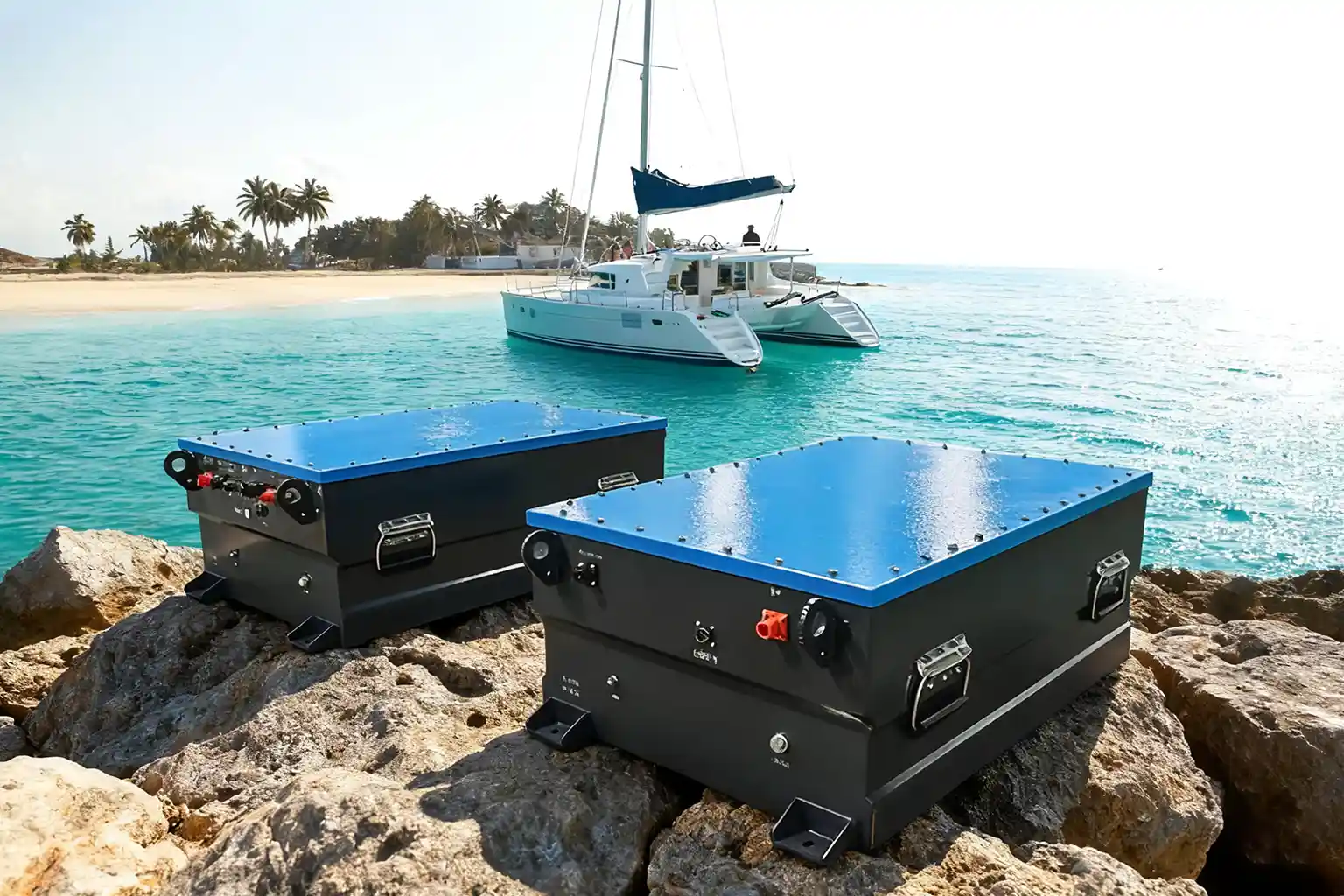
Custom Marine LiFePO4 & NMC Battery Systems for Electric Boats
48V, 72V, 96V, 144V and 300V–700V battery systems engineered around your motor, range, installation space and vessel requirements.
For electric outboards, sailboats, yachts, workboats and passenger or commercial vessels.
- IP67 Enclosure Options
- High-Current BMS
- CAN Integration
- Custom Mechanical Design
ENGINEERING PROJECT REVIEW
Tell Us About Your Boat Project
Not sure about the voltage, battery capacity or every technical detail? No problem. Share what you know—even if it is only the motor model or power—and our engineers can help define the next step.
Your current project information is enough to start an initial engineering review.
VOLTAGE PLATFORM SELECTOR
Choose the Marine Battery Platform for Your Propulsion System
Final specifications are selected from motor voltage, continuous and peak power, target runtime, available space and integration requirements.

LOW-VOLTAGE PROPULSION
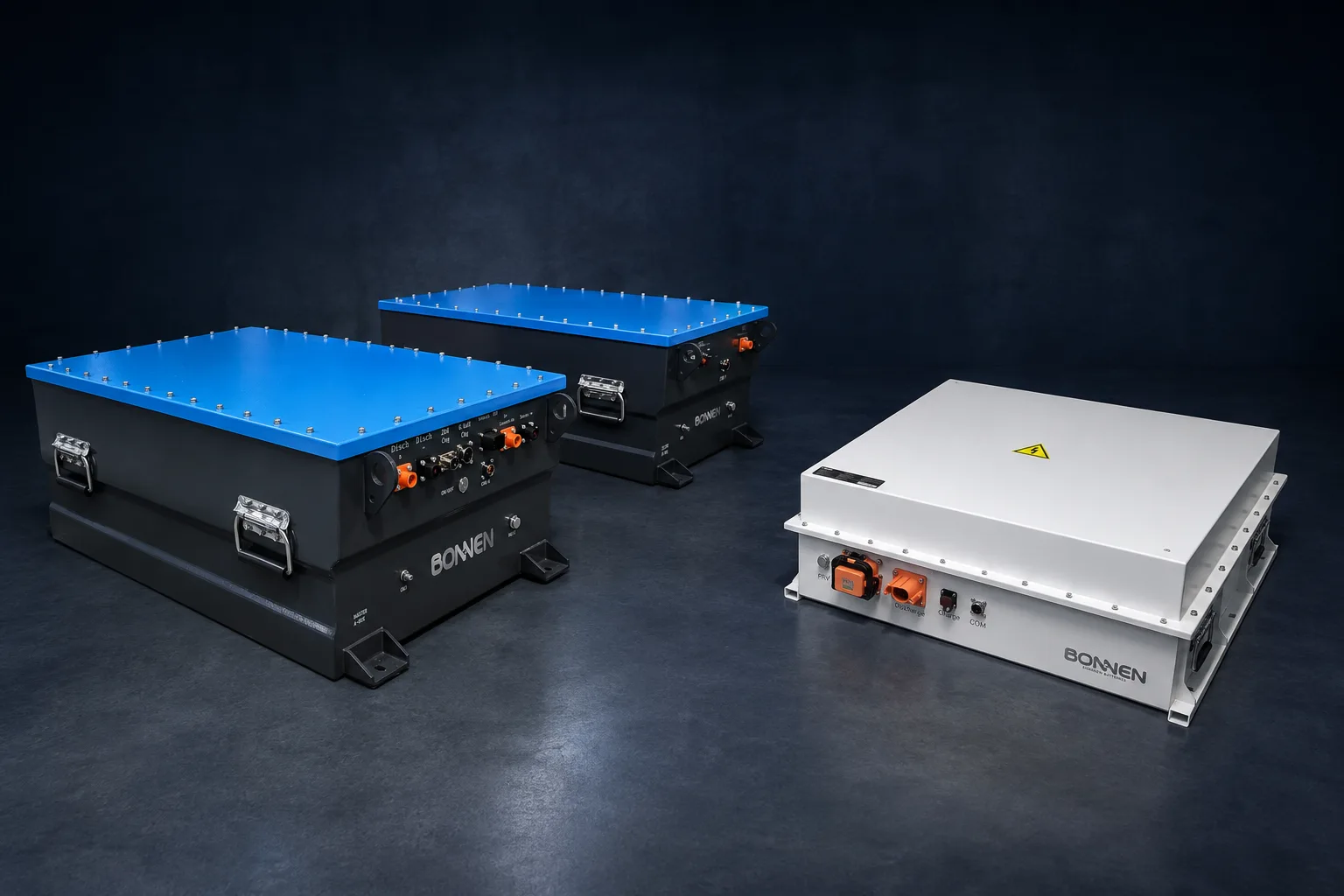
48V–72V Marine Battery Systems
A configurable 48V marine battery or 72V marine battery platform for electric outboards, tenders, sailboats, pontoon boats and small electric boats.
- 48V / 51.2V / 72V
- Custom Ah and kWh
- High-current configurations available
- CAN / RS485 options
- IP67 enclosure options
HIGH-POWER PROPULSION
96V–144V Marine Battery Systems
A 96V boat battery, 96V marine lithium battery or 144V marine battery architecture for higher-power outboards, performance boats, workboats and larger electric vessels.
- 96V / 102.4V / 115.2V / 144V
- Custom energy and discharge current
- Single-pack or multi-pack architecture
- CAN integration
- Marine enclosure options
HIGH-VOLTAGE ARCHITECTURE
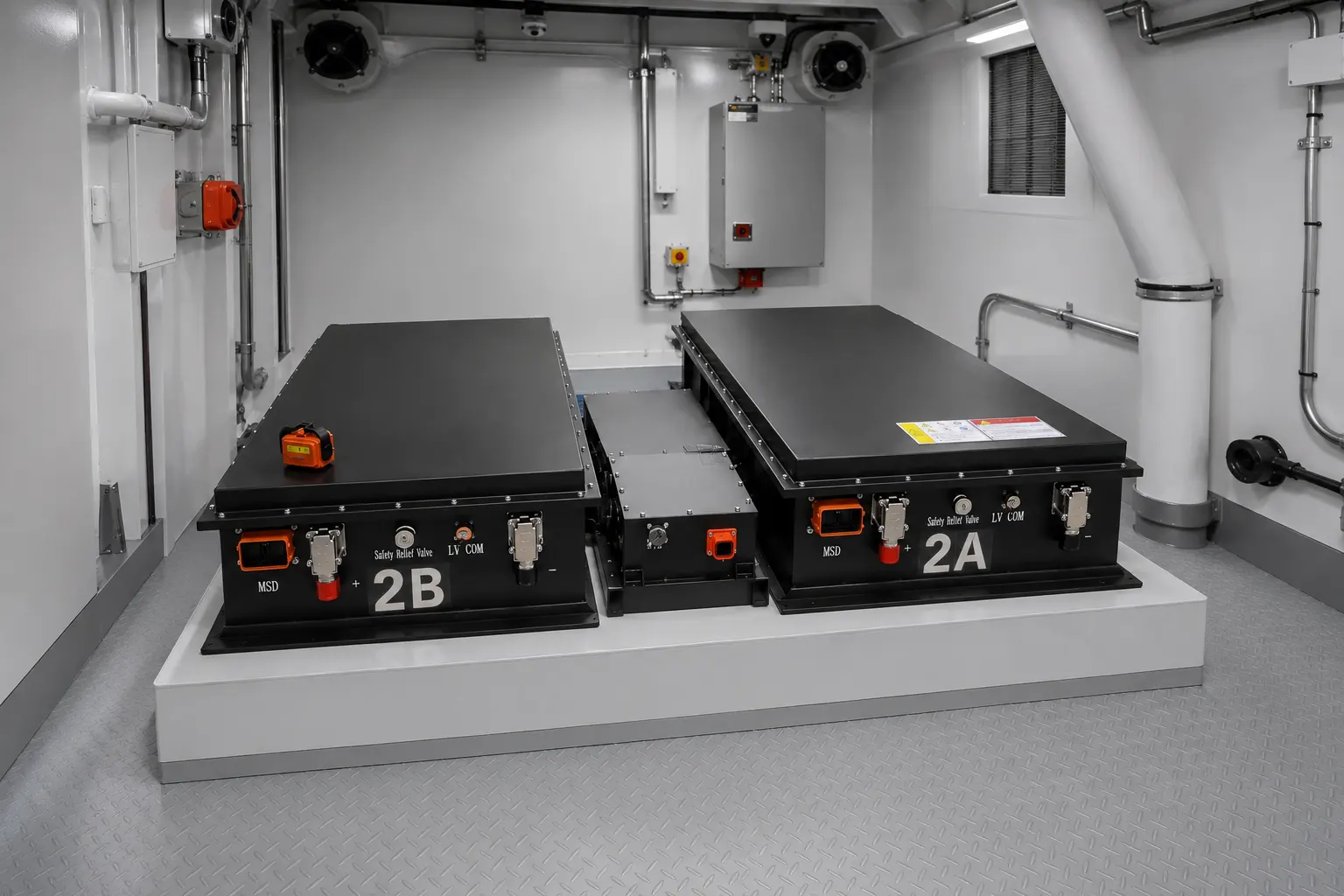
300V–700V High-Voltage Marine Batteries
A high voltage marine battery platform for electric yacht battery systems, workboats, passenger vessels and commercial vessel battery system projects.
- 300V–700V custom HV platforms
- Modular battery architecture
- HV control and insulation monitoring options
- CAN communication
- Project-specific thermal management
ENGINEERING REFERENCE POINTS
Representative Marine Battery Configurations
These examples show practical engineering foundations, not stocked products. Final voltage, capacity, current, dimensions and communication are configured for the vessel and propulsion system.
EXAMPLE CONFIGURATION · 48V CLASS
51.2V 230Ah
- Energy
- 11.8kWh
- Continuous
- 230A
- Peak
- 500A
- Enclosure
- IP67
EXAMPLE CONFIGURATION · 96V CLASS
96V 200Ah
- Energy
- 19.2kWh
- Current
- Configured to motor requirements
- Communication
- CAN available
- Enclosure
- IP67
EXAMPLE CONFIGURATION · HV CLASS
300V–700V Custom HV Platform
- Energy
- Custom kWh
- Architecture
- Modular
- Control
- CAN and HV system control
- Thermal
- Project-specific strategy
SYSTEM INTEGRATION
A Battery System Engineered Around Your Boat
A marine propulsion battery is defined by the complete electrical and mechanical system—not voltage alone.
- 01Charging SourceProject-defined input
- 02Battery SystemBMS protection and switching
- 03Motor ControllerCAN-compatible interface
- 04Electric MotorPropulsion load
The diagram describes interfaces; third-party charging, controller and motor equipment remain project-specific.

Inputs Our Engineers Evaluate
- Motor voltage
- Continuous and peak motor power or current
- Target cruising time, duty cycle or range
- Available battery compartment dimensions
- Weight distribution and mounting constraints
- Charging source, power and desired charge time
- CAN/RS485 communication and controller compatibility
- Temperature, humidity, salt exposure and service access
If some project data is not available yet, send the motor model and the information you already have. We can help identify the remaining inputs.
Get My Battery RecommendationMARINE ENGINEERING PRIORITIES
Built for Marine Propulsion
Marine Enclosure Design
IP67 enclosure options, sealing details, structural support and mounting are confirmed against the vessel environment and installation.
Grade-A Prismatic LiFePO4 & NMC Cells
LiFePO4 or NMC chemistry is selected according to vessel voltage, required energy density, discharge power, installation space and operating profile.
High-Current BMS
Continuous and peak current, protection thresholds, contactors and HV architecture are configured around propulsion demand.
CAN Integration
Communication is matched with the motor controller, charger and vessel system interfaces defined for the project.
Custom Mechanical Design
Enclosure geometry considers compartment size, mounting points, service clearance and onboard weight distribution.
Thermal Management
Passive or active thermal strategies are selected from power, duty cycle, ambient conditions and installation constraints.
PROPULSION APPLICATIONS
Marine Applications
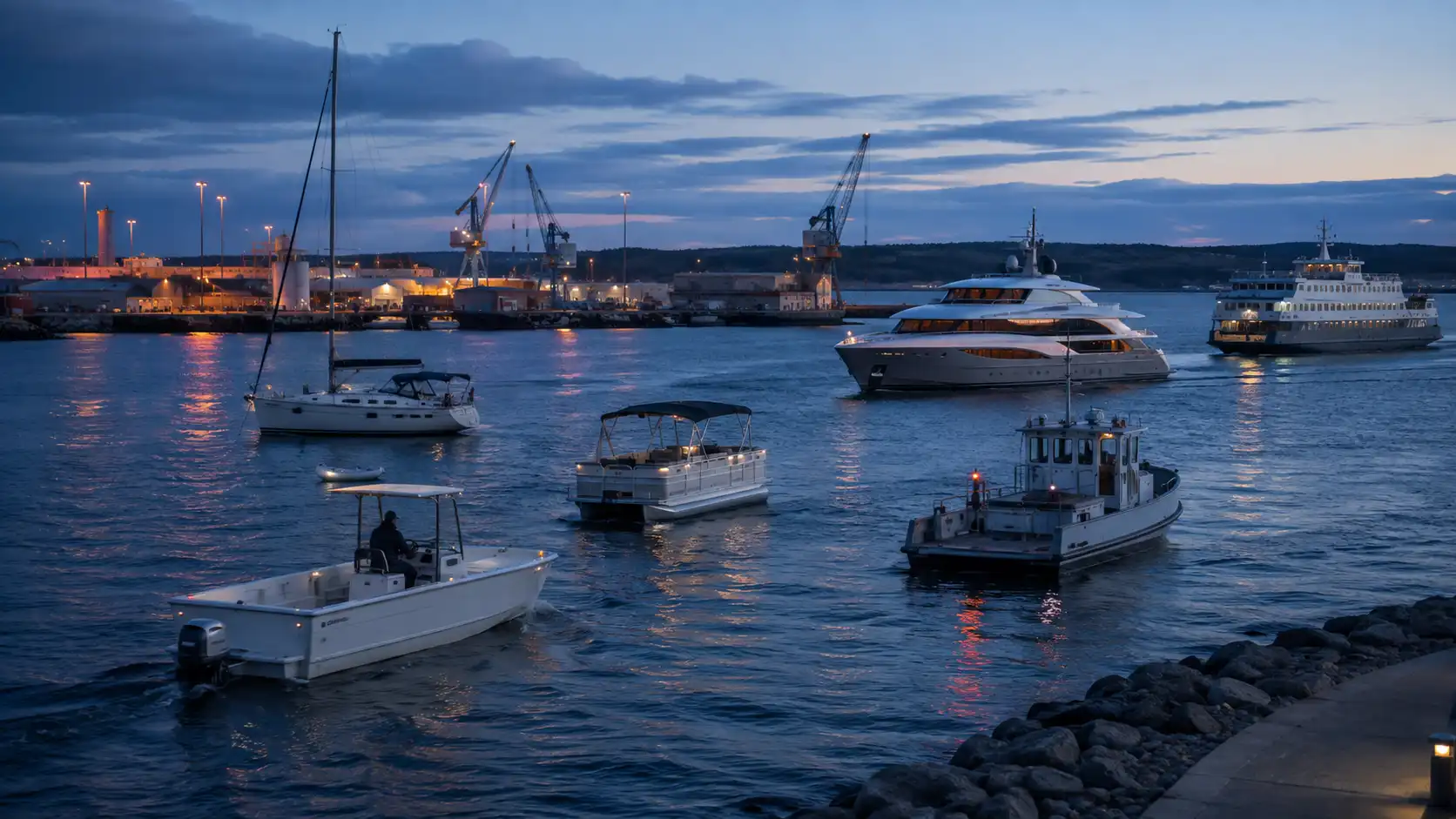
Electric Outboards & Small Boats
Compact systems are configured around outboard voltage, peak current, runtime and available onboard space.
Sailboats & Tenders
Battery architecture balances quiet propulsion, charging windows, packaging and dependable low-speed operation.
Pontoon Boats
System sizing considers cruising duty, passenger load, deck arrangement and the selected electric drive.
Workboats
Commercial duty cycles drive decisions on usable energy, peak load, service access and charging strategy.
Electric Yachts
Higher-voltage modular systems can be engineered around propulsion power, range, space and vessel integration.
Passenger & Commercial Vessels
Project-specific architectures coordinate HV control, communications, thermal needs and operational schedules.
PROJECT DEVELOPMENT
From Motor Specifications to a Production-Ready Battery System
- 01
Project Review
Collect motor, runtime, space, charging and communication information.
- 02
Electrical & Mechanical Design
Confirm architecture, BMS, drawings, mounting and system interfaces.
- 03
Prototype & Validation
Build samples and complete project-relevant checks against confirmed requirements.
- 04
Production & Delivery
Support production, documentation and dangerous-goods shipping preparation.
PROJECT SUPPORT
Engineering Support from Initial Review to Global Delivery
ENGINEERING
10+ Years of Battery Engineering Experience
Electrical and mechanical design support extends from early requirements through prototypes and small-batch projects.
MANUFACTURING
Controlled Pack Assembly
Cell matching and traceability, pack assembly, end-of-line checks and ISO 9001 quality management support repeatable production.
DOCUMENTATION & SHIPPING
Prepared for Global Project Delivery
UN38.3/MSDS documentation is available alongside dangerous-goods packaging and sea or air shipping options.
FAQs About Custom Marine Lithium Battery Systems for Electric Propulsion
You need more than just a single lithium ion battery pack. You need a veteran manufacturer who has been in the field for 10+ years to save your project time, build your brand and grow your profits. Let Bonnen Battery help you achieve business success.
START WITH WHAT YOU KNOW
Send Us Your Motor Specifications—Even If the Project Is Still Early
Share the voltage, power, target runtime and available space you know today. Our team can help define the remaining battery requirements.