
OEM / ODM Battery Solutions
Custom Electric Scooter & Motorcycle Battery Packs
Share your scooter or motorcycle's available battery space, voltage range, motor-controller demand, charging method, operating conditions, and target market. Bonnen develops project-specific lithium battery packs around those electric two-wheeler requirements.
NMC or LiFePO4 chemistry, enclosure architecture, connectors, and BMS functions are evaluated against each project's requirements.
Application Fit
Start with the scooter or motorcycle platform
Battery requirements change with packaging, peak load, charging access, handling, and service expectations. Select the closest application to frame the engineering conversation.
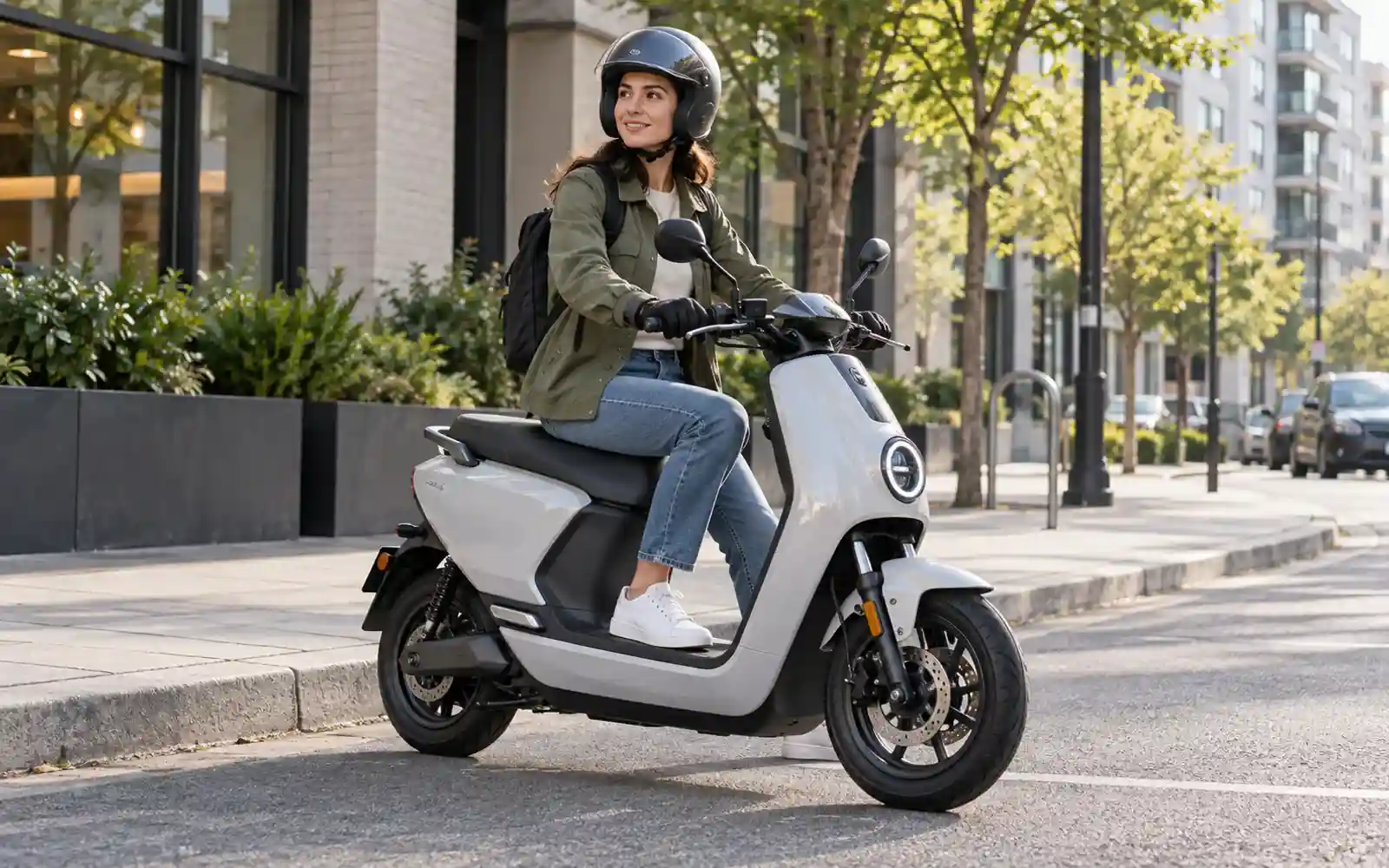
Urban Mobility
Electric Scooters & Mopeds
Balance the available space, carrying weight, charging routine, and everyday duty so the pack supports practical urban use.
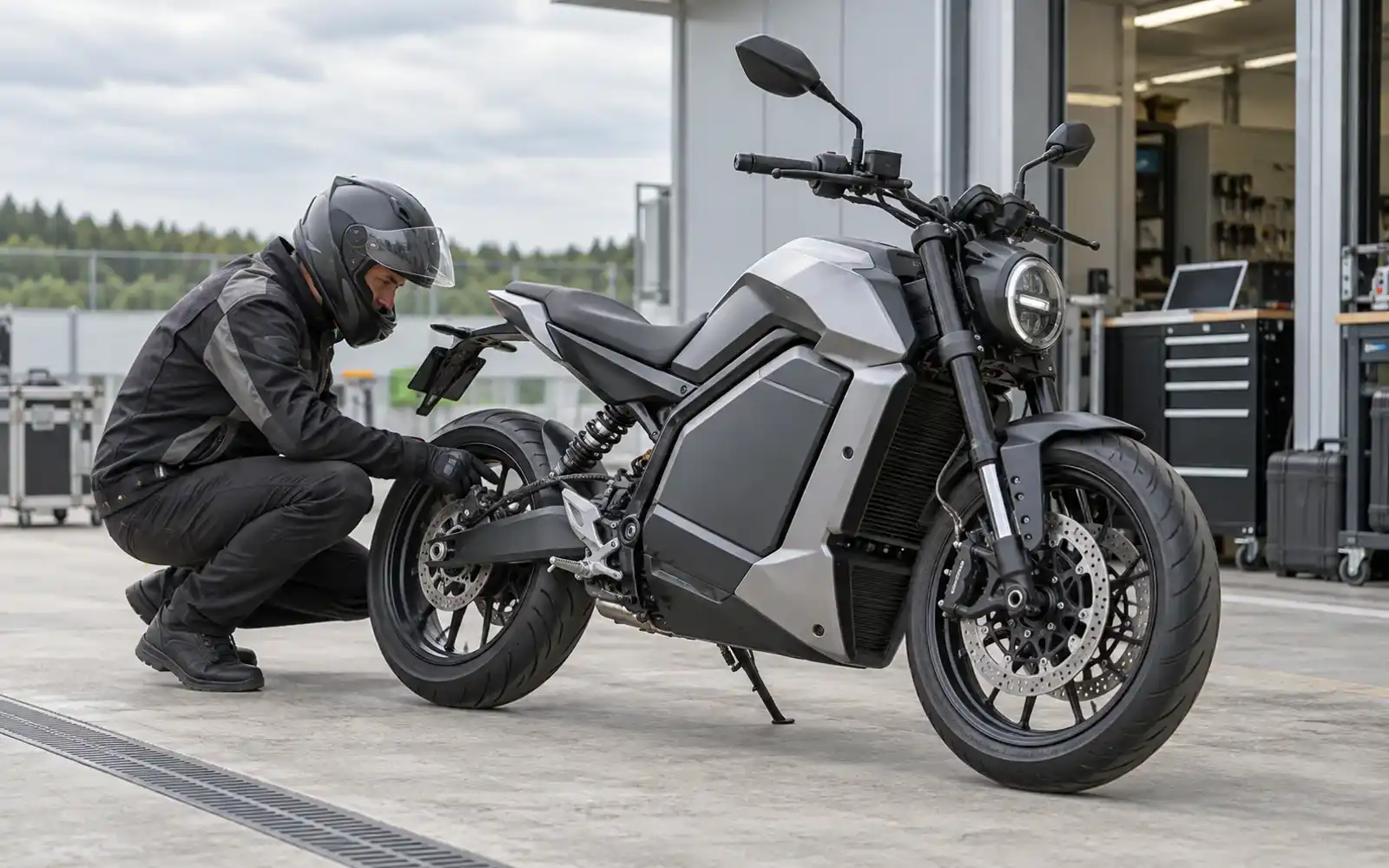
Higher-Demand Platforms
Electric Motorcycles & Dirt Bikes
Review controller limits, current demand, mounting points, thermal conditions, and the mechanical loads of demanding operation.
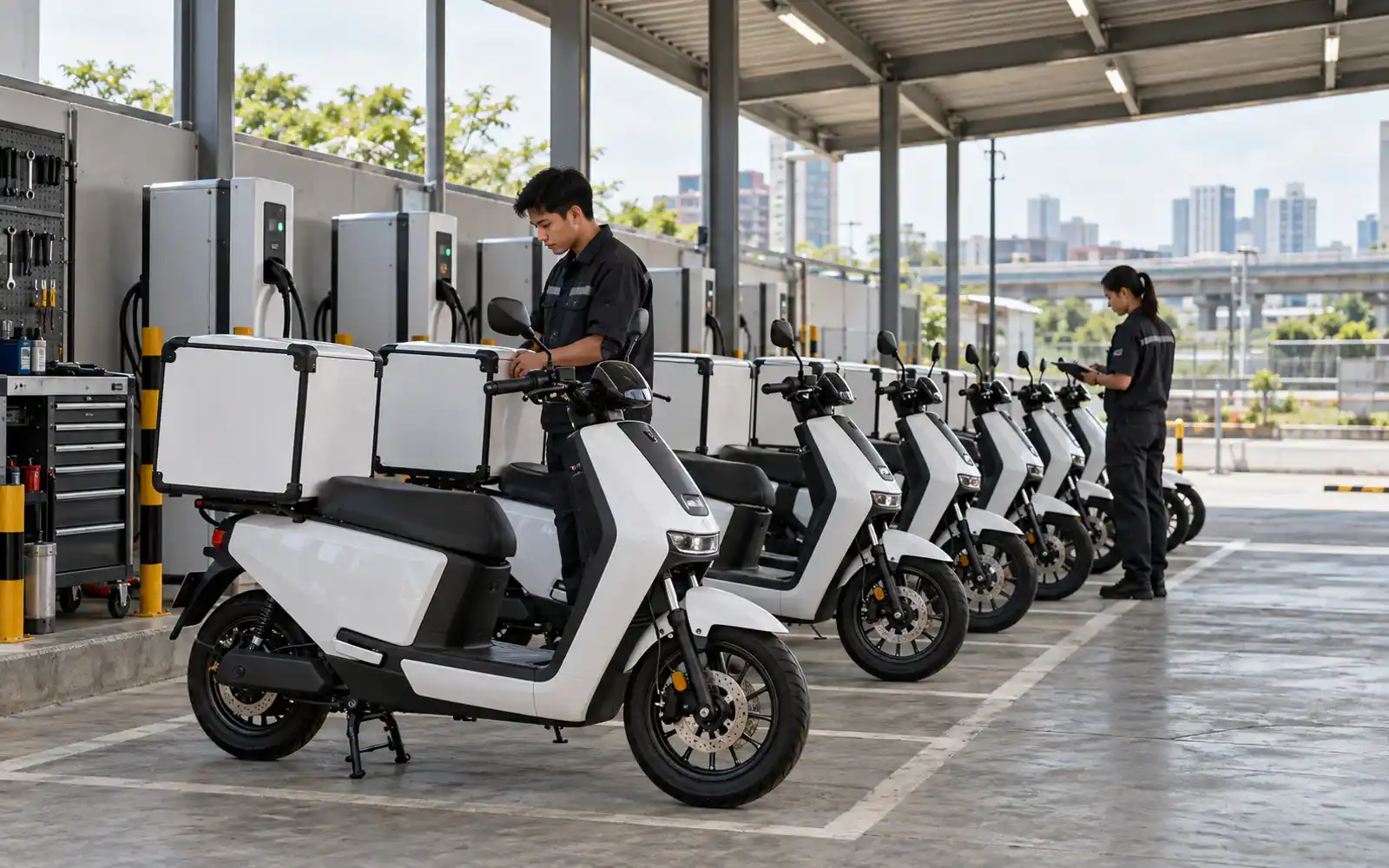
Operational Consistency
Delivery & Rental Fleets
Account for frequent use, charging schedules, service access, pack consistency, and the operating routines of a managed fleet.
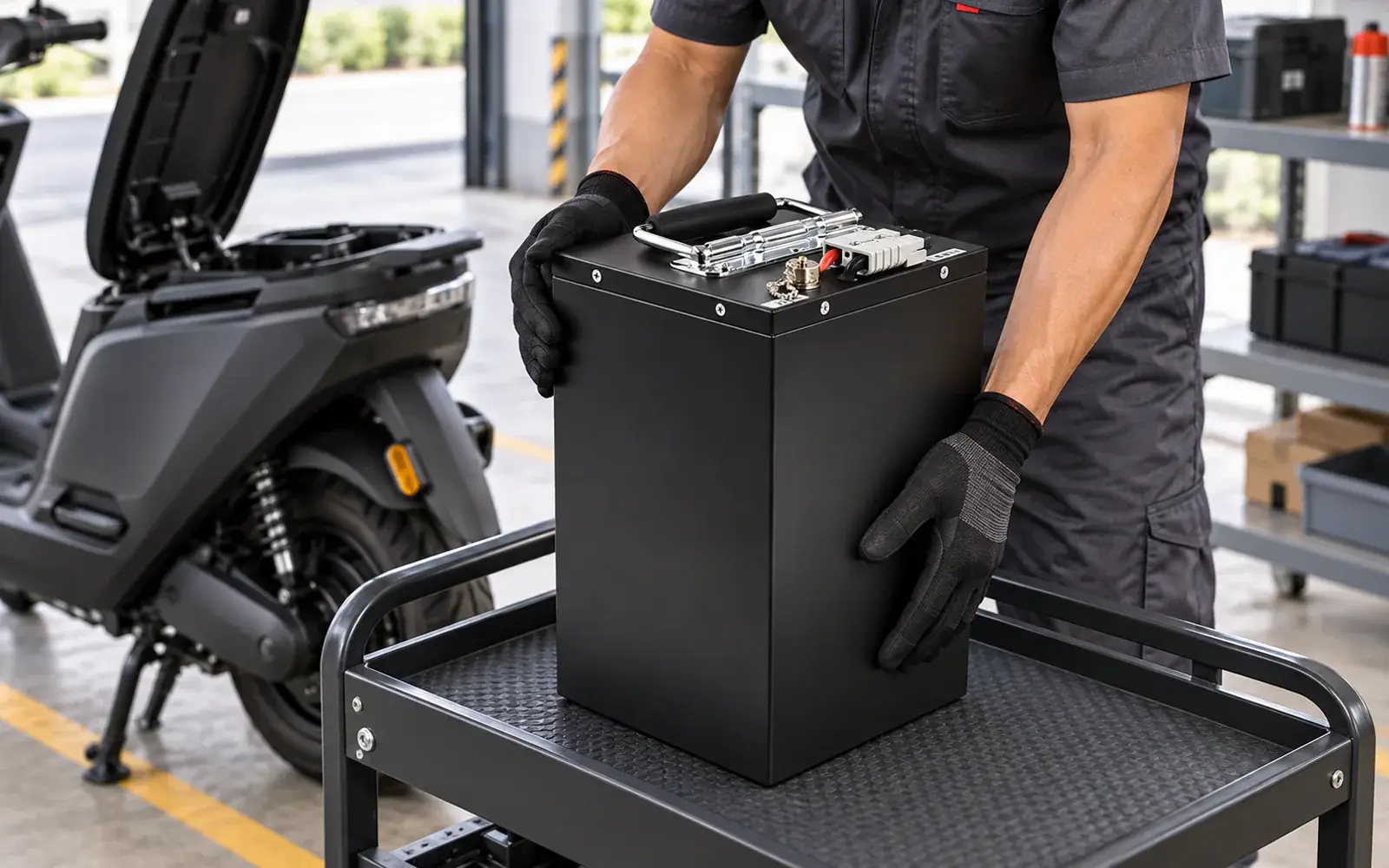
System Integration
Battery Swapping Systems
Coordinate pack handling, connector mating, communication logic, scooter or motorcycle fit, and station-side requirements as one integrated system.
Voltage Guide
A project class, not a complete specification
48V, 60V, 72V, and 96V are useful market groupings. Final electrical architecture depends on the cell configuration, operating window, load profile, and system interfaces.
| Project class | Often considered for | Engineering questions |
|---|---|---|
| 48V | Compact scooters and light urban platforms | Packaging efficiency, daily charging, total two-wheeler weight, and service access |
| 60V | Scooters and mopeds with broader duty requirements | Controller demand, thermal environment, enclosure fit, and charging plan |
| 72V | Performance scooters, motorcycles, and fleet platforms | Peak current, communication, mechanical retention, and protection strategy |
| 96V | Higher-voltage electric motorcycles and specialist two-wheeler projects | System isolation, controller window, connector selection, and integration review |
Representative Battery Packs
Explore battery pack starting points for scooters and motorcycles
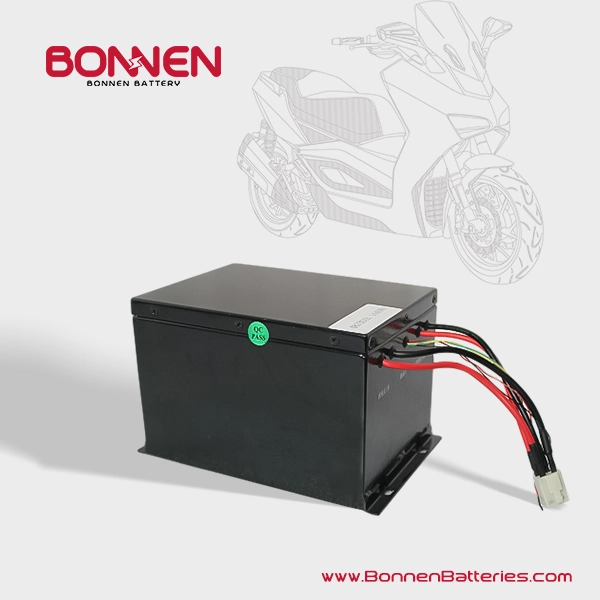
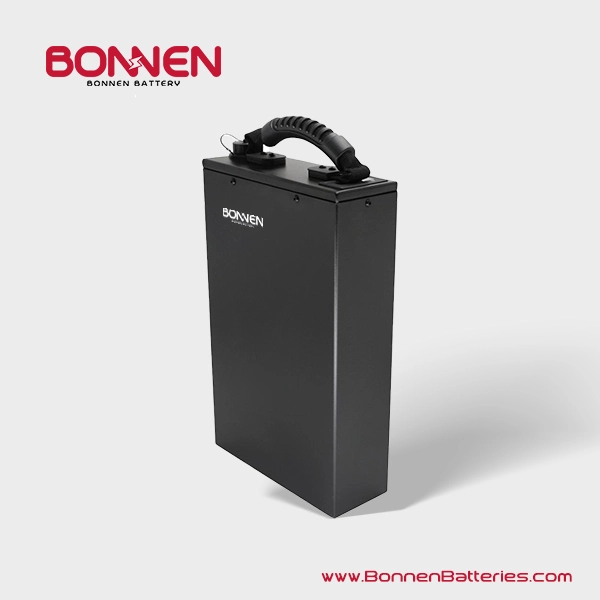
Review representative voltage classes and enclosure formats below. These examples are starting points for OEM/ODM discussion; final voltage, capacity, dimensions, BMS, connector, and enclosure are confirmed around your electric two-wheeler platform.



Engineering Integration
Build the pack around the electric two-wheeler system
A workable battery specification connects electrical targets with physical packaging, protection logic, connectors, charging, mounting, service, and the conditions the scooter or motorcycle will actually face.
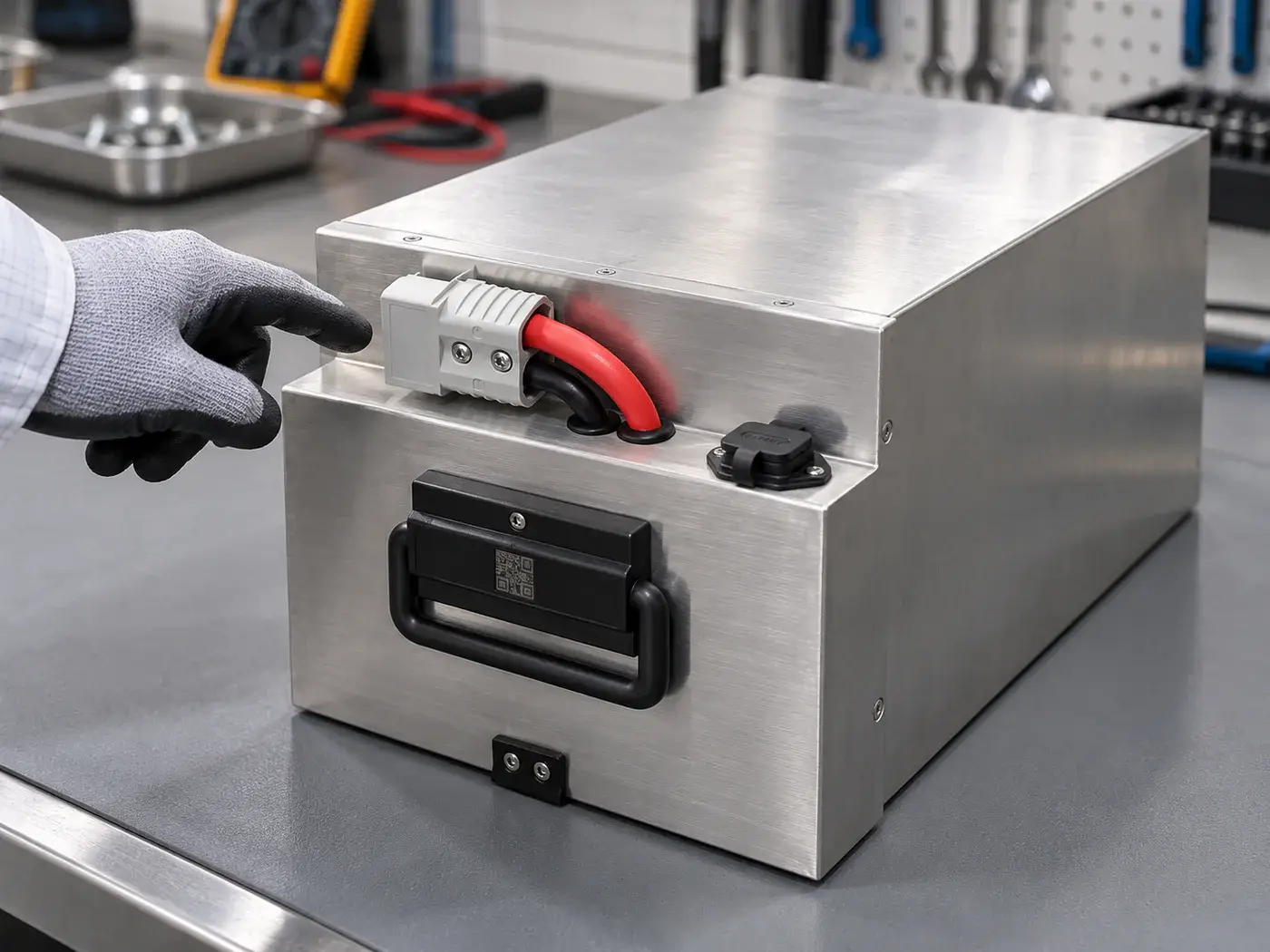
Enclosure decisions reach beyond dimensions
Material, sealing approach, carry features, fastening, cable exits, service access, and connector orientation should be reviewed together against the installation space and handling method.
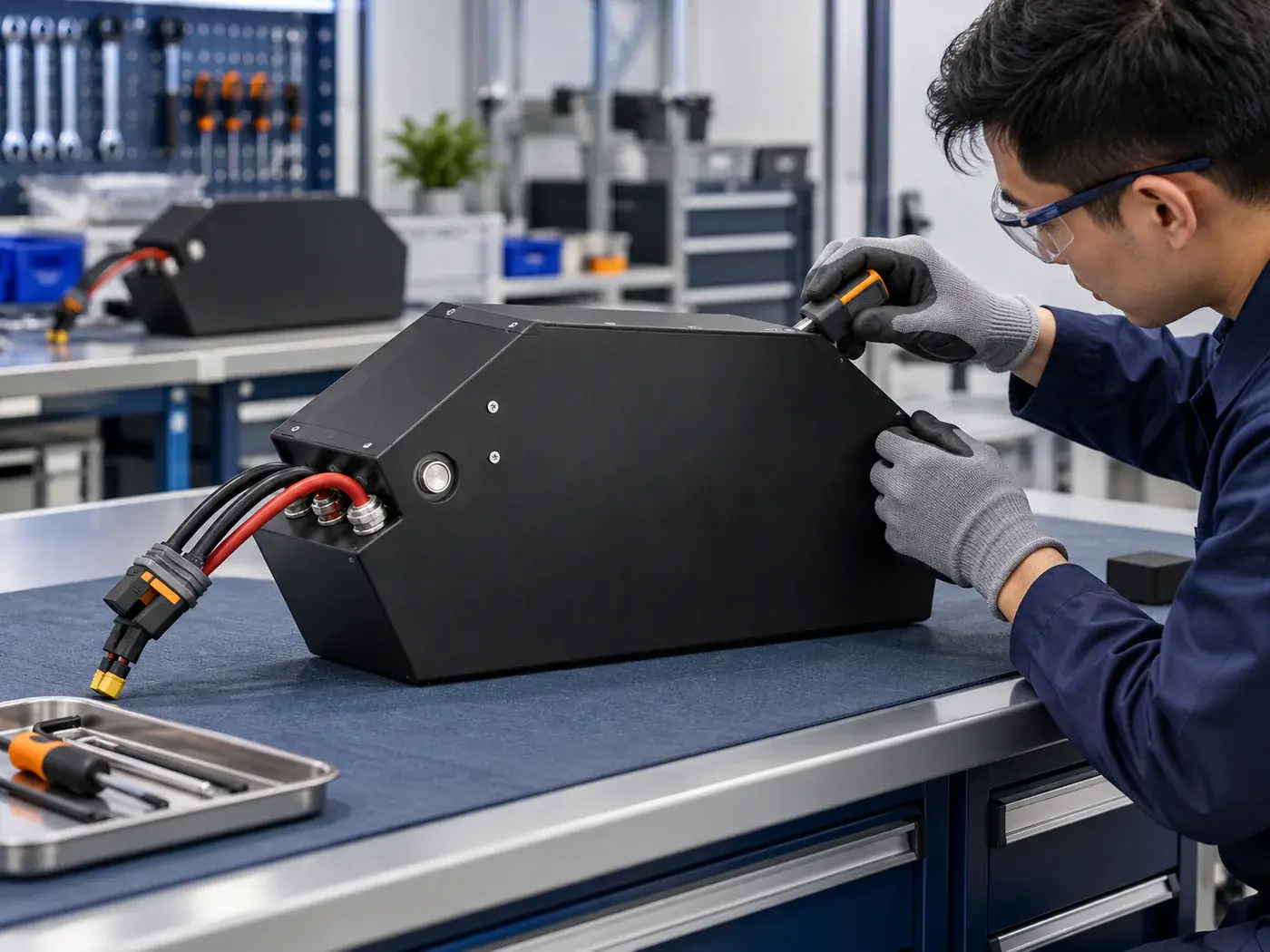
Confirm interfaces before prototype release
Mounting clearances, controller limits, charging inputs, communication needs, connector access, and cable routing are reviewed as project-dependent interfaces rather than assumed from voltage alone.
Chemistry & Configuration
NMC or LiFePO4 selection and cell configuration are matched to packaging, energy, power, operating window, and lifecycle priorities for the specific programme.
BMS, Protection & Communication
Protection thresholds, contactor or switching strategy, CAN, UART, RS485, and remote-monitoring needs are defined where applicable to the electric two-wheeler architecture.
Enclosure, Mounting & Connectors
Mechanical fit, ingress objectives, vibration exposure, cable routing, connector mating, locks, handles, and mounting features are resolved as one interface package.
Swappable System Integration
Where required, pack handling, connector cycles, alignment, communication, charging control, pack retention, and station interactions are reviewed together.
Manufacturing & Quality
Translate the approved design into controlled work
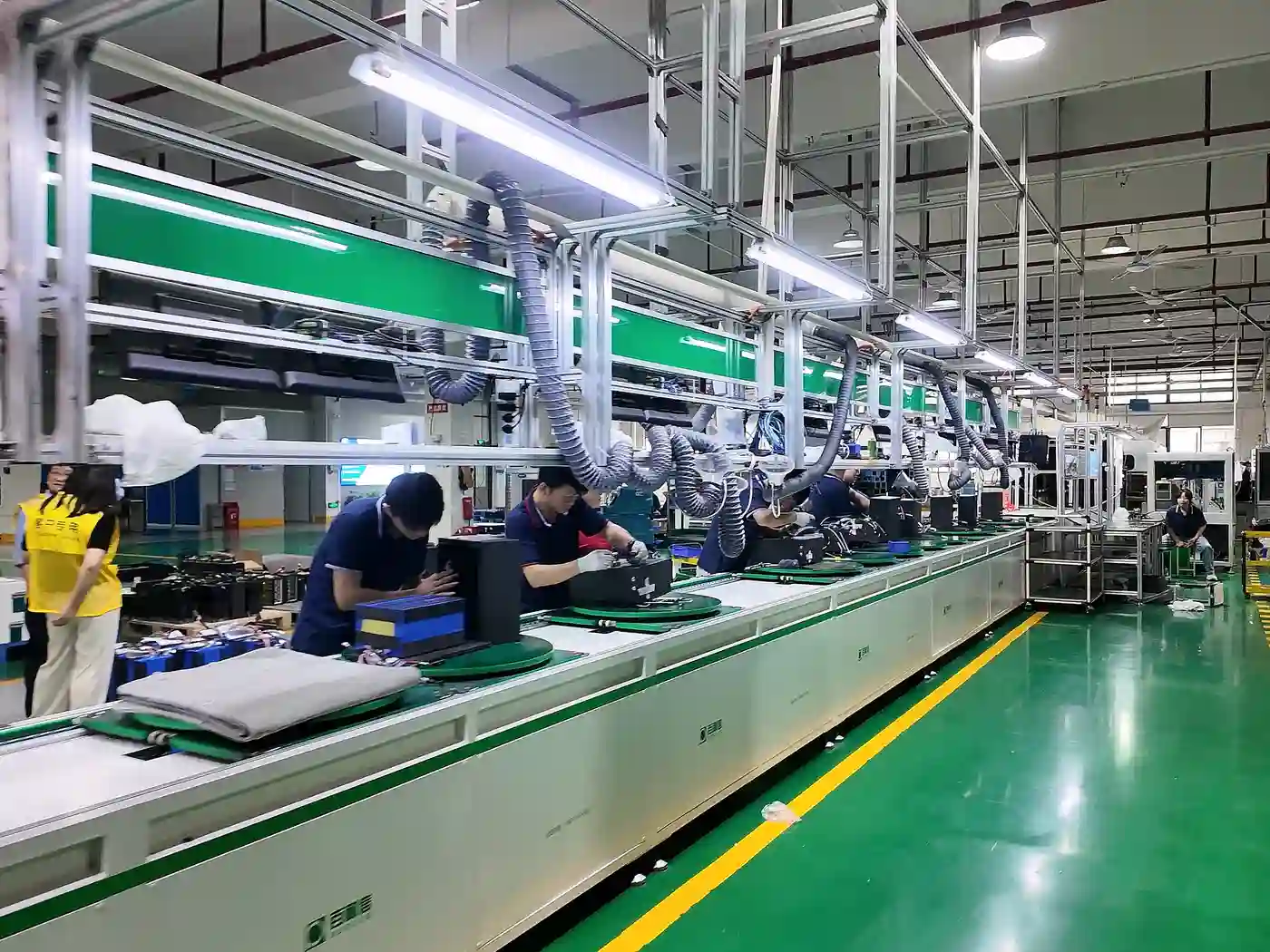
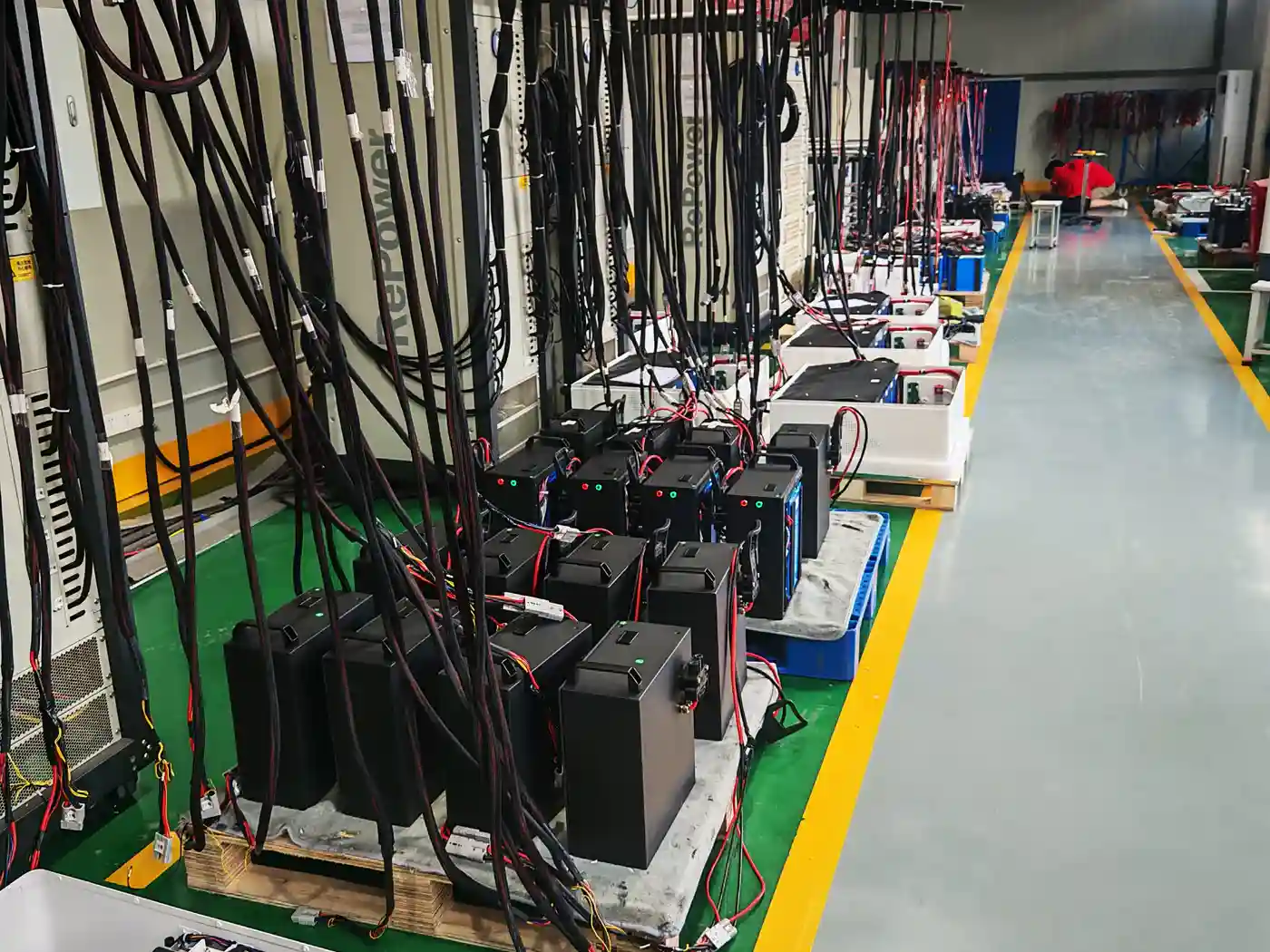
Process and validation details depend on the project. The practical objective is traceable material handling, controlled assembly, agreed functional checks, and documented final inspection.
Incoming checks
Verify agreed materials and components before controlled production use.
Assembly control
Manage work instructions, traceability, connection quality, and process checkpoints.
Functional testing
Apply project-specific electrical and communication checks to the completed pack.
Final inspection
Review enclosure condition, interfaces, records, and release requirements before shipment.
OEM Development Path
Move from inputs to production approval
The sequence stays clear while the scope, documentation, validation plan, and timing remain aligned to the actual project.
- 01
Requirements
Share the available battery space, voltage window, load profile, charging, interfaces, target market, and operating conditions.
- 02
Design review
Align the cell configuration, BMS, enclosure, connectors, mounting, documentation, and validation approach.
- 03
Prototype
Build the agreed configuration for interface checks and early performance evaluation.
- 04
On-bike validation
Evaluate fit, communication, charging, controller interaction, handling, and project-specific test items on the scooter or motorcycle.
- 05
Production approval
Close agreed changes, confirm release documentation, and approve the controlled production configuration.
FAQs About Electric Scooter & Motorcycle Batteries
Get clear answers to common questions about custom lithium battery specifications, BMS integration, safety, and OEM manufacturing for electric scooters and motorcycles.
Start the Engineering Conversation
Bring us your scooter or motorcycle battery requirements
Share the available space, voltage window, capacity target, controller and charging details, communication needs, connector preferences, operating conditions, target market, and expected programme volume. We will use those inputs to frame the next engineering review.