Last Updated on 11/08/2026 by Bonnen Battery
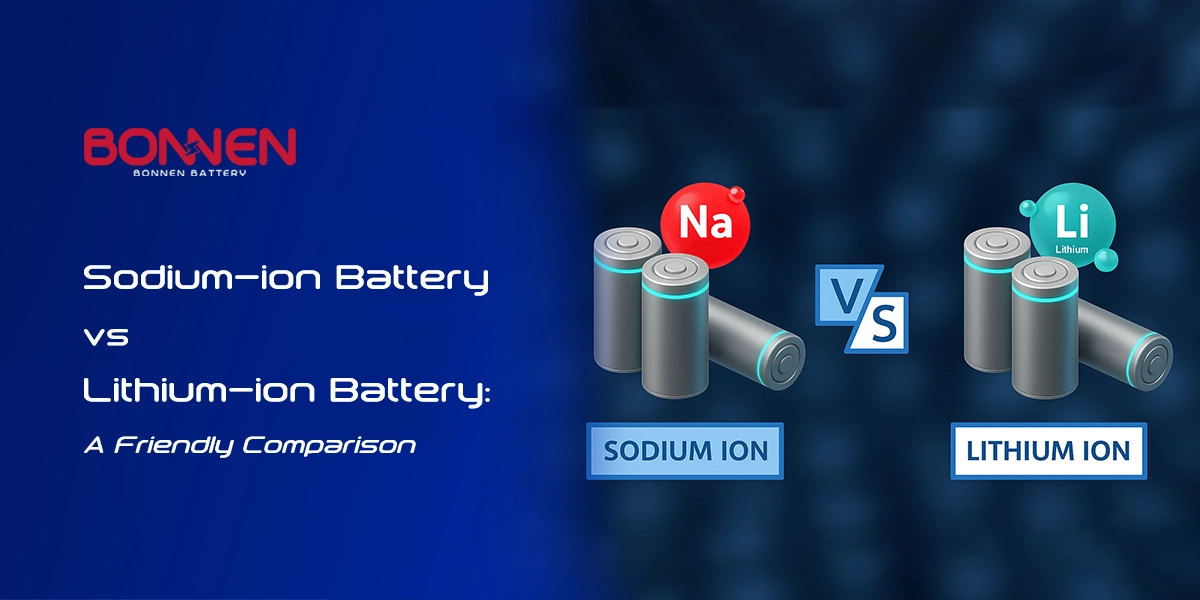
Sodium-ion Battery vs Lithium-ion Battery: A Friendly Comparison (2026 Update)
Have you heard of sodium-ion batteries ⇱? They’re kind of like the new kid on the block next to the familiar lithium-ion batteries that power our phones, laptops, and electric cars ⇱. Both of these batteries store energy in a similar way – they move charged atoms (ions) back and forth to make your devices tick. The big difference is that lithium-ion batteries use lithium ions, while sodium-ion batteries use sodium ions – basically, lithium is being swapped out for a common material (salt!). Sodium is a silvery, abundant metal found in sea salt and the earth’s crust, which makes sodium-ion batteries potentially much cheaper to make.
In this friendly blog, we’ll break down how sodium-ion battery vs lithium-ion battery compares across five key areas to help you understand the differences more clearly: Electrochemical Performance, Cost Structure, Applications, Safety & Environmental Impact, and Strategic Positioning. We’ll keep things casual – no scary jargon – and even add some handy comparison tables. By the end, you’ll see why sodium-ion batteries are exciting and how they complement lithium-ion batteries (not replace them!).
Planning a commercial or industrial energy storage project? Read our Sodium-Ion vs LFP Battery Project Selection Guide ⇱ to compare power, usable energy, temperature performance, certification, system cost and project risk.
1. Electrochemical Performance
First up: performance. This is about how much energy the battery can store (energy density), how fast it can charge, how many times you can use it, etc. In general, lithium-ion batteries win on raw energy density – that’s basically how much energy per pound (or per kilogram) the battery can hold. A typical lithium-ion battery: LiFePo4 lithium about 150–210 watt-hours per kilogram (Wh/kg), NMC lithium about 240–300 watt-hours per kilogram (Wh/kg), whereas sodium-ion batteries ⇱ are around 100–175 Wh/kg. In plain language, that means a lithium ion battery is lighter for the same amount of energy. For example, an electric car with a sodium battery would need a bigger, heavier pack to go the same distance as one with a lithium pack.
Below is a quick table summarizing key performance numbers:
| Metric | Lithium-ion Battery | Sodium-ion Battery |
| Energy density | LiFePo4 lithium: 150–210 Wh/kg NMC lithium: 240–300 Wh/kg | 100–175 Wh/kg |
| Cycle life (recharges) | LiFePo4 lithium: 3,000~ 6,000 cycles NMC lithium: 1,000~ 2,000 cycles (* Varies by LFP or NMC chemistry and operating conditions) | 4,000~ 6,000 cycles (some latest designs >10,000) (* Varies significantly by cathode chemistry, temperature, C-rate and depth of discharge) |
| Nominal voltage | LiFePo4 lithium: 3.2V NMC lithium: 3.6V~3.7V | Sodium-ion cells show slight differences in nominal voltage due to the cathode material used, but all are generally centered around 3.0 V: 1. Layered oxide cathodes (e.g. NaₓMO₂): 2. Polyanionic cathodes (e.g. sodium vanadium phosphate, sodium iron pyrophosphate): 3. Prussian blue–type cathodes: |
| Charging speed | Slower (* Depends on cell design, temperature and BMS limits) | Faster (* Some designs support high charge rates, but performance is product-specific) |
| Temp. range | Discharge:-20–60°C Charge:0–55°C (–20 °C discharge capacity retention: 50–60%) | Discharge:-40–60°C Charge:0–55°C (–20 °C discharge capacity retention: 80–90%, Works well even in very cold or hot conditions) |
* Actual values depend on the cell manufacturer, chemistry, format and test method.
–
Lithium-ion batteries generally get more miles per pound. They also tend to last a long time – some lithium cells can survive thousands of charge/discharge cycles (Lithium iron phosphate batteries (LiFePo4): 3,000~ 6,000 cycles, NMC lithium: 1,000~ 2,000 cycles). Sodium-ion cells today might manage around 4,000~ 6,000 cycles (some latest designs >10,000). (Truth be told, cycle life ⇱ varies a lot by specific battery design – these are ballpark figures.)
However, the advantages of sodium ion batteries: they can charge faster (meaning you could top up quicker) and they actually perform better in extreme cold. Researchers note that sodium-ion batteries can charge rapidly and keep working at low temperatures. (Lithium cells often slow down in the cold.) Also, sodium-ion cells can often be completely discharged safely, giving a bit more usable capacity in some cases. One safety / stability note: sodium-ion chemistry is considered more stable and less prone to dangerous overheating than lithium-ion.
2. Cost Structure
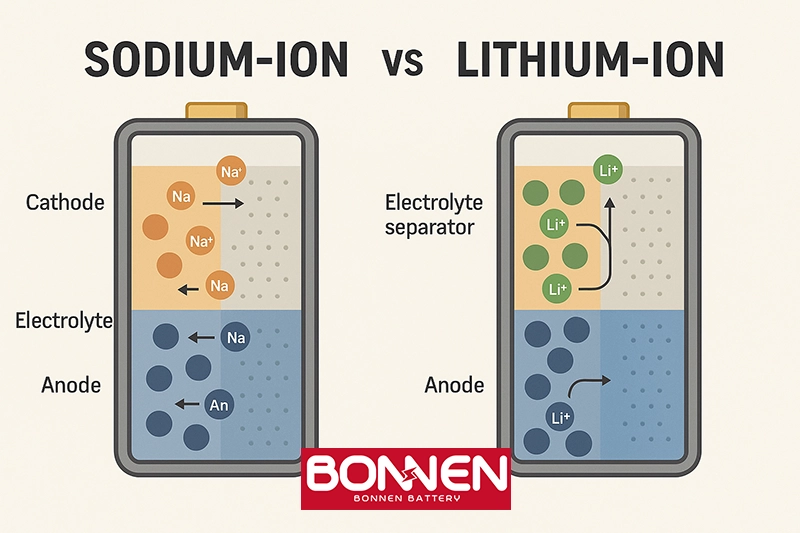
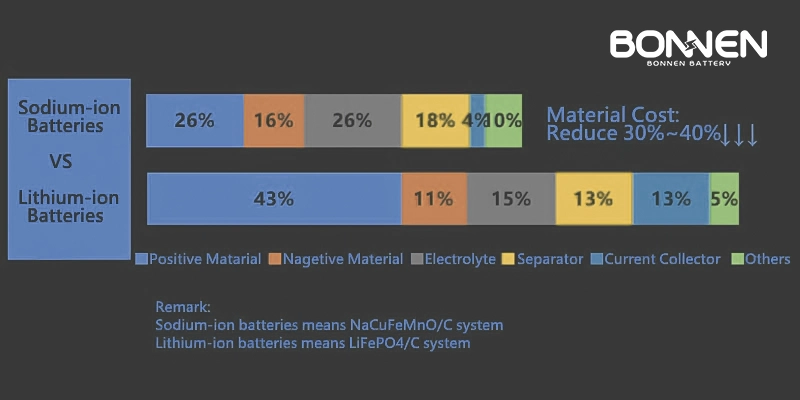
Sodium-ion batteries share a similar structure with their lithium-ion counterparts, including a cathode, anode, electrolyte, and separator. However, the cathode material in sodium-ion batteries is sodium-based, often using compounds like sodium iron phosphate or Prussian white, which are cheaper and more abundant compared to lithium-based materials such as NMC or LFP used in lithium-ion batteries.
In theory, sodium (from salt) should be super abundant and cheap. Lithium, by contrast, is rare and pricey. When producing actual battery cells, a lithium-ion cell ⇱ might cost around $80 per kWh of energy. Theoretically, sodium battery costs ⇱ should be much lower than lithium’s. However, as of 2026, due to the lack of large-scale production, the price of sodium-ion batteries is roughly on par with lithium-ion cells. In the coming years, as sodium battery production scales up, the cost is expected to drop significantly (about $42 per kWh of energy).
Another way to compare to lithium ion batteries: Sodium makes up about 2.6% of Earth’s crust, while lithium is only around 0.0017%. Sodium is literally everywhere (sea salt, for example), so its supply chain is more secure and its price is stable. Lithium is more limited, often coming from a few countries in South America, Australia, or China, which can drive up prices and geopolitical dependence.
We can break down the cost differences in a table:
| Cost Factor | Lithium-ion cell | Sodium-ion cell |
| Raw material cost (carbonate) | ~$10,000–$11,000/ton | ~$600–$650/ton |
| Production cost | ~$80 per kWh | ~more than $100 per kWh (2026) due to the lack of large-scale production, will drop next few years |
| Abundance | Rare (0.0017% of crust) | Abundant (2.6% of crust) |
| Shipping | Hazardous, expensive to ship (* Subject to UN testing, classification, packaging and documentation requirements) | Safer, cheaper shipping (* Also subject to product-specific UN testing, classification and transport requirements) |
| Recycling | Complex, energy-intensive process | Easier, non-toxic processes |
All these factors add up. As Jean-Marie Tarascon (a battery expert) notes, sodium is “1000 times more abundant than lithium, potentially reducing supply chains and lowering battery costs.” In short, if you care about the future price tag and resource security, sodium-ion has a potential long-term material-cost and supply-diversification advantage, but it does not automatically deliver a lower cell or system price today.
3. Applications
Now, where do we use these batteries? Right now, lithium-ion batteries are everywhere. They power virtually all our consumer gadgets (phones, laptops, tablets, power tools), as well as electric vehicles ⇱ (everything from e-bikes to Teslas) and big grid storage projects. Lithium-ion is the industry standard for high-performance needs because of its high energy density and proven track record.
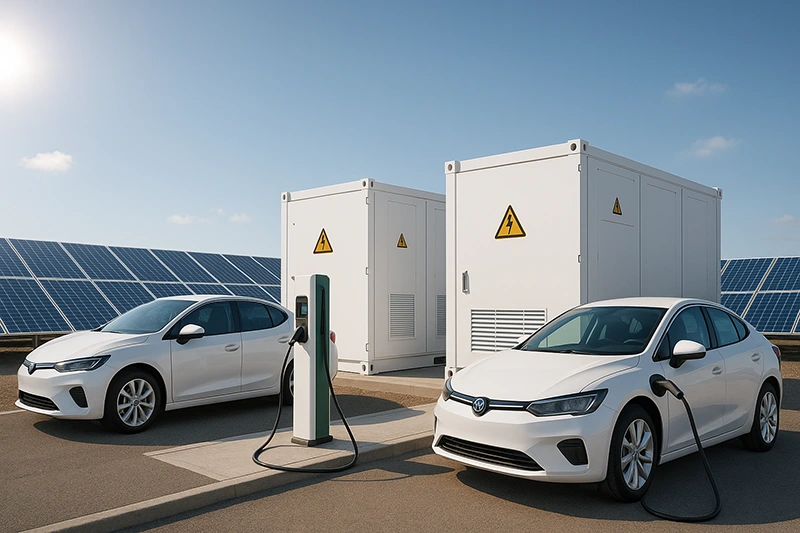
Sodium-ion batteries are newer and still finding their niche. Because they may offer advantages in cold-weather performance, material availability and long-term cost, they are being evaluated for stationary storage ⇱ and selected mobility applications. For example, sodium-ion batteries are being developed for renewable-energy storage, backup power and grid-balancing applications where weight and footprint are less critical. One source notes sodium-ion batteries “make it possible to store renewable energy for homes and businesses, ensuring a balanced supply of every green megawatt generated.”. They can also stabilize smart grids and backup systems, and even support power for data centers or telecom towers.
In transportation, expect sodium-ion to appear in small or budget-friendly EVs first. In China, for example, two new compact electric cars ⇱ (the Yiwei and JMEV models) went into production with sodium-ion packs in 2024. These cars trade off some range for a lower battery cost. Also, some manufacturers are experimenting with hybrid packs: a combo of lithium cells for long-range reserve and sodium cells for quick bursts of power.
Possible applications include:
3.1 Grid and Home Energy Storage
Lithium-ion batteries, particularly Lithium Iron Phosphate (LFP), currently dominate stationary energy storage. According to the International Energy Agency, LFP batteries accounted for around 90% of new battery storage deployments in 2025. Their mature supply chain, established certification pathways, proven cycle life, and broad compatibility with inverters and power conversion systems make them the standard choice for many utility, commercial, industrial, and residential projects.
Sodium-ion batteries are now entering real-world stationary storage applications, especially where system weight is less important and cold-weather performance, material availability, or supply-chain diversification is a priority. One verified example comes from PHENOGY ⇱, which reports the deployment of an approximately 400 kW / 1 MWh sodium-ion battery energy storage system near Bremen, Germany. PHENOGY describes it as the first sodium-ion BESS deployment of its kind in the DACH region. The project demonstrates that sodium-ion technology is moving beyond laboratory testing and into commercial and industrial energy storage environments.
Large battery manufacturers are also preparing for broader commercialization. In June 2026, CATL introduced its TENER Sodium Energy Storage System ⇱, describing it as a field-validated sodium-ion storage solution. CATL stated that customer deliveries in China were scheduled to begin in September 2026, with cumulative shipments expected to reach 1 GWh by the end of 2026. International deliveries were scheduled to begin in June 2027. These announcements indicate growing industrial confidence in sodium-ion storage, although its installed base remains much smaller than that of LFP.
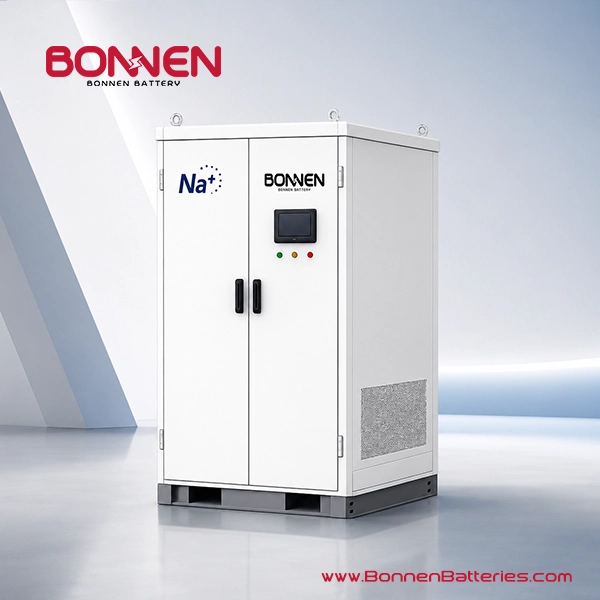
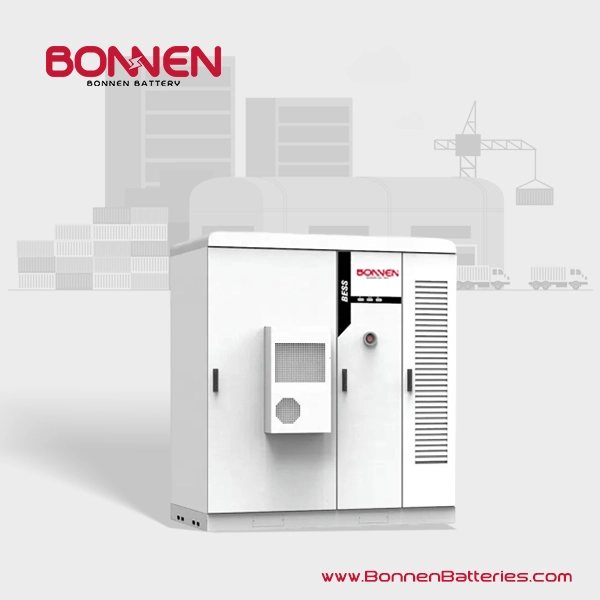
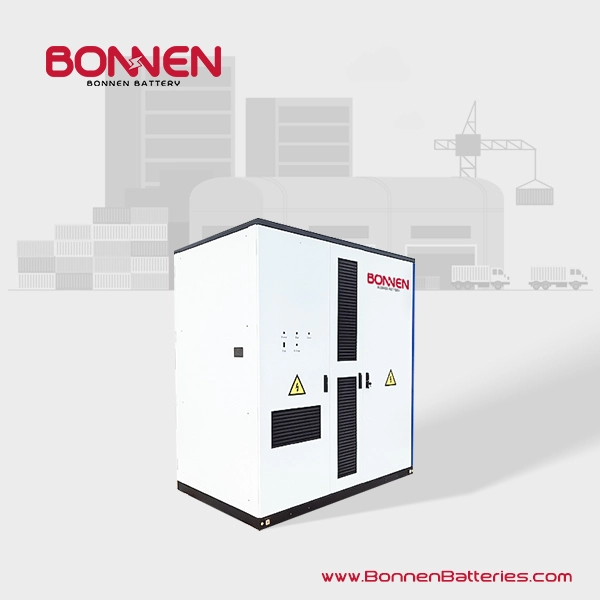
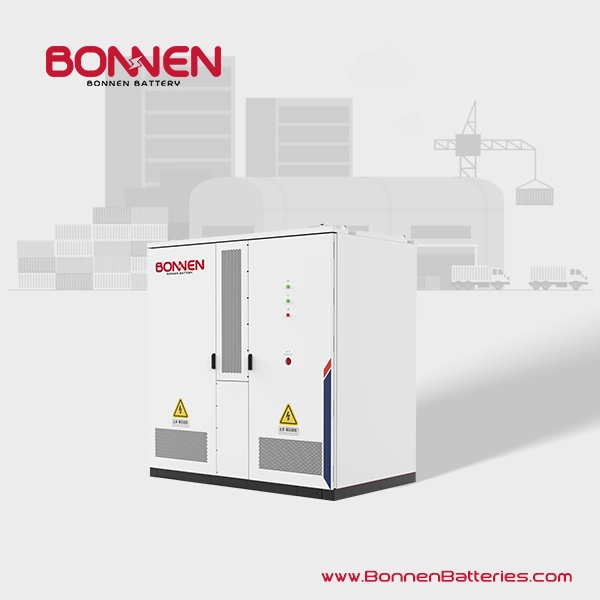
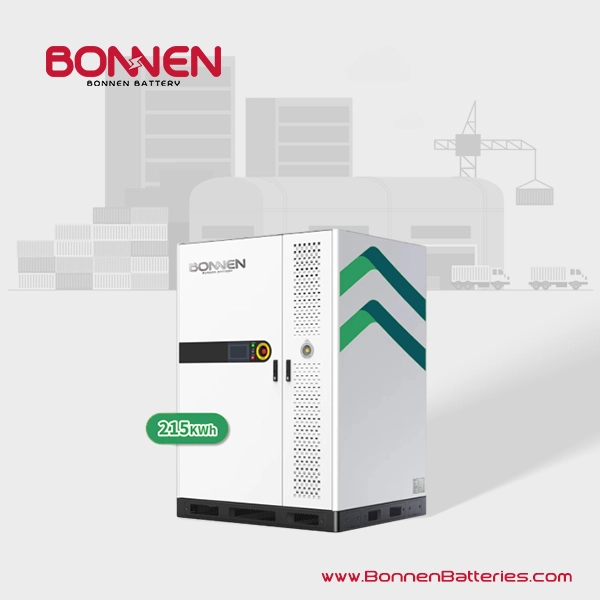
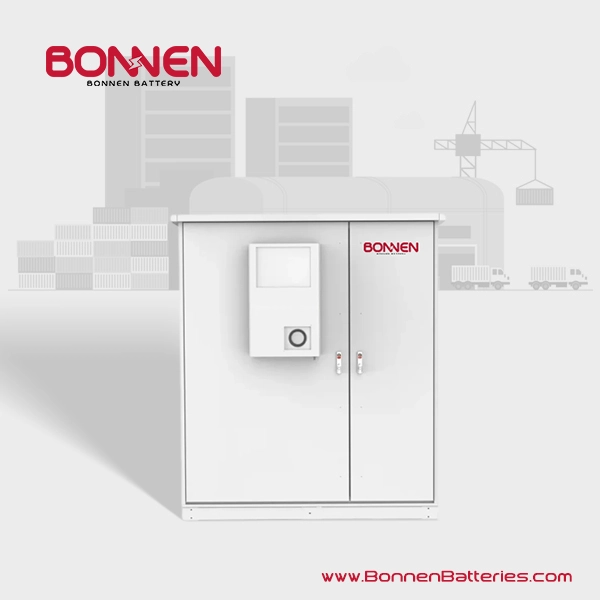
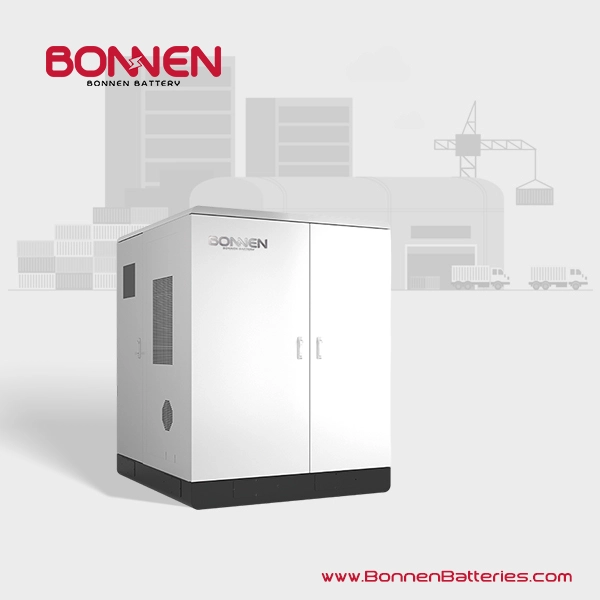
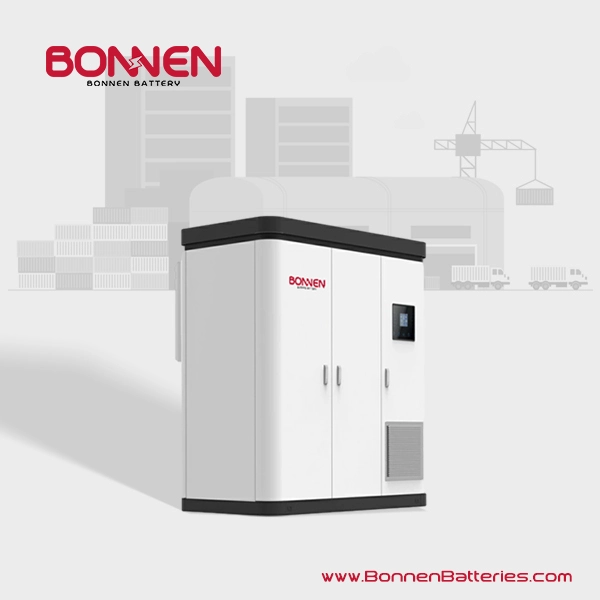
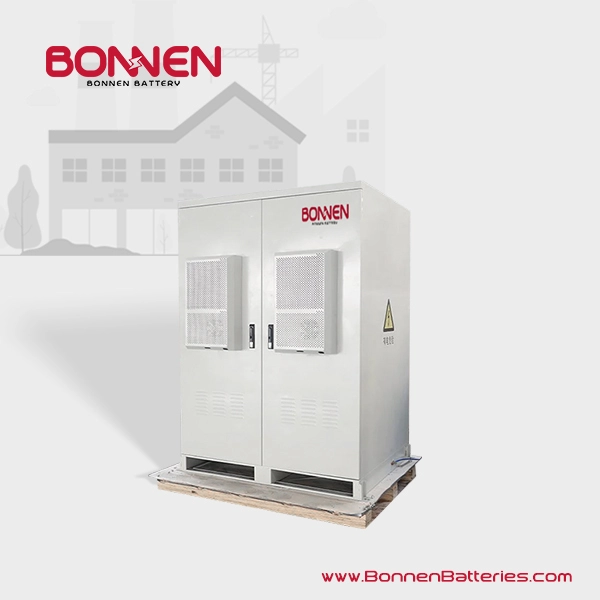
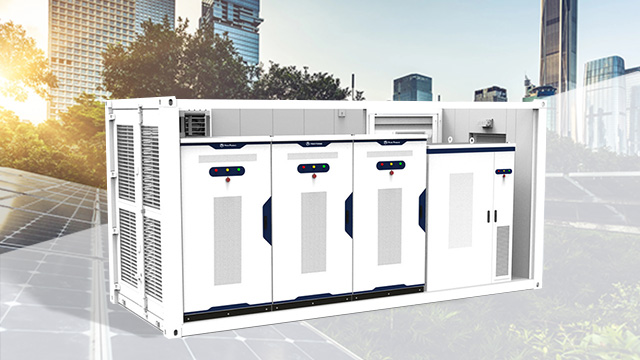
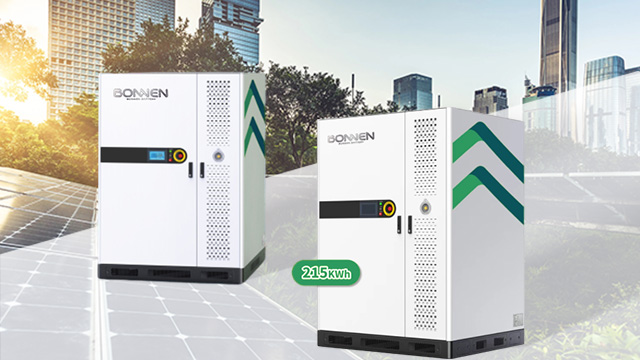
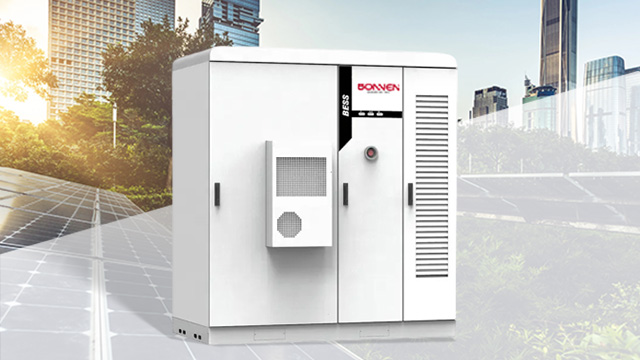
A commercial product example is Bonnen Battery’s 225 kWh Liquid-Cooled Sodium-Ion C&I Battery Energy Storage System ⇱. The outdoor IP65 cabinet combines 225 kWh of nominal battery energy, approximately 204 kWh of usable energy at 90% depth of discharge, a 110 kW PCS, liquid cooling, BMS, EMS, fire protection, and remote monitoring in one integrated system.
The Bonnen system is designed for commercial and industrial applications such as solar energy storage, peak shaving, time-of-use energy management, backup power, EV charging stations, manufacturing facilities, and microgrids. Multiple 225 kWh cabinets can also be coordinated through a site-level EMS to create 450 kWh, 675 kWh, 900 kWh, or larger energy storage systems. This modular structure allows project capacity to expand without changing the internal battery configuration of each cabinet.

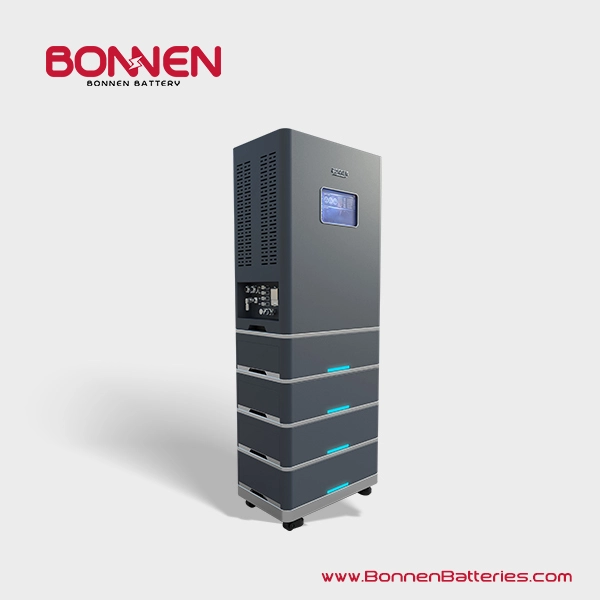
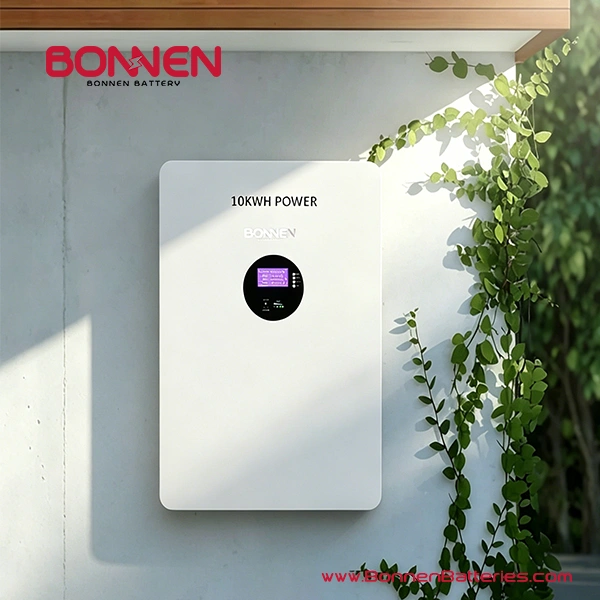
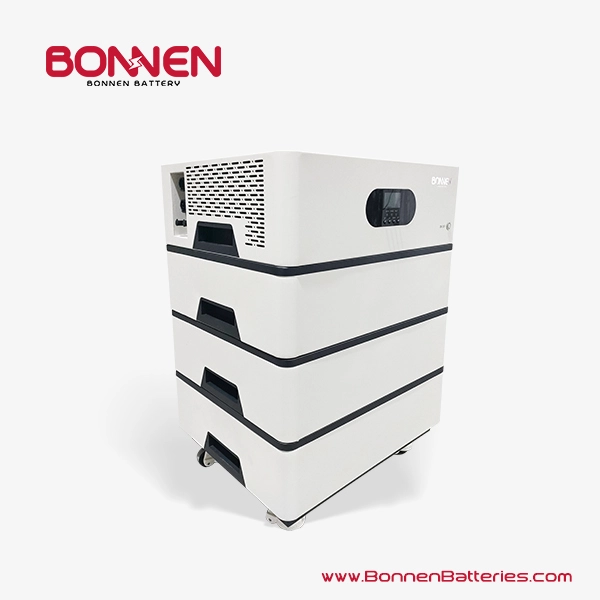
For residential energy storage, LFP remains the more mature and widely available choice today. Sodium-ion could become a useful alternative for home storage, particularly in cold climates, but buyers should verify the complete system rather than selecting it based only on the battery chemistry. Important factors include inverter compatibility, usable energy, system efficiency, installation space, noise, certification, warranty coverage, local approval requirements, and long-term supplier support.
Overall, sodium-ion is becoming a credible option for selected stationary energy storage projects, but it should currently be viewed as a complement to LFP rather than a universal replacement. The best choice depends on the project’s temperature range, available space, required power, operating profile, certification market, and total system cost.
3.2 Telecom & Data Centers
Backup power that’s cheaper and safer.
3.3 Electric Vehicles
Lithium-ion batteries continue to power almost all modern electric vehicles. LFP batteries are widely used in cost-sensitive and standard-range vehicles, while NMC and other nickel-based chemistries remain important where higher energy density, lower battery weight, and longer driving range are priorities. Sodium-ion batteries currently have a smaller automotive market presence, but they are beginning to move from demonstration vehicles into planned mass-production passenger cars.
On February 5, 2026, CATL and CHANGAN announced what they described as the world’s first mass-production sodium-ion passenger vehicle ⇱. The vehicle was scheduled to enter the market by mid-2026 and uses CATL’s Naxtra sodium-ion battery technology. CATL also announced that it would supply sodium-ion batteries across several CHANGAN brands, including AVATR, Deepal, Qiyuan, and UNI.
According to CATL, the Naxtra sodium-ion cell reaches an energy density of up to 175 Wh/kg. Combined with a Cell-to-Pack structure and intelligent BMS, the battery can support a pure-electric driving range of more than 400 km. CATL also reports that the battery retains more than 90% of its capacity at −40°C, provides stable power at temperatures as low as −50°C, and delivers nearly three times the discharge power of an equivalent LFP battery at −30°C.
These characteristics make sodium-ion batteries particularly interesting for compact passenger cars, urban vehicles, delivery fleets, light commercial vehicles, and vehicles operating in extremely cold climates. Strong low-temperature discharge performance can reduce the severe power loss that some battery systems experience during winter operation.
However, sodium-ion batteries still have lower gravimetric and volumetric energy density than many lithium-ion technologies. A sodium-ion battery pack may therefore be larger or heavier than an LFP or NMC pack with the same stored energy. This limits its current advantage in premium vehicles, long-range electric cars, sports vehicles, and applications where every kilogram and every liter of battery space matters.
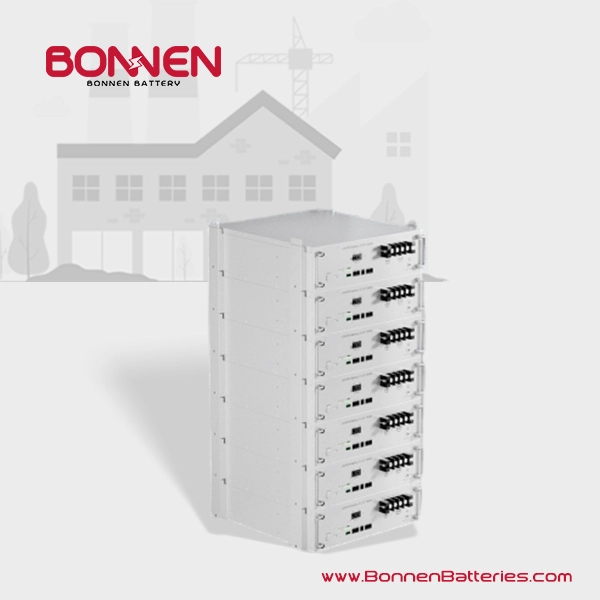
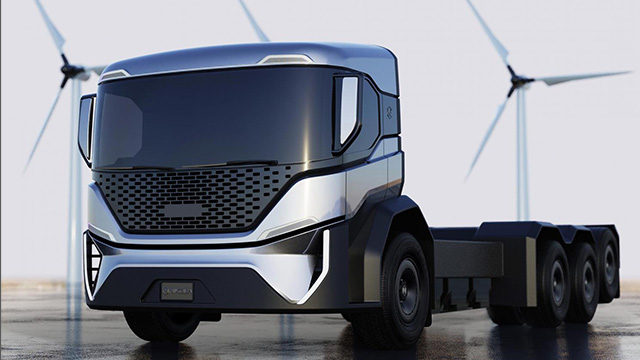
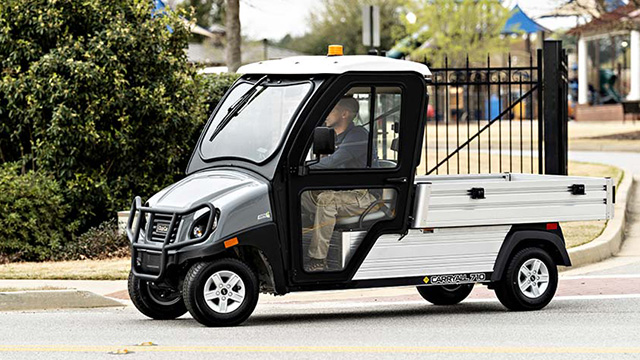
A practical product example is Bonnen Battery’s 96V Sodium-Ion Battery for EVs, Trucks, Tractors, and Transport Vehicles ⇱. The standard configuration has a nominal voltage of 96V, a rated capacity of 160Ah, and approximately 15 kWh of stored energy.

Rather than replacing lithium-ion batteries completely, sodium-ion is more likely to become part of a multi-chemistry vehicle market. LFP can continue serving mainstream and cost-sensitive vehicles, NMC can support high-energy and long-range models, and sodium-ion can serve selected urban, commercial, and cold-climate applications. Vehicle manufacturers may also explore hybrid battery architectures that combine different chemistries to balance driving range, low-temperature power, cost, and supply-chain security.
3.4 Industrial Machines
Forklifts, AGVs and industrial machines may benefit from sodium-ion technology where low-temperature performance, frequent cycling or supply diversification are important, provided that weight, space and charging requirements are met.
3.5 Consumer Electronics and Others
Lithium-ion continues to dominate phones, laptops, power tools, and the like. Sodium-ion has lower voltage and energy density, so it isn’t used in those markets yet. However, Na-ion’s simpler chemistries and better low-temperature operation make it attractive for niche devices (e.g. backup power packs, cold-climate sensors) in the future.
4. Safety & Environmental Impact
Safety is a big concern with batteries. Lithium-ion batteries can overheat and, in rare cases, catch fire or explode (you’ve probably seen those news stories about phones or laptops). The electrolyte in lithium-ion cells is flammable, so if something goes wrong, thermal runaway ⇱ (a chain reaction) can occur.
Sodium-ion batteries are generally safer. Their chemistry is more stable and the materials are less flammable. In fact, one key finding is that sodium-ion cells have a “lower risk of thermal runaway and are non-flammable”, whereas lithium-ion cells have a “medium risk” and are flammable. In practice, this means a damaged or overheated sodium-ion battery is less likely to burst into flames. That peace of mind can be valuable, especially for large-scale or indoor storage where safety is paramount.
On the environmental side, sodium-ion batteries have some advantages too. Mining and refining lithium often require a lot of water and energy. For example, lithium extraction in South America can use tens of thousands of gallons of water per ton of lithium, which stresses local ecosystems. A comparison table from a battery industry site notes that lithium mining ⇱ has “intensive water use” and “potential habitat disruption,” while sodium extraction is “less intense” and involves a “simpler extraction process.” Since sodium (salt) is essentially everywhere, mining it is much easier on the environment.
Also, recycling differs. Lithium batteries (NMC) contain things like cobalt and are toxic, making recycling complex and energy-intensive. Sodium-ion batteries use more benign materials (salt, iron, carbon). As a result, they have a “higher potential for non-toxic recycling”, meaning the leftover materials are less hazardous and easier to reuse.
That said, one recent life-cycle study notes sodium-ion batteries currently have higher CO₂ emissions per kWh of storage than lithium-ion. Why? Because you need more battery mass for the same energy, so the overall production impact is higher for now. However, experts believe this will improve as the technology matures. In fact, physics research suggests that the climate impact of sodium-ion could rival lithium-ion as production scales up, since sodium is so abundant.
In summary, sodium-ion batteries tend to be safer (less fire risk) and easier/greener to mine and recycle, but current battery manufacturing might emit a bit more CO₂ per kWh than Li-ion. These trade-offs are part of why many folks say sodium-ion is a greener alternative that’s still improving.
5. Strategic Positioning
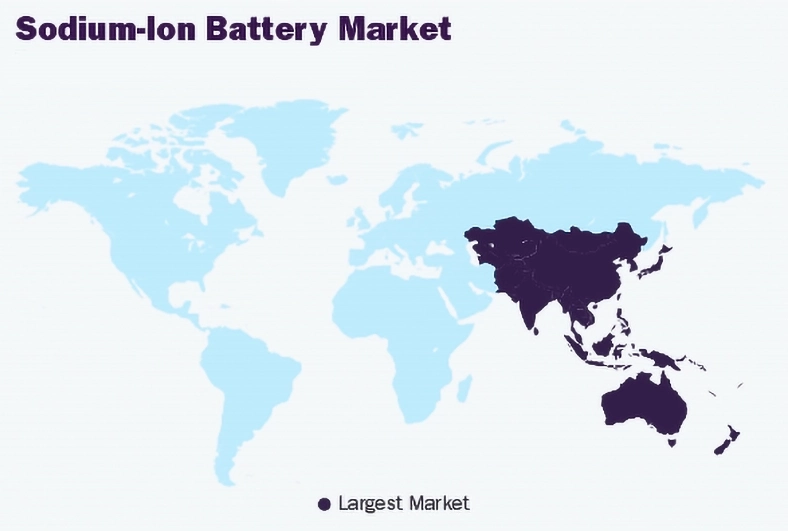
What does the big picture look like? Right now, lithium-ion ⇱ rules the market. Big manufacturers (especially in China) dominate Li-ion. For instance, CATL (a Chinese battery giant) holds about 35% of the global market, followed by others like BYD and LG. Most electric cars and gadgets use Li-ion chemistry. Lithium-ion batteries represent the overwhelming majority of the global battery market in 2025 — commonly estimated at well above 99 % ⇱ of total battery production and sales.
Sodium-ion is just getting started but gaining attention, especially with the development of sodium ion batteries accelerating. Chinese firms lead the charge here too. In April 2025, CATL announced a new sodium-ion battery brand called Naxtra ⇱, planning mass production by the end of 2025. Their next-gen sodium battery hits 175 Wh/kg energy density – almost on par with existing lithium iron phosphate (LFP) batteries. CATL’s founder even said he thinks sodium-ion could “replace up to half” of the lithium iron phosphate market in the future. CATL has continued scaling its Naxtra sodium-ion platform and stated in April 2026 that full-scale production is planned by the end of 2026.
As of 2026, according to the IEA ⇱, current sodium-ion cell manufacturing capacity is only slightly above 1% of lithium-ion cell capacity. This shows that sodium-ion is entering the scale-up phase but still has a much smaller supply base.
Another factor: geopolitics and supply chains. Lithium and its raw materials are concentrated in a few countries (China, Australia, Chile, etc.). Sodium, on the other hand, is available worldwide (salt is everywhere). Some countries see sodium-ion as a way to reduce dependence on imported lithium and improve energy security. For example, the main supplier of sodium carbonate is the U.S., which could boost local battery manufacturing independence.
In summary, lithium-ion batteries remain the workhorse for high-end applications today, with huge factories churning them out. Sodium-ion batteries are the up-and-comer aiming to grab market share in cost-sensitive areas (like grid power) and to balance the supply chain. Many experts think the two will coexist. In fact, some companies are already building battery packs that hybridize both: lithium cells for energy reserve and sodium cells for quick charging bursts.
–
6. FAQ
1. What exactly is a sodium-ion battery, and how does it differ from lithium-ion?
A sodium-ion battery is a type of rechargeable battery that uses sodium ions ($Na^+$) as charge carriers instead of lithium ions ($Li^+$). While both share a similar “rocking-chair” architecture—moving ions between an anode and a cathode—the primary difference lies in the abundance of the raw material: sodium is the sixth most abundant element on Earth, making it a sustainable and low-cost alternative to scarce lithium.
2. Which battery has a higher energy density, sodium or lithium?
Lithium-ion batteries currently hold the lead in energy density, typically ranging from 150–210 Wh/kg (LiFePo4 lithium) and 240–300 Wh/kg (NMC lithium). In contrast, sodium-ion batteries generally offer between 100 and 175 Wh/kg. This means that for the same weight, a lithium-ion battery will store roughly 30% to 50% more energy, making it the preferred choice for long-range electric vehicles and high-end electronics.
3. Is sodium-ion really cheaper than lithium-ion?
Not necessarily today. Sodium-ion batteries use abundant materials and may achieve lower production costs at scale, but current pricing depends on manufacturing volume, supplier capacity, cell design and system requirements. Mature LFP cells can still be highly cost-competitive because their supply chain and production processes are already optimized.
4. How do sodium-ion batteries perform in extremely cold weather?
Sodium-ion batteries can offer stronger low-temperature performance than LFP batteries. Some recent designs report high capacity retention at temperatures below −20°C, but the result is cell-specific. Buyers should verify the discharge curve, charge limits, heating requirements and available power at the project’s minimum operating temperature.
5. Are sodium-ion batteries safer to transport and use?
Sodium-ion batteries may offer safety advantages in certain cell designs, but transportation requirements depend on the exact product. Sodium-ion cells and batteries are covered by UN testing and dangerous-goods transport provisions.
6. Do sodium-ion batteries charge faster than lithium-ion?
Sodium-ion batteries generally support faster charging rates than standard lithium-ion cells. Most sodium-ion batteries can reach an 80% state of charge (SOC) in just 15 minutes at room temperature. This is significantly faster than the 30 to 60 minutes typically required for many lithium-ion power systems to reach the same level.
7. Will sodium-ion batteries replace lithium-ion in electric cars?
Sodium-ion is not expected to replace lithium-ion entirely but rather to supplement it. While lithium-ion remains the gold standard for high-performance, long-range EVs, sodium-ion is the ideal solution for “budget” or “entry-level” electric vehicles, low-speed EVs, and urban commuting cars where a range of 150–250 miles is sufficient.
8. Can I use sodium-ion batteries for home solar energy storage?
Absolutely. Sodium-ion is a perfect match for stationary energy storage systems (ESS). Because weight is not a primary concern for home batteries, the lower energy density of sodium-ion is offset by its lower cost, longer safety profile, and excellent performance in varied climates.
9. Which battery is more environmentally friendly?
Sodium-ion batteries are considered more eco-friendly because they do not require cobalt or nickel—materials often associated with high environmental and ethical mining costs. By utilizing common salt and aluminum, sodium-ion production has a lower carbon footprint and reduces the industry’s reliance on rare-earth minerals.
10. How many charge cycles can I expect from a sodium-ion battery?
Currently, sodium-ion batteries offer a cycle life of approximately 4,000 to 6,000 cycles. While high-end Lithium Iron Phosphate (LFP) batteries can reach 3,000 to 6,000 cycles, sodium-ion technology is rapidly improving. For most consumer and industrial applications, 3,000 cycles provide a decade of reliable service.
11. Why are sodium-ion batteries heavier if they use the same tech?
The “weight penalty” comes from the physical size of the ions. A sodium ion is about 25% larger and three times heavier than a lithium ion. Consequently, the electrodes must be larger to accommodate these ions, resulting in a physically larger and heavier battery pack for the same amount of energy storage.
12. Can sodium-ion batteries be manufactured on existing production lines?
Yes, one of the greatest advantages of sodium-ion technology is compatibility. It is 90% compatible with existing lithium-ion manufacturing equipment. This means battery manufacturers can switch from lithium to sodium production with minimal capital expenditure, accelerating the time to market.
13. What are the best applications for sodium-ion batteries right now?
Sodium-ion technology is currently best suited for three specific sectors:
• Micro-mobility: Electric bikes, scooters, and three-wheelers.
• Stationary Storage: Solar/wind farm storage and residential backup power.
• Industrial Equipment: Electric forklifts and AGVs operating in cold environments.
14. Are there any downsides to using sodium-ion batteries?
The primary drawback is the lower energy density. If you need the lightest possible battery for a drone or a high-performance smartphone, lithium-ion is still the better choice. Additionally, because the technology is newer, the supply chain for sodium-specific materials is still scaling up compared to the mature lithium market.
15. How do I choose between sodium-ion and lithium-ion for my project?
Start with the application rather than the chemistry. Choose lithium-ion, especially LFP or NMC, when energy density, compact size, mature certification and supply-chain availability are priorities. Consider sodium-ion when cold-weather operation, stationary use or material diversification is important. Final selection should be based on verified cell data, system efficiency, warranty, certification, supplier support and total project cost.
7. Conclusion
So, what’s the bottom line? Sodium-ion and lithium-ion batteries each have their own strengths and niches. Lithium-ion is great when you need maximum energy and range (like long-haul EVs, phones, laptops). Sodium-ion shines when cost, safety, and material abundance are more important (like grid storage, backup power, and smaller EVs).
Importantly, sodium-ion batteries aren’t here to wipe out lithium-ion batteries – they’re here to complement them. Think of sodium-ion as the scrappy, low-cost teammate that handles tasks where it’s a good fit, while lithium-ion remains the star for high performance. As a battery nerd might say: “Lithium-ion currently leads in energy density and cycle life, making it ideal for high-energy applications, but sodium-ion shows promise for its cost advantage and safety.” Over time, improvements in both techs will likely make our devices even better – faster-charging sodium packs, longer-lasting lithium packs, or even blended packs combining both chemistries.
Ready to power up your next project? Whether you’re curious about cutting-edge sodium-ion cells or need reliable lithium-ion batteries, Bonnen Battery has you covered. As an international supplier of all types of batteries, Bonnen Battery (bonnenbatteries.com) offers solutions for every need – from home energy systems to electric vehicles and beyond. Check them out and find the right battery (or battery pack) to keep your world running.
In the end, the battery future is bright – and it’s powered by both lithium and sodium working together!
For commercial, industrial or grid-storage projects, see our detailed Sodium-Ion vs LFP Battery Project Selection Guide.
Contact Bonnen Battery↓ now and let us help you power your adventures with the best in lithium ion technology.
© [Bonnen Battery] and [www.bonnenbatteries.com]. Unauthorized use and/or duplication of this material without express and written permission from this site’s author and/or owner is strictly prohibited. Excerpts and links may be used, provided that full and clear credit is given to [Bonnen Battery] and [www.bonnenbatteries.com] with appropriate and specific direction to the original content.