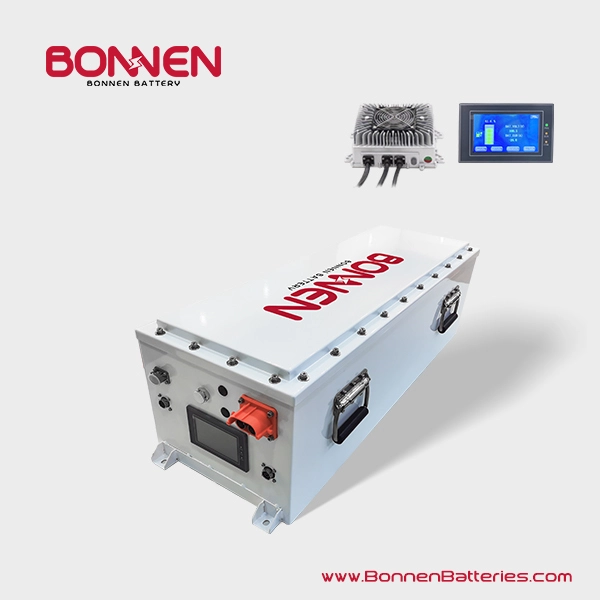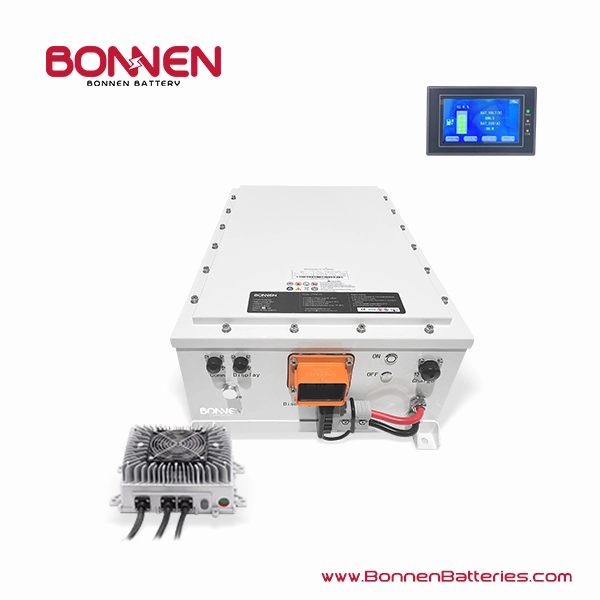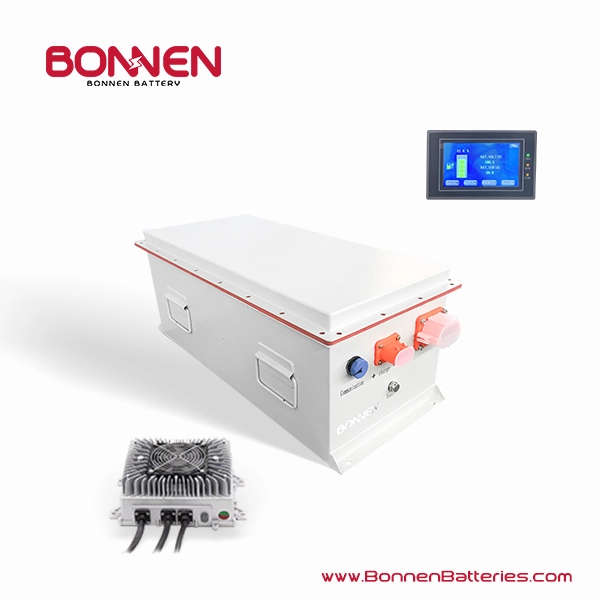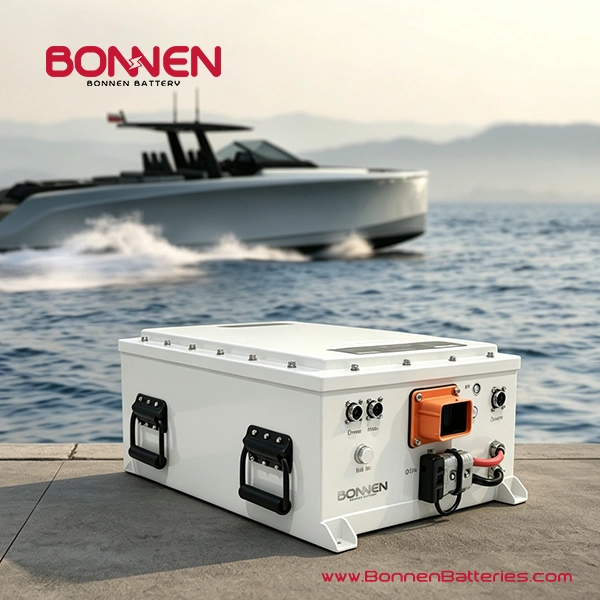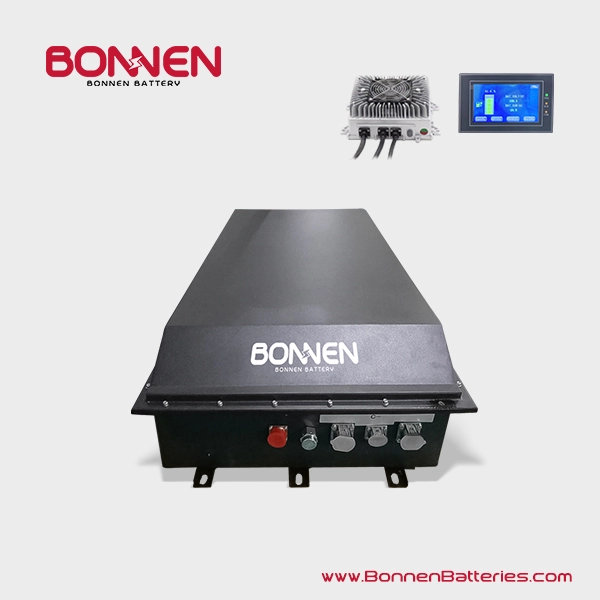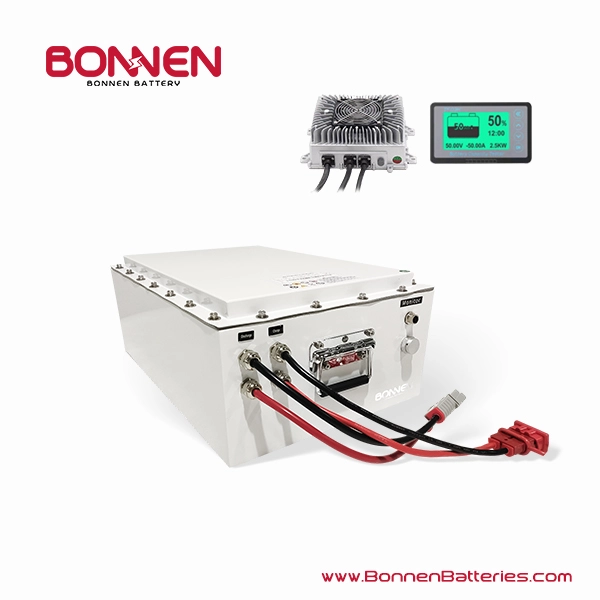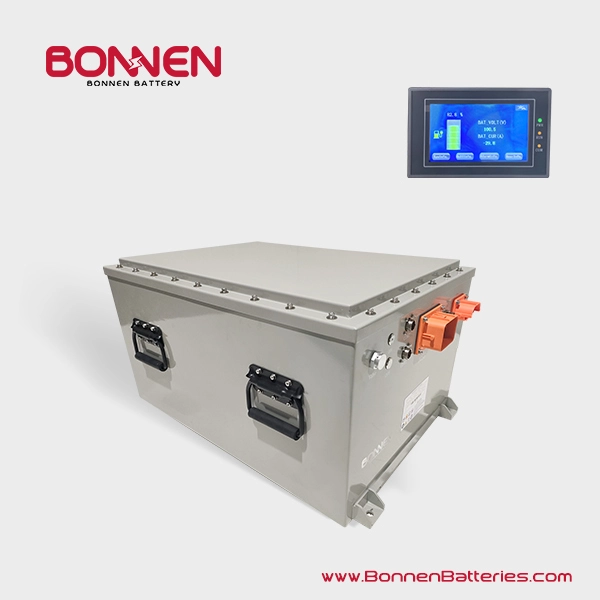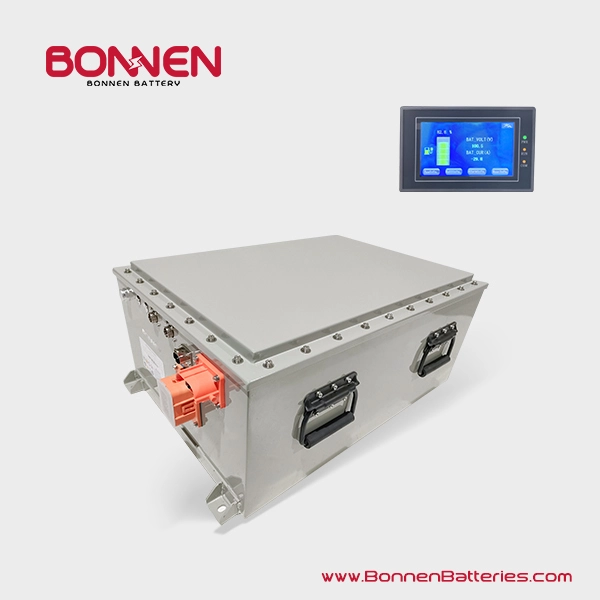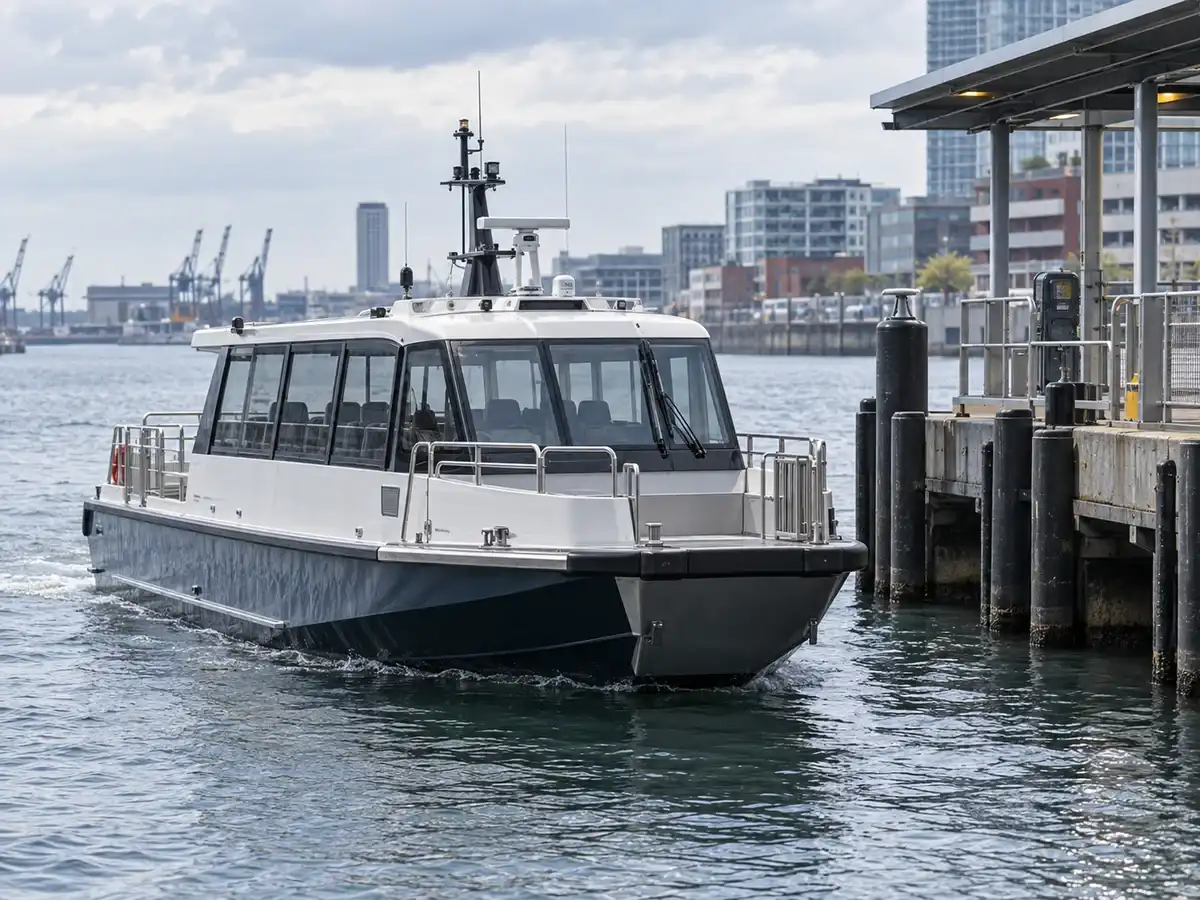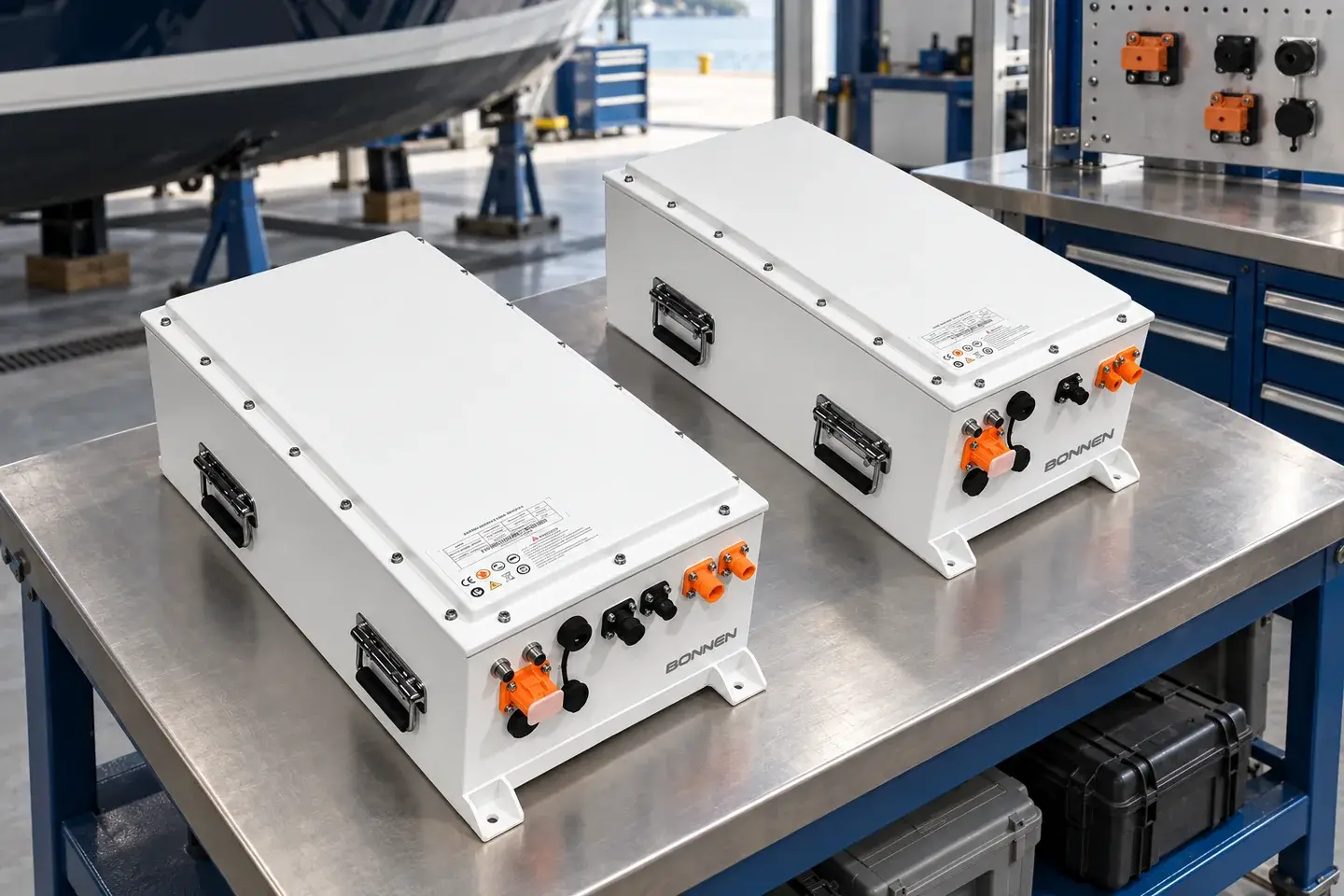
Bonnen 102V twin marine battery system presented beside a modern electric workboat

Marine Electrification / Product Hub

Marine Lithium Battery Systems

Explore LiFePO4 battery systems for electric boats, outboard motors, sailboats, yachts and commercial vessels—from low-voltage onboard power to high-power electric propulsion.

  • Custom Voltage & Capacity
  • LiFePO4 Battery Platforms
  • IP67 Enclosure Options
  • CAN Communication
  • OEM Battery Engineering

Marine Battery Range

Browse Marine Battery Systems

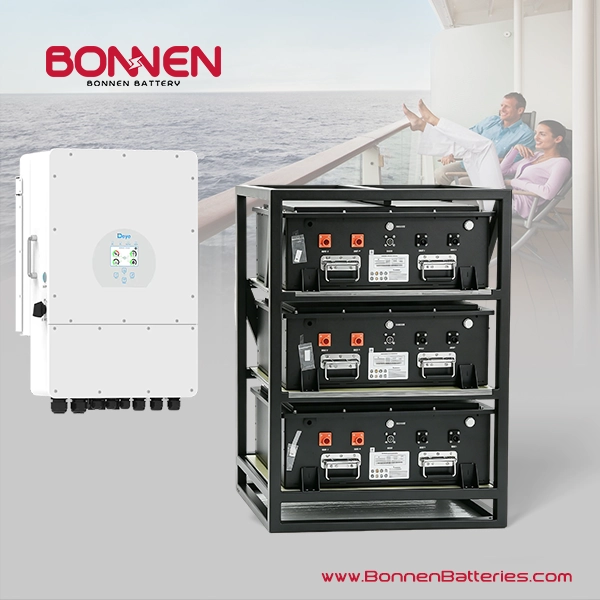
Explore our marine lithium battery platforms for electric propulsion and onboard power. Standard systems can also be adapted for voltage, capacity, discharge power, enclosure dimensions, BMS and communication requirements.
Can’t Find the Exact Marine Battery?

Marine battery systems often need to match a specific motor voltage, continuous and peak power, available installation space, required runtime and charging system. Bonnen can adapt an existing platform or develop a custom battery system around your marine application.

Discuss Your Marine Battery Requirements

Marine Applications

Built for Different Marine Applications

Battery architecture should reflect the propulsion system, vessel layout, operating profile and charging method—not voltage and capacity alone.

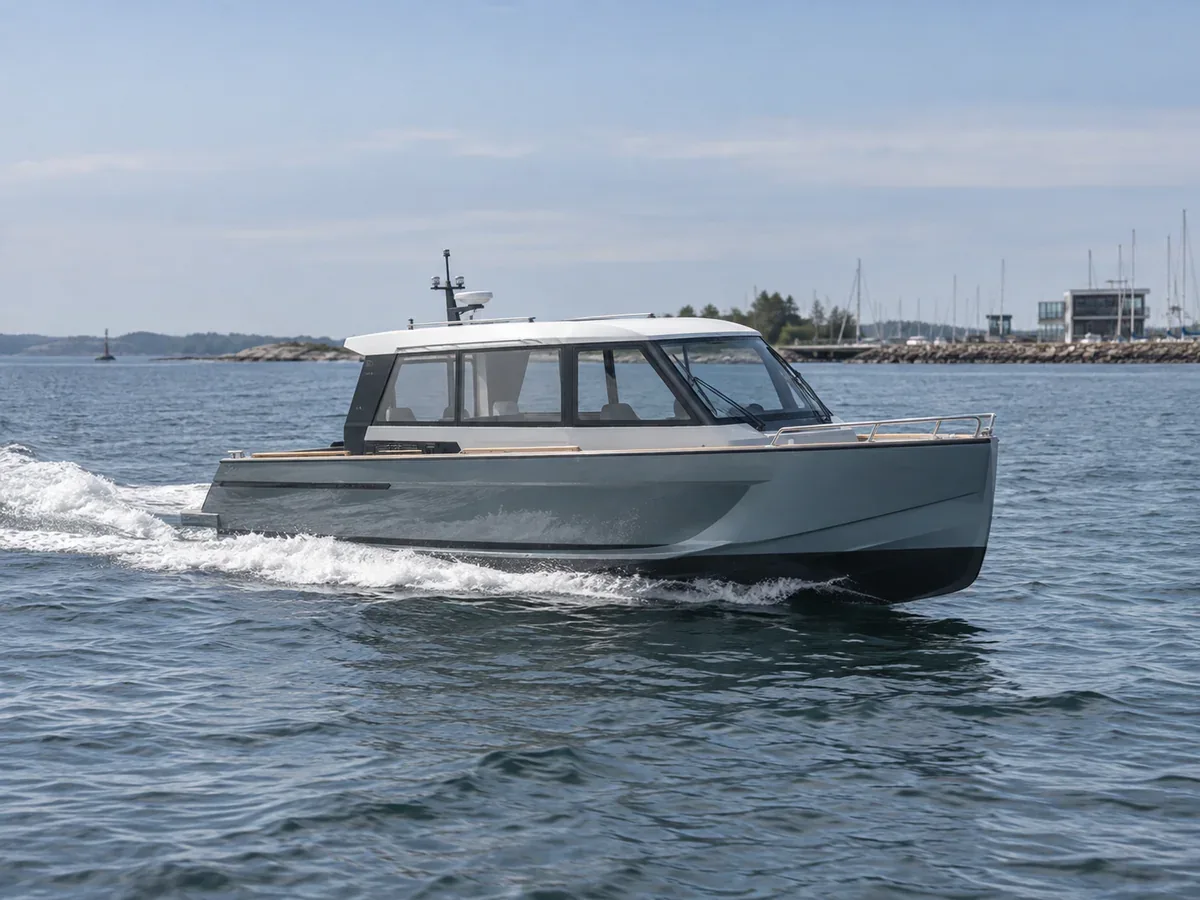
Modern electric inboard boat underway near a technical marina

Electric Propulsion

High-discharge battery systems for electric inboard motors and integrated propulsion platforms.

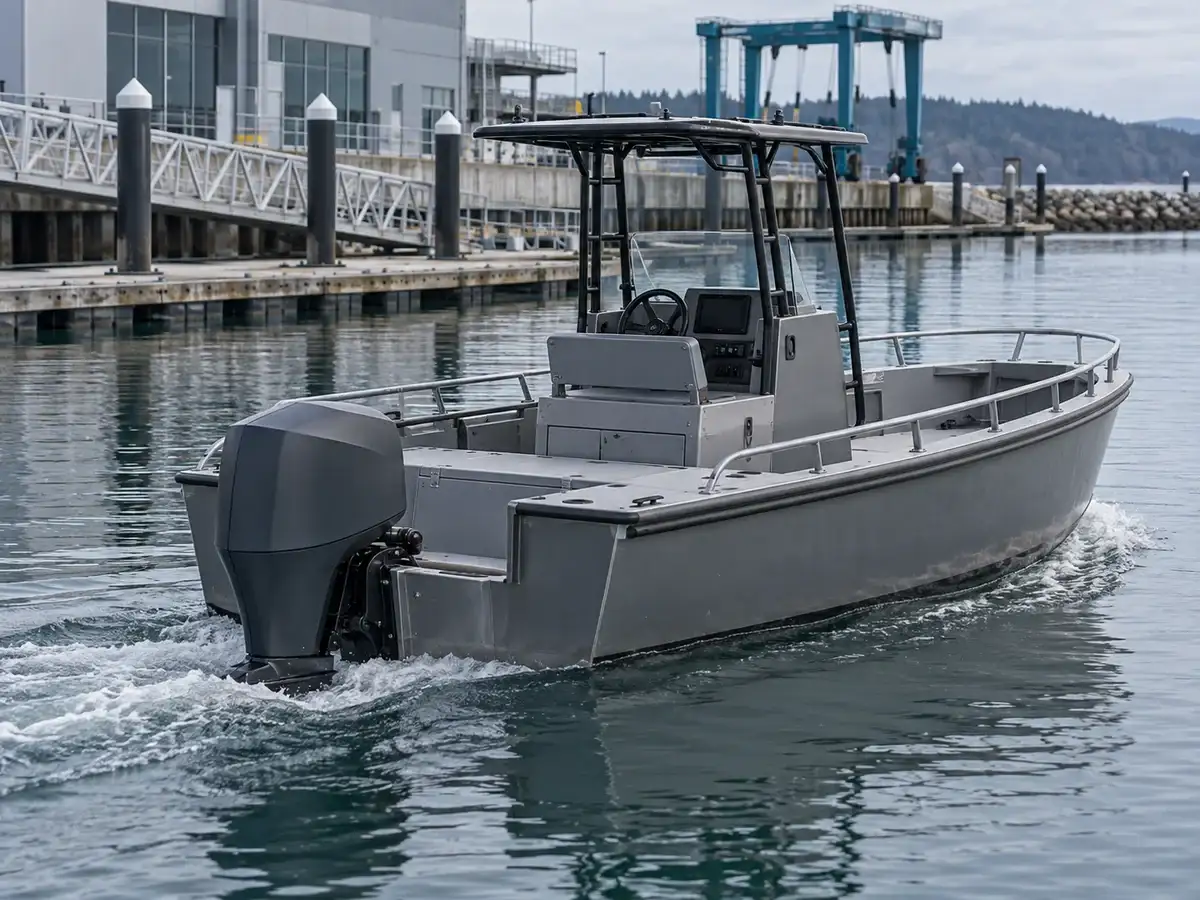
Utility boat powered by an unbranded electric outboard motor

Electric Outboard Motors

Battery platforms matched to outboard voltage, continuous power and peak-current requirements.

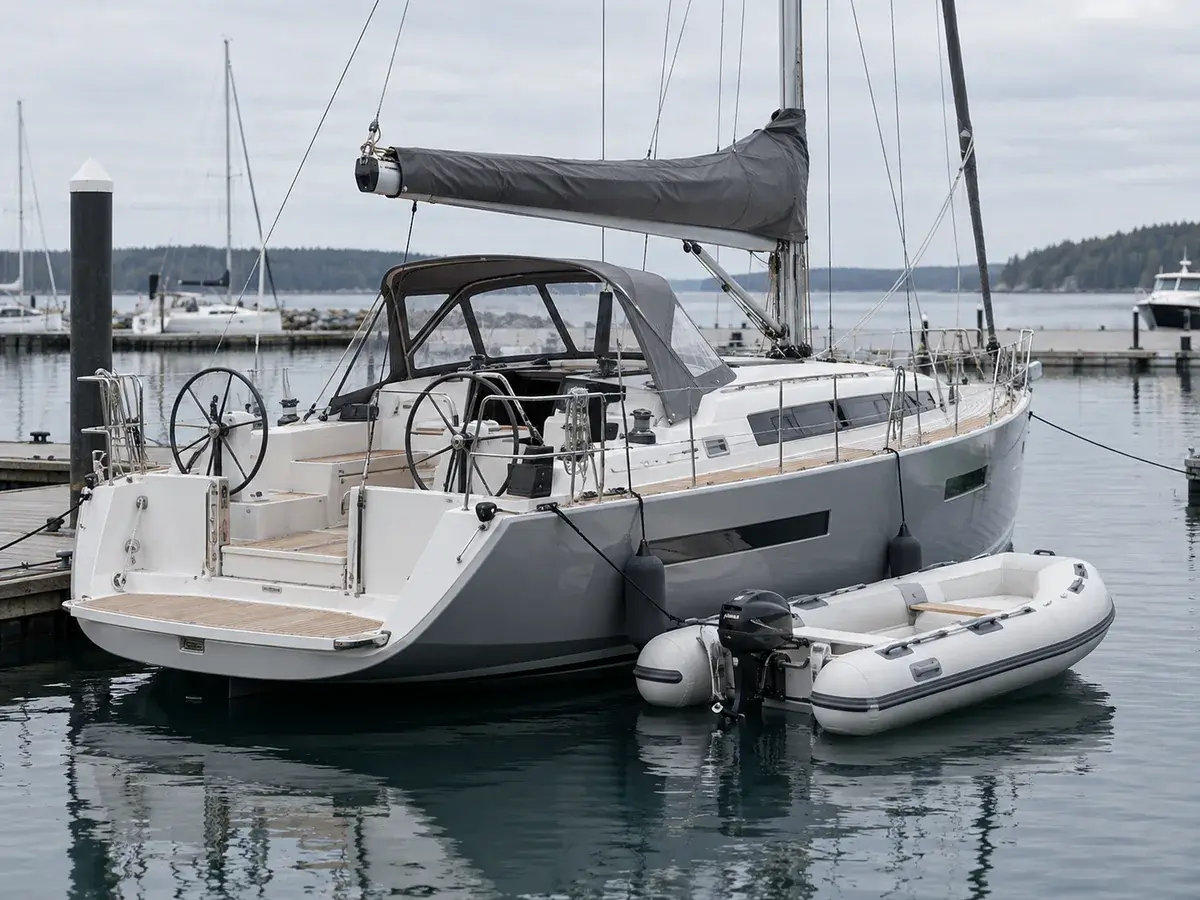
Modern sailboat and tender in a quiet working marina

Sailboats, Yachts & Tenders

Compact marine battery configurations where installation space, weight and dependable operation matter.

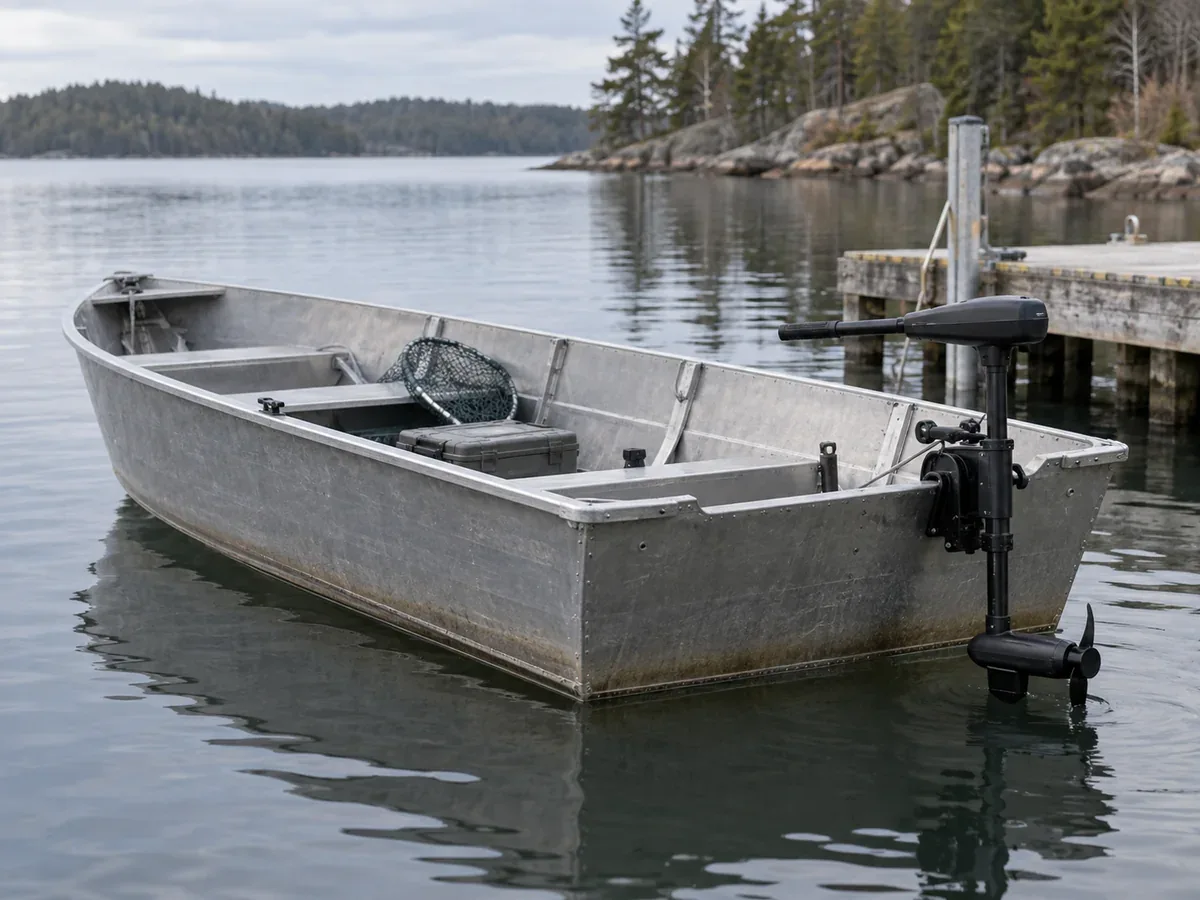
Aluminum utility boat with an electric trolling motor at a quiet dock

Trolling & Auxiliary Power

Low-voltage battery systems for trolling motors, onboard equipment and auxiliary electrical loads.

Commercial water taxi approaching an urban harbor pier

Commercial & Workboats

Scalable battery solutions for passenger boats, water taxis, workboats and specialized commercial vessels.

Start With What You Know

What We Need to Size Your Marine Battery

You do not need to have a complete battery specification before contacting us. Start with the information already available for your boat, motor or propulsion system.

Start With Your Project Requirements
01 / INPUT

Motor Voltage

Nominal operating voltage or an existing system voltage.

02 / INPUT

Motor Power

Rated power, peak power and available current information.

03 / INPUT

Required Runtime

Expected operating hours, cruising range or daily duty cycle.

04 / INPUT

Installation Space

Available length, width, height and preferred mounting position.

05 / INPUT

Charging Method

Shore power, onboard charger, DC charging or generator integration.

06 / INPUT

Communication

CAN, RS485, display, digital I/O or other system interfaces.

Marine Battery Engineering

Engineering Beyond Voltage and Capacity

A marine propulsion battery is evaluated as part of the vessel’s electrical, mechanical and communication architecture. Final configuration remains subject to project requirements and engineering confirmation.

Bonnen 51.2V twin marine battery system presented in a marine engineering workshop

Power & BMS

Continuous current, peak discharge, protection logic and communication are matched to the propulsion system.

Marine Enclosure

Mechanical layout, sealing, connectors, service access and mounting points are evaluated around the installation environment.

Thermal Management

Passive, air or liquid-cooling strategies can be assessed according to system power, space and operating conditions.

System Integration

Battery, charger, contactors, display, CAN communication and high-voltage components are considered as one system.

Related Resources

Continue Your Marine Battery Research

FAQs About Marine Lithium Battery Systems

Practical answers for boat builders, electric propulsion projects and vessel operators selecting LiFePO4 battery systems for electric boats, outboard motors, sailboats, yachts, workboats and commercial vessels.

The correct battery voltage should match the motor, controller and propulsion architecture. Smaller electric boats often use 48V systems, while higher-power applications may use 72V, 96V, 102V or high-voltage battery systems. Motor rated power, peak power, maximum current, charging system and required runtime should all be considered before selecting the final battery voltage.

Battery sizing should consider both motor power and required operating time. A simple starting point is battery energy in kWh = average operating power × operating hours. However, actual sizing should also consider cruising power, peak current, usable battery capacity, system efficiency, reserve energy, vessel weight, hull type and expected operating conditions.

Higher battery voltage allows the same propulsion power to be delivered with lower current. 48V systems are commonly used for smaller electric boats, while 72V and 96V systems are suitable for higher-power propulsion. The best voltage depends on the motor controller, required continuous and peak power, installation layout, cable sizing and charging system.

Yes. LiFePO4 batteries are widely used for electric boats because of their cycle life, thermal stability and power capability. However, a complete marine battery system also requires a suitable BMS, enclosure, connectors, communication, protection and charging system. Mechanical installation, moisture protection and vibration resistance should also be considered.

High-voltage battery systems are usually considered when propulsion power becomes too high for practical 48V, 72V or 96V architectures. Higher voltage reduces current for the same power level. Larger electric boats, passenger vessels and commercial propulsion systems may use several hundred volts together with master BMS, contactors, pre-charge circuits and high-voltage protection components.

Yes. We can customize battery voltage, capacity, discharge current, enclosure dimensions, mounting points, connectors, BMS, CAN communication and charging interfaces according to the vessel and propulsion system. If an existing battery platform is close to your requirements, it may also be adapted to reduce development work and project lead time.

The most useful information includes motor voltage, rated and peak power, maximum current, desired runtime or range, available battery installation space and charging method. If available, you can also provide motor controller specifications, CAN protocol, charger details and battery compartment CAD or STEP files. Incomplete project information is also acceptable at the initial stage.

IP67 means the battery enclosure provides strong protection against dust and temporary water ingress under defined test conditions. For marine applications, enclosure design should also consider corrosion resistance, connector sealing, cable glands, condensation, pressure equalization, vibration and mounting strength. The required protection level depends on where and how the battery is installed on the vessel.

Marine battery systems commonly use CAN communication to exchange battery voltage, current, state of charge, temperature, alarms and charge or discharge limits. However, CAN compatibility depends on the communication protocol, message IDs and control logic. Providing controller and charger communication documents helps ensure correct integration during battery system development.

The charger should match the battery chemistry, system voltage, maximum charging voltage and allowable charging current. Charger selection should also consider shore power, desired charging time and communication requirements. Larger marine systems may use onboard AC chargers, DC charging systems or CAN-controlled chargers that communicate directly with the battery BMS.
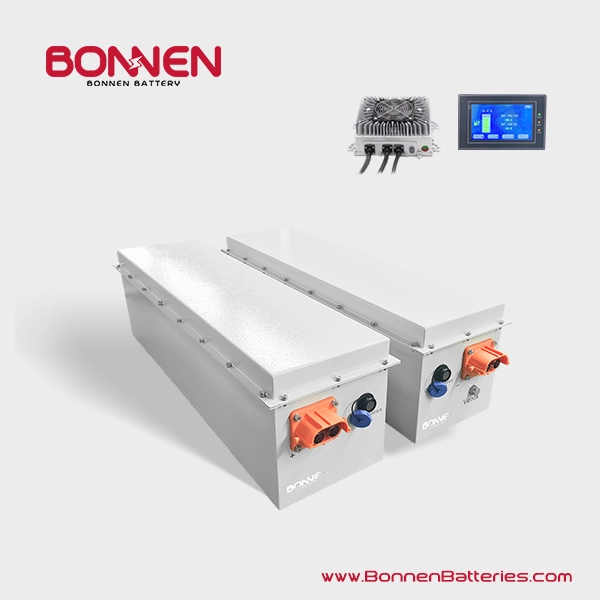
Yes, but only when the battery and BMS architecture are designed for that configuration. Parallel systems can increase capacity, while series systems increase voltage. Current sharing, balancing, fusing, contactor control and communication must all be considered. Larger propulsion systems often use multiple battery modules managed by a master-slave BMS rather than simple independent battery connections.

Battery life depends on cell quality, depth of discharge, charge and discharge rates, operating temperature, charging strategy and daily duty cycle. A correctly sized battery usually experiences less stress than an undersized system operating near its limits. For commercial vessels, expected daily operating hours and required service life should be considered during the initial battery sizing process.

Planning a Marine Battery Project?

Share your motor voltage and power, available installation space, required runtime, charging method and communication requirements. Our engineering team can help evaluate a suitable battery architecture.
Request a Marine Battery Proposal